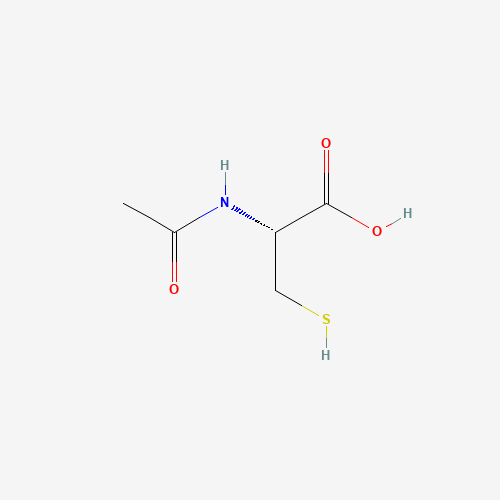
Acetyl Cysteine
AKA “N-Acetyl-L-cysteine, acetylcysteine, 616-91-1, N-Acetylcysteine, mercapturic acid, Acetadote, L-Acetylcysteine, Fluimucetin, Respaire, N-Acetyl cysteine”
Antioxidant
Ingredient Facts
Acetyl cysteine
AKA: N-Acetyl-L-cysteine, Acetylcysteine, 616-91-1, N-Acetylcysteine, Mercapturic acid, Acetadote, L-Acetylcysteine, Fluimucetin, Respaire, N-Acetyl cysteine
Antioxidant · Antioxidant · EWG: 1
Synthetic
Antioxidant
Skin Conditioner
Amino Acid
Clean
Acetylcysteine is a synthetic N-acetyl derivative and prodrug of the endogenous amino acid L-cysteine, a precursor of the antioxidant glutathione (GSH), with mucolytic, antioxidant, and potential cytoprotective, cancer-preventive, and anti-inflammatory activities. Upon administration, acetylcysteine exerts its mucolytic activity by reducing disulfide bonds in mucoproteins, resulting in liquification of mucus and reducing its viscosity. It is also used for the treatment of acetaminophen overdose as it can restore the depleted GSH reserves in the hepatocytes during the process of detoxification. The antioxidant activity is attributed to the ability of GSH to scavenge reactive oxygen species (ROS), thereby preventing ROS-mediated cell damage, decreasing oxidative stress, protecting cells against the damaging effects of free radicals and preventing apoptosis in these cells. In addition, this may inhibit tumor cell proliferation, progression and survival, in susceptible tumor cells that r
Solubility 1 G IN 5 ML WATER, 4 ML ALC; PRACTICALLY INSOL IN CHLOROFORM & ETHER
Formula
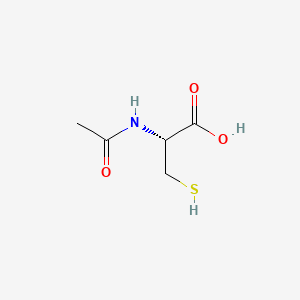
C5H9NO3S
Mol. Weight
163.20
CAS #
616-91-1
Form
Powder
State
Solid
See origin →
Functions
Antioxidant
Fights free radicals — the unstable molecules from UV, pollution, and stress that break down collagen and cause premature aging.
Skin Conditioning
A catch-all term for ingredients that improve how skin looks and feels — softer, smoother, more supple. The workhorse behind most moisturizers.
Locks in moisture
Neutralizes free radicals
Quells irritation
Reduces redness
Reduces swelling
Traditional Use
N-acetyl cysteine was identified in the mid-20th century and introduced to cosmetics for its antioxidant properties and role in supporting skin's natural detoxification.
Skin Types
●all-skin-types, gentle
Best For
Sun Damage
Pregnancy & Breastfeeding Safe
Yes
Verified Jun 2026
Data: PubChem · CosIng · EWG · CIR