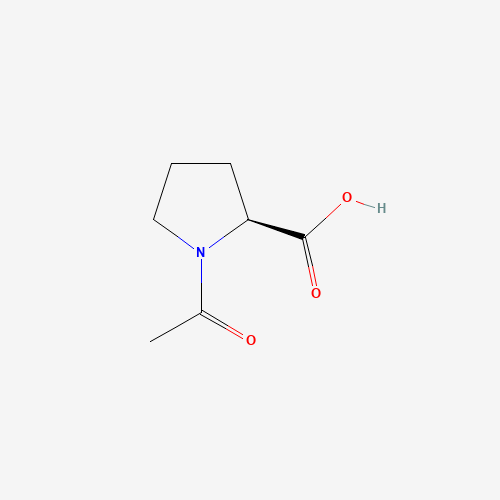
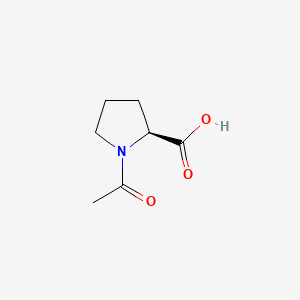
Acetyl Proline
AKA “N-Acetyl-L-proline, 68-95-1, 1-Acetyl-L-proline, (2S)-1-acetylpyrrolidine-2-carboxylic acid, L-Proline, 1-acetyl-, (S)-1-acetylpyrrolidine-2-carboxylic acid, Proline, L-, (s)-n-acetylproline, (S)-(-)-N-acetylproline”
Emollient
Ingredient Facts
Acetyl proline
AKA: N-Acetyl-L-proline, 68-95-1, 1-Acetyl-L-proline, (2S)-1-acetylpyrrolidine-2-carboxylic acid, L-Proline, 1-acetyl-, (S)-1-acetylpyrrolidine-2-carboxylic acid, L-, (s)-n-acetylproline, (S)-(-)-N-acetylproline
Emollient · Emollient · EWG: 4
Synthetic
Emollient
Skin Conditioner
Amino Acid
Not Clean
The panel concluded that the 115 amino acid alkyl amides listed below are safe in the present practices of use and concentration in cosmetics, when formulated to be non-irritating...Acetyl Proline
Solubility >23.6 [ug/mL] (The mean of the results at pH 7.4)
Formula
C7H11NO3
Mol. Weight
157.17
CAS #
68-95-1
Form
Powder
See origin →
Functions
Emollient
Fills in the tiny cracks between skin cells to make everything feel smooth and soft. The "silky finish" ingredient.
Locks In Moisture
Traditional Use
A synthetic acetylated amino acid derivative used in modern skincare formulations. Developed to enhance collagen-related benefits and improve the penetration of amino acid-based skincare products.
Skin Types
●all-skin-types
Best For
Wrinkles
Pregnancy & Breastfeeding Safe
Yes
Acetyl Proline
European Commission
EU Cosmetic Ingredient Database (CosIng)
Lauroyl Proline
European Commission
EU Cosmetic Ingredient Database (CosIng)
Palmitoyl Proline
European Commission
EU Cosmetic Ingredient Database (CosIng)
Proline
European Commission
EU Cosmetic Ingredient Database (CosIng)
Sodium Cocoyl Proline
European Commission
EU Cosmetic Ingredient Database (CosIng)
Palmitoyl Proline
Environmental Working Group (EWG)
EWG Skin Deep Cosmetics Database
Proline
Environmental Working Group (EWG)
EWG Skin Deep Cosmetics Database
Sodium Palmitoyl Proline
Environmental Working Group (EWG)
EWG Skin Deep Cosmetics Database
Verified Jun 2026
Data: PubChem · CosIng · EWG · CIR