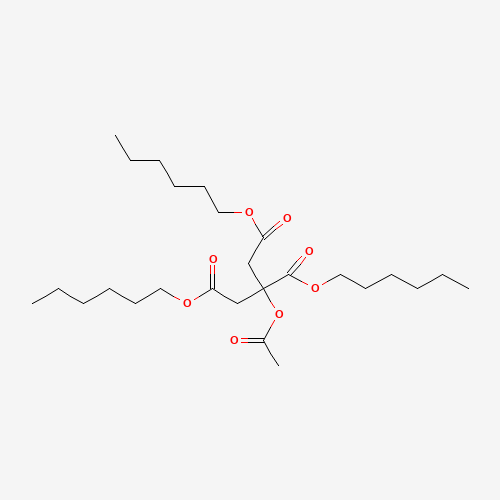
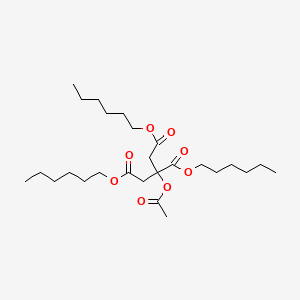
Acetyl Trihexyl Citrate
AKA “24817-92-3, trihexyl acetylcitrate, Z94E579Y3C, DTXSID3051915, RefChem:109076, DTXCID8030477, Trihexyl O-acetylcitrate, 1, 2, 3-Propanetricarboxylic acid, 2-(acetyloxy)-, trihexyl ester, trihexyl 2-acetyloxypropane-1, 3-tricarboxylate”
Emollient
Ingredient Facts
Acetyl trihexyl citrate
AKA: 24817-92-3, Trihexyl acetylcitrate, Z94E579Y3C, DTXSID3051915, RefChem:109076, DTXCID8030477, Trihexyl O-acetylcitrate, 1, 2, 3-Propanetricarboxylic acid, 2-(acetyloxy)-, Trihexyl ester, Trihexyl 2-acetyloxypropane-1, 3-tricarboxylate
Emollient · Antioxidant · EWG: 4
Synthetic
Antioxidant
Emollient
Chelating Agent
Skin Conditioner
Chemical Exfoliant
Not Clean
1,2,3-propanetricarboxylic acid, 2-acetyloxy-, trihexyl ester
Formula
C26H46O8
Mol. Weight
486.60
CAS #
24817-92-3
Form
Liquid
State
Liquid
See origin →
Functions
Antioxidant
Fights free radicals — the unstable molecules from UV, pollution, and stress that break down collagen and cause premature aging.
Chelating
Grabs onto metal ions in water that would destabilize the formula. Keeps your product from going bad or changing color.
Plasticiser
Skin Conditioning
A catch-all term for ingredients that improve how skin looks and feels — softer, smoother, more supple. The workhorse behind most moisturizers.
Emollient
Fills in the tiny cracks between skin cells to make everything feel smooth and soft. The "silky finish" ingredient.
Locks In Moisture
Traditional Use
A synthetic plasticizer and solvent developed for the cosmetics industry in the modern era. Designed to improve texture and stability in cosmetic formulations.
Skin Types
●all-skin-types
Best For
Dryness
Pregnancy & Breastfeeding Safe
Caution
Final Report on the Safety Assessment of Acetyl Triethyl Citrate, Acetyl Tributyl Citrate, Acetyl Trihexyl Citrate, and Acetyl Trioctyl Citrate
Cosmetic Ingredient Review (CIR) Expert Panel
International Journal of Toxicology
Acetyl Trihexyl Citrate
European Commission
EU Cosmetic Ingredient Database (CosIng)
Final report on the safety assessment of acetyl triethyl citrate, acetyl tributyl citrate, acetyl trihexyl citrate, and acetyl trioctyl citrate.
Johnson W Jr
International journal of toxicology, 2002
Final report on the safety assessment of acetyl triethyl citrate, acetyl tributyl citrate, acetyl trihexyl citrate, and acetyl trioctyl citrate.
Johnson W Jr
International journal of toxicology, 2002
Verified Jun 2026
Data: PubChem · CosIng · EWG · CIR