Acetyl Trioctyl Citrate
AKA “RefChem:552468, 144-15-0, Tris(2-ethylhexyl) 2-(acetyloxy)propane-1, 2, 3-tricarboxylate, 1, 3-Propanetricarboxylic acid, 2-(acetyloxy)-, tris(2-ethylhexyl) ester, O-Acetyl tris(2-ethylhexyl)citrate, 150CTM9A3J, tris(2-ethylhexyl) 2-acetyloxypropane-1, Acetyl tris(2-ethylhexyl) citrate, 3-tris(2-ethylhexyl) ester
Ingredient
Ingredient Facts
Acetyl trioctyl citrate
AKA: RefChem:552468, 144-15-0, Tris(2-ethylhexyl) 2-(acetyloxy)propane-1, 2, 3-tricarboxylate, 1, 3-Propanetricarboxylic acid, 2-(acetyloxy)-, Tris(2-ethylhexyl) ester, O-Acetyl tris(2-ethylhexyl)citrate, 150CTM9A3J, Tris(2-ethylhexyl) 2-acetyloxypropane-1, Acetyl tris(2-ethylhexyl) citrate, 3-tris(2-ethylhexyl) ester
Ingredient · Skin Conditioning · EWG: 4
Synthetic
Skin Conditioner
Chemical Exfoliant
Not Clean
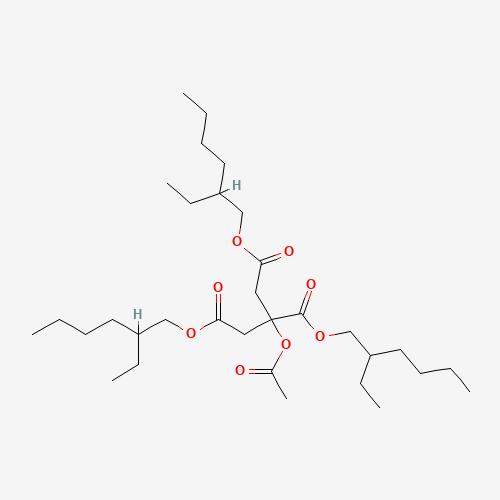
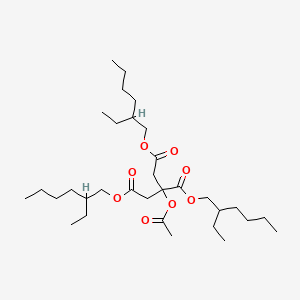
structure in first source
Formula
C32H58O8
Mol. Weight
570.80
CAS #
144-15-0
Form
Liquid
See origin →
Functions
Skin Conditioning
A catch-all term for ingredients that improve how skin looks and feels — softer, smoother, more supple. The workhorse behind most moisturizers.
Emollient
Film Forming
Moisturizing
Antimicrobial
Fights Acne
Hydrates and softens skin
Creates protective moisture barrier
Helps reduce acne
Causing bacteria
Traditional Use
A synthetic ester used as a plasticizer and conditioning agent in cosmetics. Developed to enhance product performance and safety profiles compared to earlier chemical plasticizers.
Skin Types
all-skin-types
Best For
Dryness
Pregnancy & Breastfeeding Safe
Caution
EWG
4
CIR
Safe as used
Pregnancy
Caution
CIR Safety Findings
medical-approval
all-shades-safe
Regulatory Status
USApermitted
EUrestricted
JAPANrestricted
CANADArestricted
Verified Jun 2026
Data: PubChem · CosIng · EWG · CIR