Adenosine Triphosphate
AKA “56-65-5, Triphosphaden, Myotriphos, Triadenyl, Glucobasin, Adetol, Adynol, Atipi, Adephos”
Skin Conditioning
Ingredient Facts
Adenosine triphosphate
AKA: 56-65-5, Triphosphaden, Myotriphos, Triadenyl, Glucobasin, Adetol, Adynol, Atipi, Adephos
Skin Conditioning · Skin Conditioning · EWG: 1
Synthetic
Skin Conditioner
Clean
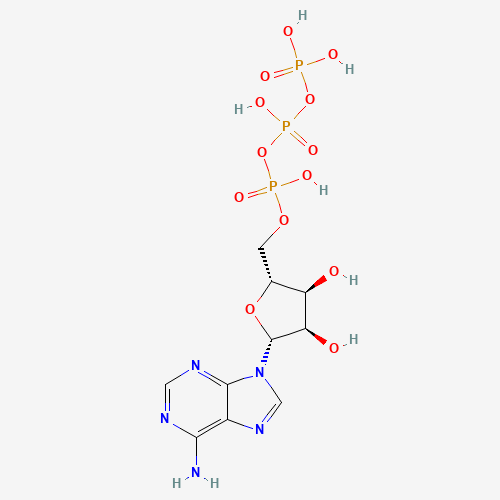
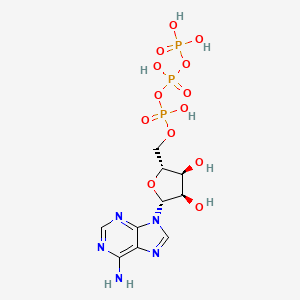
Adenosine triphosphate (ATP) is a nucleotide consisting of a purine base (adenine) attached to the first carbon atom of ribose (a pentose sugar). Three phosphate groups are esterified at the fifth carbon atom of the ribose. ATP is incorporated into nucleic acids by polymerases in the processes of DNA replication and transcription. ATP contributes to cellular energy charge and participates in overall energy balance, maintaining cellular homeostasis. ATP can act as an extracellular signaling molecule via interactions with specific purinergic receptors to mediate a wide variety of processes as diverse as neurotransmission, inflammation, apoptosis, and bone remodelling. Extracellular ATP and its metabolite adenosine have also been shown to exert a variety of effects on nearly every cell type in human skin, and ATP seems to play a direct role in triggering skin inflammatory, regenerative, and fibrotic responses to mechanical injury, an indirect role in melanocyte proliferation and apoptosis
Solubility 1000.0 mg/mL; 862 mg/mL (magnesium salt)
Formula
C10H16N5O13P3
Mol. Weight
507.18
CAS #
56-65-5
Form
Powder
State
Solid
See origin →
Functions
Skin Conditioning
A catch-all term for ingredients that improve how skin looks and feels — softer, smoother, more supple. The workhorse behind most moisturizers.
Accelerates skin healing
Locks in moisture
Traditional Use
ATP was discovered in 1929 as the primary energy currency in cells. Its cosmetic use emerged in the 1990s-2000s based on research suggesting it could boost skin cell energy and improve skin firmness.
Skin Types
●all-skin-types, gentle
Best For
Loss of Elasticity
Pregnancy & Breastfeeding Safe
Yes
Adenosine Triphosphate
European Commission
EU Cosmetic Ingredient Database (CosIng)
Disodium Adenosine Triphosphate
European Commission
EU Cosmetic Ingredient Database (CosIng)
Adenosine Triphosphate
Environmental Working Group (EWG)
EWG Skin Deep Cosmetics Database
Disodium Adenosine Triphosphate
Environmental Working Group (EWG)
EWG Skin Deep Cosmetics Database
Verified Jun 2026
Data: PubChem · CosIng · EWG · CIR