Ammonia
AKA “azane, 7664-41-7, Ammonia gas, Nitro-sil, Ammonia anhydrous, Ammonia, anhydrous, Anhydrous ammonia, Ammoniak, Liquid Ammonia”
Ingredient
Ingredient Facts
Ammonia
AKA: Azane, 7664-41-7, Ammonia gas, Nitro-sil, Ammonia anhydrous, Anhydrous, Anhydrous ammonia, Ammoniak, Liquid Ammonia
Ingredient · Buffering · EWG: 4
Synthetic
Not Clean
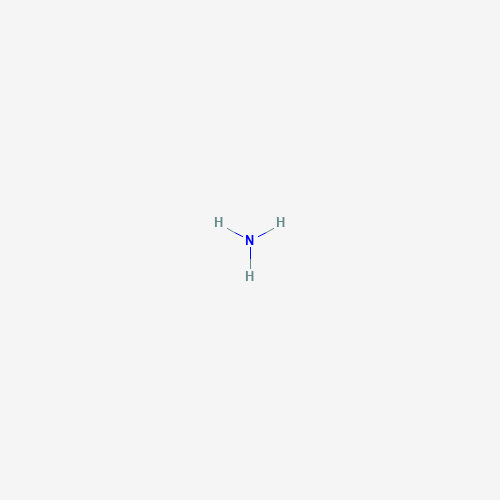
Ammonia is a colorless alkaline gas with a characteristic sharp smell. Ammonia is one of the most abundant nitrogen-containing compounds in the atmosphere. It is an irritant with a characteristic pungent odor, which is widely used in industry. Inasmuch as ammonia is highly soluble in water and, upon inhalation, is deposited in the upper airways, occupational exposures to ammonia have commonly been associated with sinusitis, upper airway irritation, and eye irritation. Acute exposures to high levels of ammonia have also been associated with diseases of the lower airways and interstitial lung. Ammonia has been shown to be a neurotoxin that predominantly affects astrocytes. Disturbed mitochondrial function and oxidative stress, factors implicated in the induction of the mitochondrial permeability transition, appear to be involved in the mechanism of ammonia neurotoxicity. Ammonia is formed in nearly all tissues and organs of the vertebrate organism; it is the most common endogenous neurot
Solubility 34 % (NIOSH, 2024)
Formula
H3N
Mol. Weight
17.03
CAS #
7664-41-7
Form
Liquid
State
Ammonia solutions (containing more than 35% but not more than 50% ammonia) appears as a clear colorless liquid consisting of ammonia dissolved in water. Corrosive to tissue and metals. Although ammoni
See origin →
Functions
Buffering
Neutralizes free radicals
Quells irritation
Traditional Use
Used since ancient times in various forms; Roman fullers used ammonia from stale urine for cleaning textiles and hair. In modern cosmetics, synthetic ammonia has been used as a pH buffer and alkalizing agent since the 19th century.
Skin Types
●all-skin-types
Best For
General
Pregnancy & Breastfeeding Safe
Caution
EWG
4
CIR
Safe as used
Pregnancy
Caution
CIR Safety Findings
medical-approval
all-shades-safe
Mild Irritant
Concentration Guide
6%
0%8%
Reg. Limit
EU regulatory limit: 6%. NH3). Above 2%: Contains ammonia Source: EU Cosmetics Regulation (EC) 1223/2009, Annex III (Restricted Substances), Entry 4.
Regulatory Agencies
Verified Jun 2026
Data: PubChem · CosIng · EWG · CIR