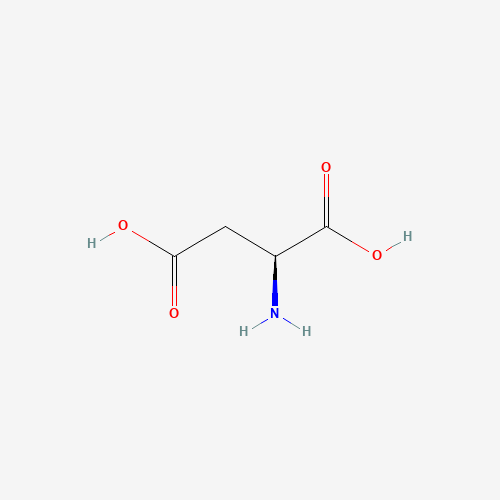
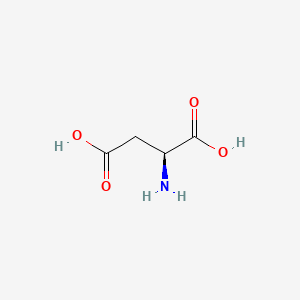
Aspartic Acid
AKA “L-aspartic acid, 56-84-8, (2S)-2-aminobutanedioic acid, Asparagic acid, L-Aminosuccinic acid, Asparaginic acid, L-Asparaginic acid, (S)-2-Aminosuccinic acid, L-Asparagic acid”
Acid
Ingredient Facts
Aspartic acid
AKA: L-aspartic acid, 56-84-8, (2S)-2-aminobutanedioic acid, Asparagic acid, L-Aminosuccinic acid, Asparaginic acid, L-Asparaginic acid, (S)-2-Aminosuccinic acid, L-Asparagic acid
Acid · Antistatic · EWG: 1
Synthetic
Skin Conditioner
Hair Care
Acid
Clean
Aspartic Acid is a non-essential amino acid in humans, Aspartic Acid has an overall negative charge and plays an important role in the synthesis of other amino acids and in the citric acid and urea cycles. Asparagine, arginine, lysine, methionine, isoleucine, and some nucleotides are synthesized from aspartic acid. Aspartic acid also serves as a neurotransmitter. (NCI04)
Solubility 5390
Formula
C4H7NO4
Mol. Weight
133.10
CAS #
56-84-8, 617-45-8
Form
Liquid
State
Dry Powder
See origin →
Functions
Antistatic
Hair Conditioning
A catch-all term for ingredients that improve how skin looks and feels — softer, smoother, more supple. The workhorse behind most moisturizers.
Skin Conditioning
A catch-all term for ingredients that improve how skin looks and feels — softer, smoother, more supple. The workhorse behind most moisturizers.
Locks in moisture
Traditional Use
Amino acid first isolated in 1827 from plant sources. Historically valued in traditional medicine as a component of protein-rich plant and animal extracts for skin nourishment.
Skin Types
●all-skin-types, gentle
Best For
Dryness
Pregnancy & Breastfeeding Safe
Yes
Verified Jun 2026
Data: PubChem · CosIng · EWG · CIR