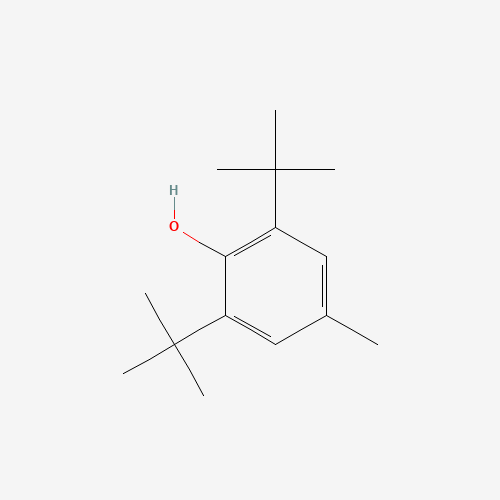
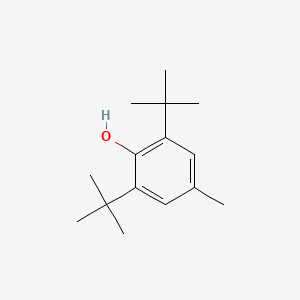
BHT
AKA “2, 6-Di-tert-butyl-4-methylphenol, 128-37-0, 6-Di-tert-butyl-p-cresol, Butylhydroxytoluene, 6-Di-t-butyl-4-methylphenol, Ionol, Stavox, DBPC, Impruvol, Dalpac”
Antioxidant
Ingredient Facts
BHT
AKA: 2, 6-Di-tert-butyl-4-methylphenol, 128-37-0, 6-Di-tert-butyl-p-cresol, Butylhydroxytoluene, 6-Di-t-butyl-4-methylphenol, Ionol, Stavox, DBPC, Impruvol, Dalpac
Antioxidant · Antioxidant · EWG: 5
Synthetic
Antioxidant
Not Clean
2,6-Di-tert-butyl-4-methylphenol is also known as butylated hydroxytoluene (BHT) or butylhydroxytoluene, is a lipophilic (fat-soluble) organic compound that is primarily used as an antioxidant food additive (E number E321) as well as an antioxidant additive in cosmetics, pharmaceuticals, jet fuels, rubber, petroleum products, electrical transformer oil, and embalming fluid. It is also found in certain plants, including soft-necked garlic. A recent study has found that phytoplankton, including the green algae, Botryococcus braunii, as well as three different cyanobacteria (Cylindrospermopsis raciborskii, Microcystis aeruginosa and Oscillatoria sp.) are capable of producing this compound.
Solubility less than 1 mg/mL at 68 °F (NTP, 1992)
Formula
C15H24O
Mol. Weight
220.35
CAS #
128-37-0
Form
Powder
State
Butylated hydroxytoluene is a white crystalline solid. (NTP, 1992)
See origin →
Functions
Antioxidant
Fights free radicals — the unstable molecules from UV, pollution, and stress that break down collagen and cause premature aging.
Neutralizes Free Radicals
Traditional Use
Butylated hydroxytoluene, a synthetic antioxidant developed in the 1940s to prevent oxidation and rancidity in oils and fats. First used industrially before cosmetic adoption in the 1950s as a preservative.
Skin Types
●all-skin-types
Best For
General
Pregnancy & Breastfeeding Safe
Caution
EWG
5
CIR
Reviewed by CIR
Pregnancy
Caution
Restricted By
CIR Safety Findings
ewg-5
all-shades-safe
Regulatory Agencies
Verified Jun 2026
Data: PubChem · CosIng · EWG · CIR