Calcium Carbonate
AKA “471-34-1, Aeromatt, Calcium carbonate (1:1), Carbonic acid calcium salt (1:1), Calofort U, Albaglos, Aragonite, Calcicoll, Calseeds”
Ingredient
Ingredient Facts
Calcium carbonate
AKA: 471-34-1, Aeromatt, Calcium carbonate (1:1), Carbonic acid calcium salt (1:1), Calofort U, Albaglos, Aragonite, Calcicoll, Calseeds
Ingredient · Abrasive · EWG: 1
Synthetic
Clean
Calcium carbonate appears as white, odorless powder or colorless crystals. Practically insoluble in water. Occurs extensive in rocks world-wide. Ground calcium carbonate (CAS: 1317-65-3) results directly from the mining of limestone. The extraction process keeps the carbonate very close to its original state of purity and delivers a finely ground product either in dry or slurry form. Precipitated calcium carbonate (CAS: 471-34-1) is produced industrially by the decomposition of limestone to calcium oxide followed by subsequent recarbonization or as a by-product of the Solvay process (which is used to make sodium carbonate). Precipitated calcium carbonate is purer than ground calcium carbonate and has different (and tailorable) handling properties.
Solubility 0.001 % (NIOSH, 2024)
Formula
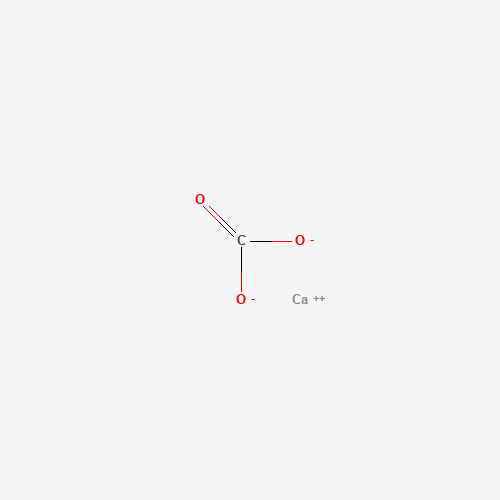
CCaO3
Mol. Weight
100.09
CAS #
471-34-1
Form
Powder
State
Calcium carbonate appears as white, odorless powder or colorless crystals. Practically insoluble in water. Occurs extensive in rocks world-wide. Ground calcium carbonate (CAS: 1317-65-3) results direc
See origin →
Functions
Abrasive
Buffering
Bulking
Opacifying
Oral Care
Physical Exfoliant
Stabilizes pH
Adds Body & Volume
Adds Opacity
Traditional Use
Used for thousands of years as chalk and in traditional preparations; Romans used it as a mild abrasive and whitening agent in tooth pastes and face powders. Historically applied to skin for oil absorption and as a base for cosmetic powders.
Skin Types
●all-skin-types, gentle
Best For
General
Pregnancy & Breastfeeding Safe
Yes
Verified Jun 2026
Data: PubChem · CosIng · EWG · CIR