Camellia sinensis root extract
AKA “Tea, ext., RefChem:891232, 4-dihydro-2H-chromen-3-yl 3, 5-trihydroxybenzoate, 4-dihydro-2H-1-benzopyran-3-yl 3
Extract
vote to see if the hive agrees
Ingredient Facts
Camellia sinensis root extract
AKA: Tea, Ext., RefChem:891232, 4-dihydro-2H-chromen-3-yl 3, 5-trihydroxybenzoate, 4-dihydro-2H-1-benzopyran-3-yl 3
Extract · Perfuming | Skin Conditioning · EWG: 4
Plant-Derived
Fragrance
Skin Conditioner
Plant Oil
Extract
Clean
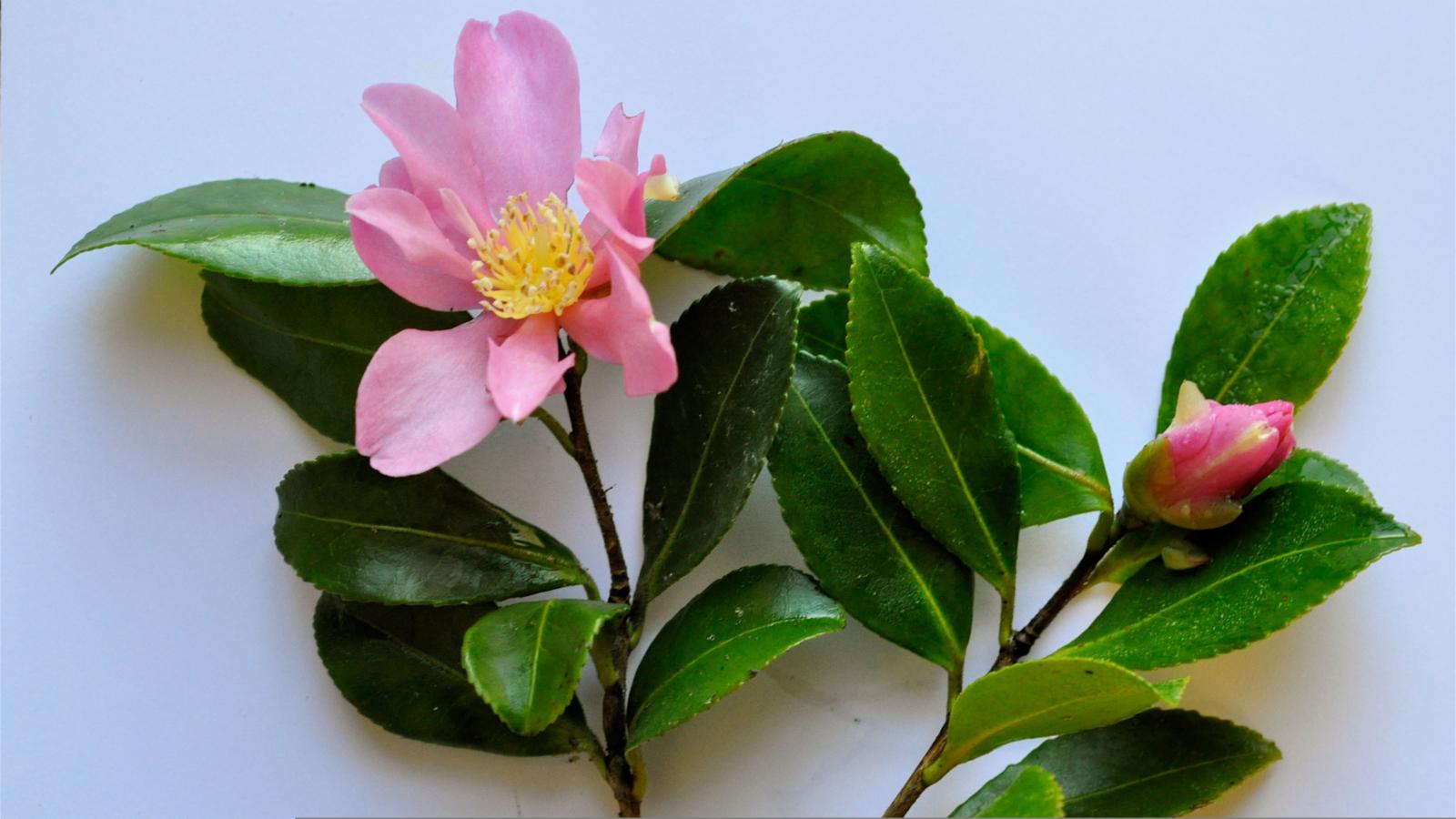
An extract from tea plant roots that gently conditions skin while adding a subtle natural fragrance. Sourced from tea-growing regions in China and Japan.
Family
Theaceae (Tea family)
Plant Part
Root
Lifeform
Shrub or tree
Climate
Subtropical
Formula
C22H18O11
Mol. Weight
458.40
CAS #
84650-60-2
Form
Liquid
Plant-Derived
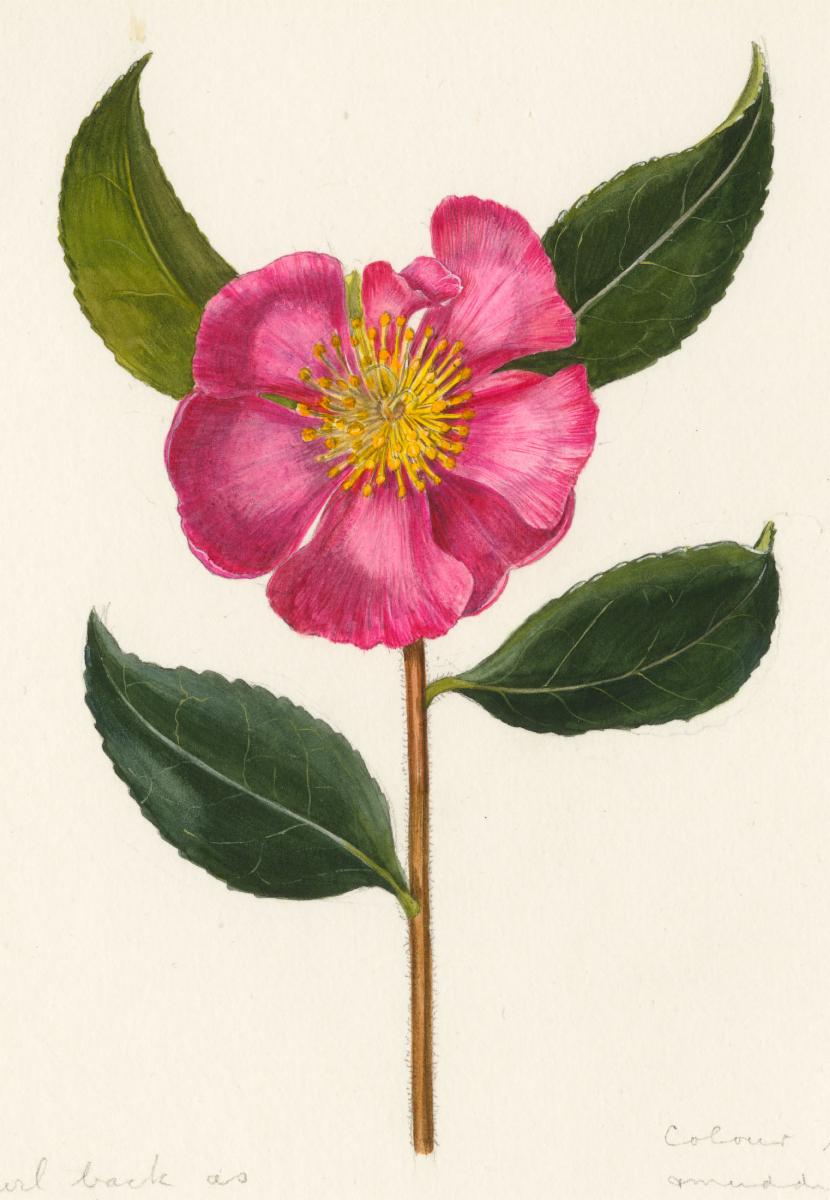
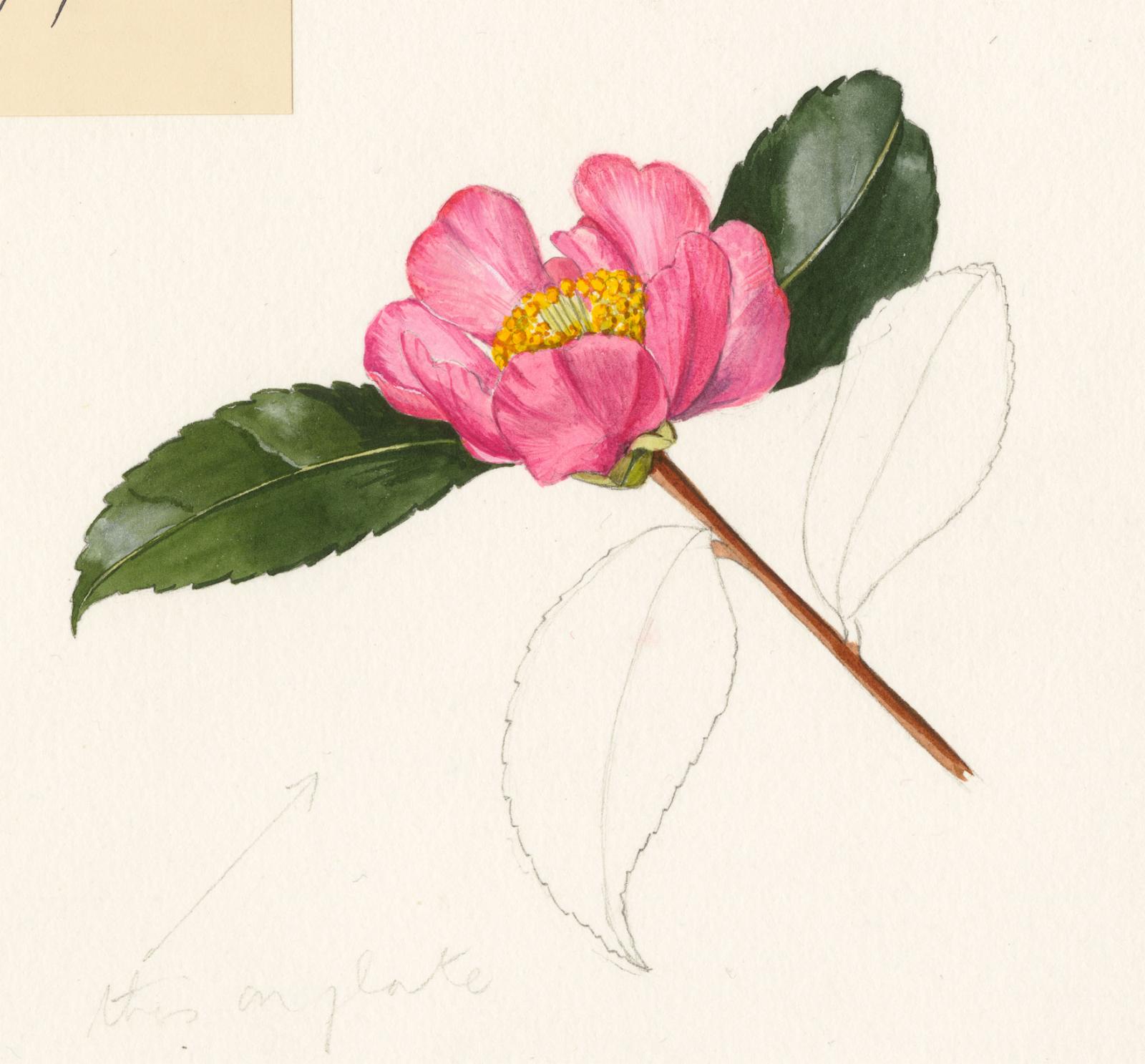
Botanical. Native to China, Japan. Derived from the root of Camellia sinensis, the tea plant native to China and Japan within the Theaceae family. Extracted from dried roots through solvent extraction or infusion methods to obtain the plant compound.
Plant Source
Theaceae (Tea family)
Plant Part
Root
Function
Perfuming | Skin Conditioning
Benefits
Neutralizes free radicals
Antioxidant protection
Quells irritation
Traditional Use
Tea plant roots have been used less commonly in traditional practices compared to leaves and flowers, though roots have appeared in some Traditional Chinese Medicine formulations for their potential therapeutic properties.
Skin Types
all-skin-types
Best For
Target
General
Melanin-Rich Skin
Suitable
Pregnancy Safe
Yes
EWG Score4
CIR Safety Findings
all-shades-safe, Potential Sensitizer
Concentration Guide
Industry Max
Industry typically uses up to 0.1% in leave-on products (26 products reported). Source: CIR Safety Assessment (CIR Seq 157).
Regulatory Status
USAunder review
EUrestricted
JAPANrestricted
CANADArestricted
Verified Feb 2026
Data: Kew POWO · PubChem · CosIng · EWG · CIR