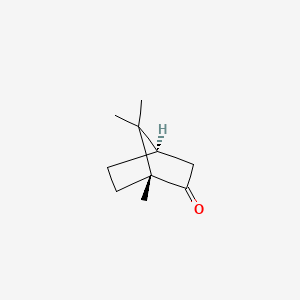
Camphor
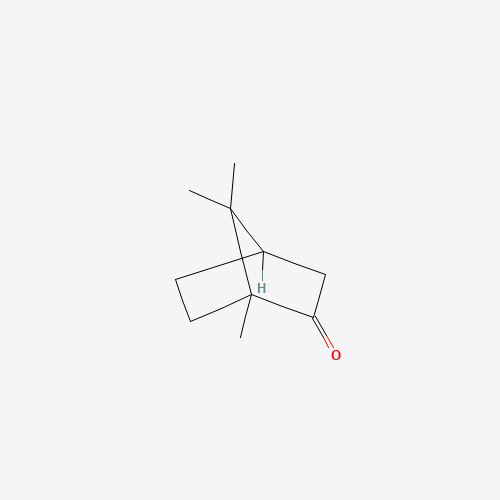
AKA “D-CAMPHOR, (R)-(+)-Camphor, (1R, 4R)-1, 7, 7-trimethylbicyclo[2.2.1]heptan-2-one, (R)-Camphor, (1R)-(+)-Camphor, Alcanfor, Japanese camphor, d-2-Camphanone, D-(+)-Camphor, Formosa camphor”
Ingredient
Ingredient Facts
Camphor
AKA: D-CAMPHOR, (R)-(+)-Camphor, (1R, 4R)-1, 7, 7-trimethylbicyclo[2.2.1]heptan-2-one, (R)-Camphor, (1R)-(+)-Camphor, Alcanfor, Japanese camphor, D-2-Camphanone, D-(+)-Camphor, Formosa camphor
Ingredient · Denaturant · EWG: 4
Synthetic
Not Clean
1,7,7-Trimethylbicyclo[2.2.1]-2-heptanone; Bornan-2-one
Solubility less than 1 mg/mL at 59 °F (NTP, 1992)
Formula
C10H16O
Mol. Weight
152.23
CAS #
464-49-3, 76-22-2
Form
Wax
State
D-camphor appears as colorless or white crystals. Sublimes. Flash point 149 °F. Burns readily with a bright, smoky flame. Penetrating aromatic odor. Pungent, aromatic taste followed by a sensation of
See origin →
Functions
Denaturant
Plasticiser
Traditional Use
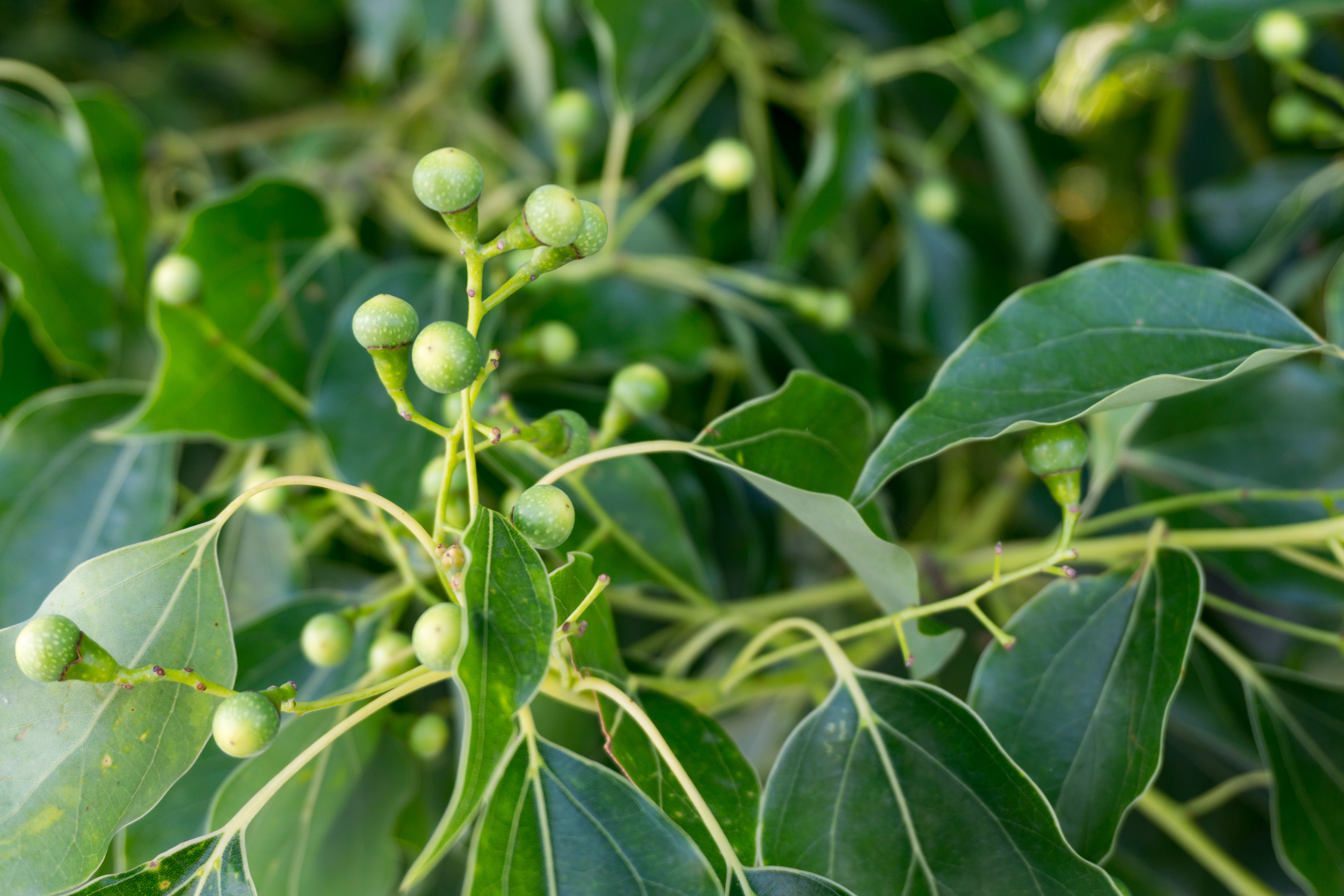
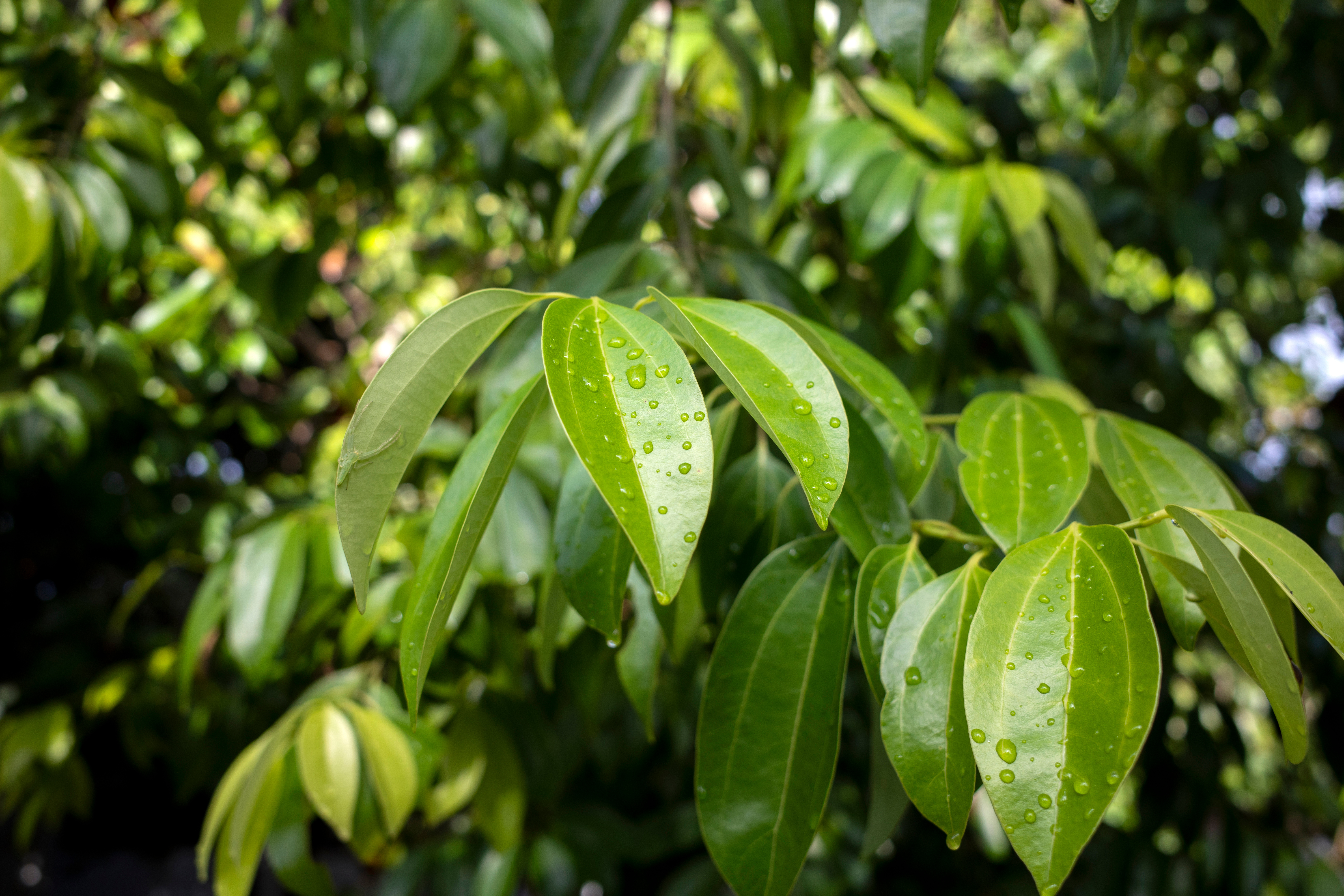
Used in Ayurvedic and Traditional Chinese Medicine for over 2,000 years as a cooling and stimulating agent for skin. Historically valued in topical preparations for its analgesic and antimicrobial properties, derived from camphor laurel trees.
Skin Types
●all-skin-types
Best For
Irritation
Pregnancy & Breastfeeding Safe
Caution
EWG
4
CIR
Safe w/Qualifications
Pregnancy
Caution
CIR Safety Findings
ewg-4
all-shades-safe
Concentration Guide
3.0%
0%4%
Reg. Limit
FDA OTC limit (Anorectal Analgesic): 3%. 21 CFR 346.16
Regulatory Agencies
Facial Detox
Goldfaden MD
Detox & Clarify Collection
Goldfaden MD
Ready, Set, Smooth
Goldfaden MD
Clearing Mask
Indie Lee
Hoppin’ Fresh Bar Soap
Ursa Major
The New Tendency Duo
Nécessaire
The New Tendency Complete Set
Nécessaire
Regenerating Gel Mask
Credo Beauty
Banish Solution
Credo Beauty
Hoppin’ Fresh Bar Soap
Credo Beauty
The Body Wash 100 ml | Multi-Acid | Hinoki
Nécessaire
The Body Lotion 450 ml | Multi-Peptide
Credo Beauty
Camphor
European Commission
EU Cosmetic Ingredient Database (CosIng)
cinnamomum camphora linalooliferum wood extract
European Commission
EU Cosmetic Ingredient Database (CosIng)
Camphor
Environmental Working Group (EWG)
EWG Skin Deep Cosmetics Database
cinnamomum camphora linalooliferum wood extract
Environmental Working Group (EWG)
EWG Skin Deep Cosmetics Database
Camphor
Health Canada
Health Canada Cosmetic Ingredient Hotlist
Verified Jun 2026
Data: PubChem · CosIng · EWG · CIR