 Kernel Extract.jpg)
-kernel-extract_g4.jpeg)

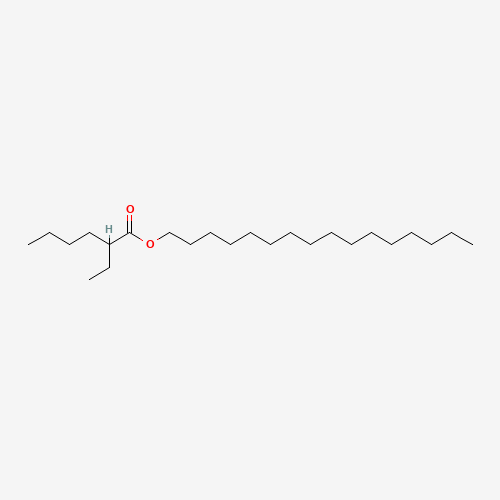
Cetearyl Octanoate
AKA “Hexadecyl 2-ethylhexanoate, 59130-69-7, Cetyl 2-ethylhexanoate, cetyl ethylhexanoate, HEXANOIC ACID, 2-ETHYL-, HEXADECYL ESTER, Cetearyl ethylhexanoate, EINECS 261-619-1, 90411-68-0, 134647WMX4”
Ingredient
Ingredient Facts
Cetearyl octanoate
AKA: Hexadecyl 2-ethylhexanoate, 59130-69-7, Cetyl 2-ethylhexanoate, Cetyl ethylhexanoate, HEXANOIC ACID, 2-ETHYL-, HEXADECYL ESTER, Cetearyl ethylhexanoate, EINECS 261-619-1, 90411-68-0, 134647WMX4
Ingredient · Emollient · EWG: 4
Plant-Derived
Emollient
Emulsifier
Plant Oil
Not Clean
The Panel concluded that the alkyl ethylhexanoates, listed below, are safe in the present practices of use and concentration described in the safety assessment when formulated to be non-irritating...Cetearyl Ethylhexanoate...
Formula
C24H48O2
Mol. Weight
368.60
CAS #
59130-69-7
Form
Oil
See origin →
Functions
Emollient
Fills in the tiny cracks between skin cells to make everything feel smooth and soft. The "silky finish" ingredient.
Emulsifying
Forces oil and water to stay mixed instead of separating into layers. The unsung hero holding your lotion together.
Moisturizing
Antimicrobial
Strengthens Barrier
Hydrates and nourishes skin
Creates protective moisture barrier
Softens and conditions skin
Traditional Use
A synthetic ester combining cetyl and stearyl alcohols with caprylic acid. Developed as a light, non-greasy emollient for cosmetics and personal care products.
Skin Types
●all-skin-types
Best For
Dryness
Pregnancy & Breastfeeding Safe
Yes
EWG
4
CIR
Safe as used
Pregnancy
Yes
CIR Safety Findings
Not a Sensitizer
medical-approval
all-shades-safe
Concentration Guide
Industry Max
Industry typically uses up to 52.0% in leave-on products (6 products reported). Source: CIR Safety Assessment (CIR Seq 637).
Regulatory Agencies
2-Ethyl-1,3-hexanediol.
Ballantyne B
Journal of applied toxicology : JAT, 2005
Final Report on the Safety Assessment of Cetearyl Octanoate
Cosmetic Ingredient Review (CIR) Expert Panel
International Journal of Toxicology
Cetyl Ethylhexanoate
European Commission
EU Cosmetic Ingredient Database (CosIng)
Isocetyl Ethylhexanoate
European Commission
EU Cosmetic Ingredient Database (CosIng)
Cetearyl Ethylhexanoate
Environmental Working Group (EWG)
EWG Skin Deep Cosmetics Database
Cetyl Ethylhexanoate
Environmental Working Group (EWG)
EWG Skin Deep Cosmetics Database
Verified Jun 2026
Data: PubChem · CosIng · EWG · CIR