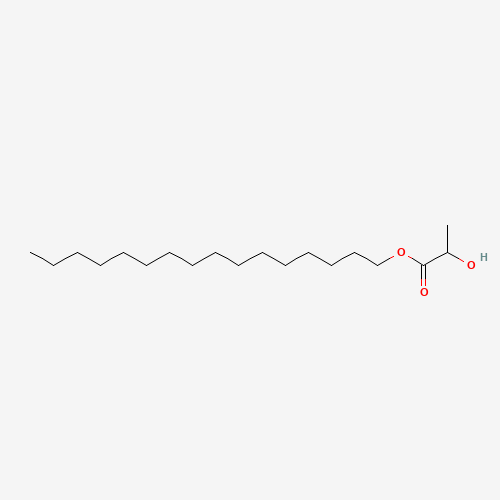
Cetyl Lactate
AKA “35274-05-6, Hexadecyl lactate, Propanoic acid, 2-hydroxy-, hexadecyl ester, A7EVH2RK4O, n-Hexadecyl lactate, UNIESTER LC, CETINOL LA, DERMOL CL, DUB LC”
Emollient
Ingredient Facts
Cetyl lactate
AKA: 35274-05-6, Hexadecyl lactate, Propanoic acid, 2-hydroxy-, Hexadecyl ester, A7EVH2RK4O, N-Hexadecyl lactate, UNIESTER LC, CETINOL LA, DERMOL CL, DUB LC
Emollient · Emollient · EWG: 5
Synthetic
Emollient
Skin Conditioner
Chemical Exfoliant
Not Clean
Based on the available information included in this report, the CIR Expert Panel concludes that Glycolic and Lactic Acid, their common salts and their simple esters, are safe for use in cosmetic products at concentrations less than or equal to 10%, at final formulation pH greater than or equal to 3.5, when formulated to avoid increasing sun sensitivity or when directions for use include the daily use of sun protection. These ingredients are safe for use in salon products at concentrations less than or equal to 30%, at final formulation pH greater than or equal to 3.0, in products designed for brief, discontinuous use followed by thorough rinsing from the skin, when applied by trained professionals, and when application is accompanied by directions for the daily use of sun protection...Cetyl Lactate...
Solubility Practically insoluble or insoluble in water
Formula
C19H38O3
Mol. Weight
314.50
CAS #
35274-05-6
Form
Liquid
State
White solid; Faint fatty butter-like aroma
See origin →
Functions
Skin Conditioning
A catch-all term for ingredients that improve how skin looks and feels — softer, smoother, more supple. The workhorse behind most moisturizers.
Emollient
Fills in the tiny cracks between skin cells to make everything feel smooth and soft. The "silky finish" ingredient.
Locks In Moisture
Traditional Use
A synthetic ester created in the 20th century by combining cetyl alcohol with lactic acid. Used in cosmetics as a humectant and skin conditioning agent with no significant traditional history.
Skin Types
●all-skin-types
Best For
Dryness
Pregnancy & Breastfeeding Safe
Yes
Final Report on the Safety Assessment of Cetyl Lactate and Myristyl Lactate (Amended report IJT 17(S1) 1-242 1998)
Cosmetic Ingredient Review (CIR) Expert Panel
International Journal of Toxicology
Cetyl Lactate
European Commission
EU Cosmetic Ingredient Database (CosIng)
Cetyl Lactate
Environmental Working Group (EWG)
EWG Skin Deep Cosmetics Database
Enhancing effect of cetyl lactate on the percutaneous absorption of indomethacin in rats.
Kaiho F, Koike R, Nomura H, Hara H, Maruoka K et al.
Chemical & pharmaceutical bulletin, 1989
Verified Jun 2026
Data: PubChem · CosIng · EWG · CIR