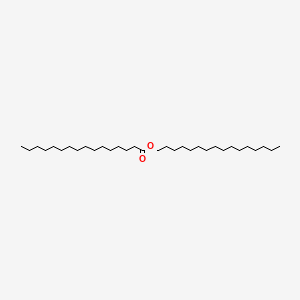
Cetyl Palmitate
AKA “Palmityl palmitate, 540-10-3, Hexadecyl hexadecanoate, Hexadecanoic acid, hexadecyl ester, n-Hexadecyl hexadecanoate, PALMITIC ACID, HEXADECYL ESTER, 5ZA2S6B08X, WE(16:0/16:0), DTXSID5047114”
Fatty Acid
Ingredient Facts
Cetyl palmitate
AKA: Palmityl palmitate, 540-10-3, Hexadecyl hexadecanoate, Hexadecanoic acid, Hexadecyl ester, N-Hexadecyl hexadecanoate, PALMITIC ACID, HEXADECYL ESTER, 5ZA2S6B08X, WE(16:0/16:0), DTXSID5047114
Fatty Acid · Emollient · EWG: 1
Synthetic
Emollient
Skin Conditioner
Fatty Acid
Clean
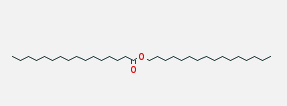
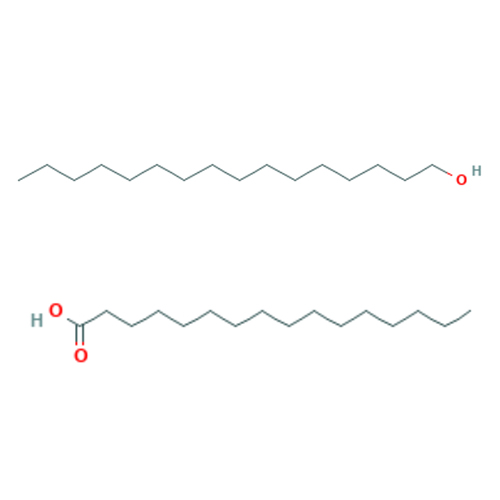
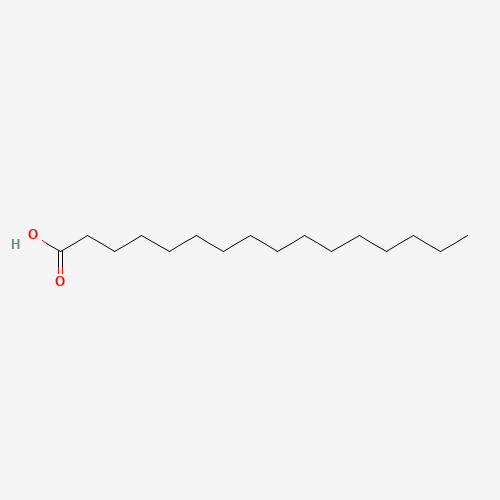
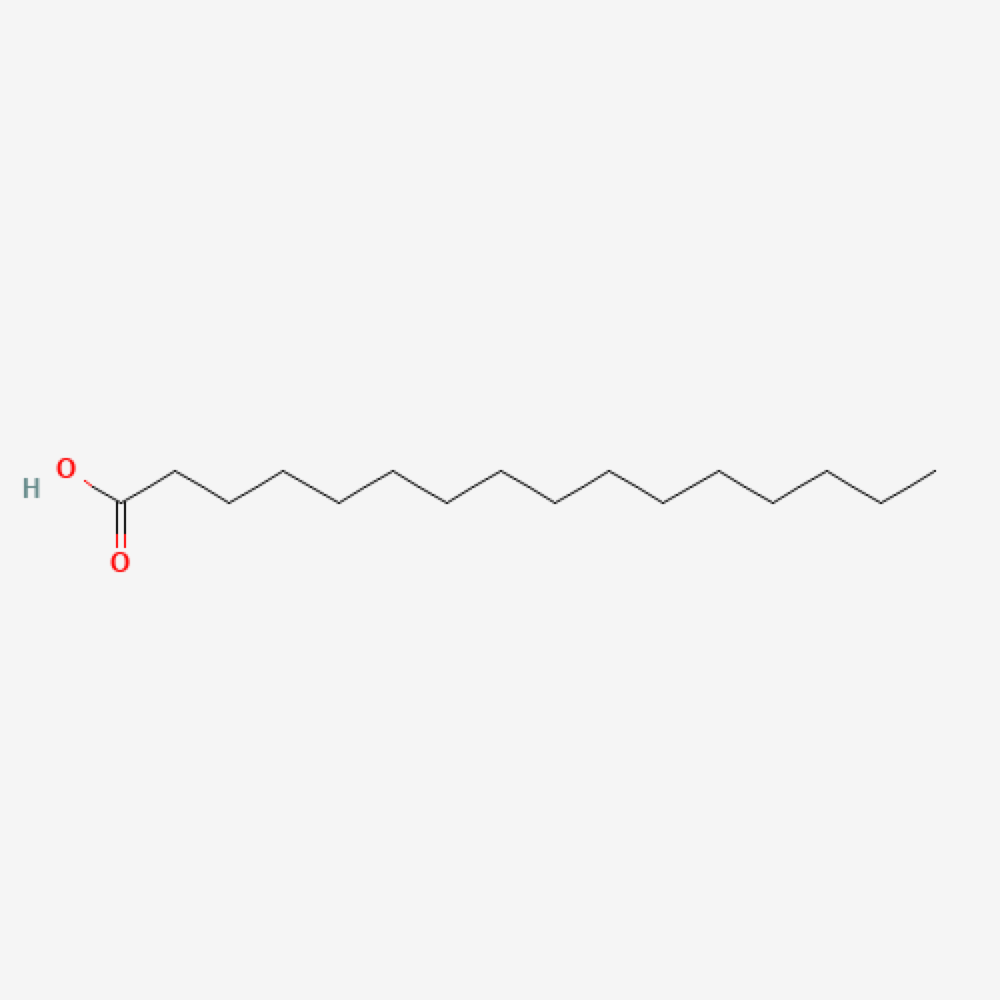
Palmityl palmitate is a palmitate ester resulting from the formal condensation of palmitic acid with palmityl alcohol. It is used as a thickener and emollient in cosmetics. It has a role as a metabolite. It is functionally related to a hexadecan-1-ol.
Effective at 18.7%
Formula
C32H64O2
Mol. Weight
480.80
CAS #
540-10-3
Form
Powder
State
Other Solid
See origin →
Functions
Emollient
Fills in the tiny cracks between skin cells to make everything feel smooth and soft. The "silky finish" ingredient.
Skin Conditioning
A catch-all term for ingredients that improve how skin looks and feels — softer, smoother, more supple. The workhorse behind most moisturizers.
Skin Conditioning Emollient
Smooths and softens skin
Softens and smooths skin
Provides scent
Traditional Use
Fatty acids have been used since ancient times in skincare through oils and animal fats. The modern isolation and standardization of specific fatty acids for cosmetics began in the 20th century.
Skin Types
●all-skin-types
Best For
Dryness
Pregnancy & Breastfeeding Safe
Yes
Final Report on the Safety Assessment of Octyl Palmitate, Cetyl Palmitate and Isopropyl Palmitate
Cosmetic Ingredient Review (CIR) Expert Panel
International Journal of Toxicology
Final Report on the Safety Assessment of Oleic Acid, Lauric Acid, Palmitic Acid, Myristic Acid, and Stearic Acid
Cosmetic Ingredient Review (CIR) Expert Panel
International Journal of Toxicology
Isocetyl Palmitate
European Commission
EU Cosmetic Ingredient Database (CosIng)
Palmitic Acid
European Commission
EU Cosmetic Ingredient Database (CosIng)
Cetyl Palmitate
Environmental Working Group (EWG)
EWG Skin Deep Cosmetics Database
Isocetyl Palmitate
Environmental Working Group (EWG)
EWG Skin Deep Cosmetics Database
Palmitic Acid
Environmental Working Group (EWG)
EWG Skin Deep Cosmetics Database
Verified Jun 2026
Data: PubChem · CosIng · EWG · CIR