Coconut Flower Sugar
AKA “Coconut Nectar Sugar, Coconut Palm Sugar, Coconut Blossom Sugar”
Surfactant
Ingredient Facts
Coconut flower sugar
AKA: Coconut Nectar Sugar, Coconut Palm Sugar, Coconut Blossom Sugar
Surfactant · Antioxidant · EWG: 4
Plant-Derived
Antioxidant
Emollient
Cleanser
Skin Conditioner
Barrier Support
Plant Oil
Not Clean
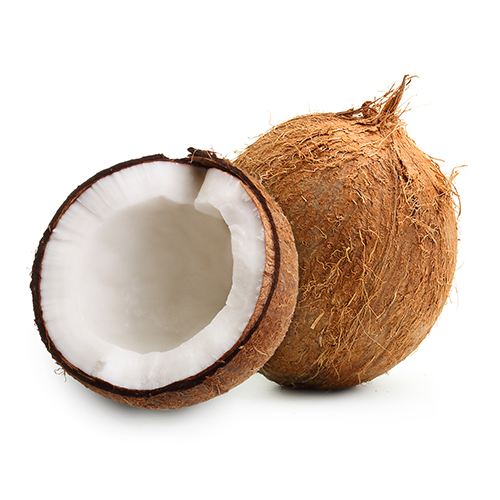
Coconut Flower Sugar is the dried, ground nectar obtained from the flowers of Cocos nucifera, Arecaceae.
Family
Arecaceae (Palm family)
Plant Part
Flower
Form
Powder
See origin →
Functions
Antioxidant
Fights free radicals — the unstable molecules from UV, pollution, and stress that break down collagen and cause premature aging.
Cleansing
Makes oil and water mix so dirt, makeup, and sunscreen can actually be washed away. The reason your face wash foams.
Flavouring
Emollient
Fills in the tiny cracks between skin cells to make everything feel smooth and soft. The "silky finish" ingredient.
Skin Protecting
Helps rebuild and strengthen your skin barrier — the invisible shield that keeps moisture in and irritants out. Essential after over-exfoliating or harsh weather.
Cleansing
Makes oil and water mix so dirt, makeup, and sunscreen can actually be washed away. The reason your face wash foams.
Nourishes & Protects
Locks In Moisture
Traditional Use
A natural sweetener extracted from coconut palm blossoms, used traditionally in Southeast Asian cuisine and recently adopted in cosmetics as a humectant and skin-conditioning agent.
Skin Types
●all-skin-types
Best For
Dehydration
Pregnancy & Breastfeeding Safe
Yes
Verified Jun 2026
Data: CosIng · EWG · CIR