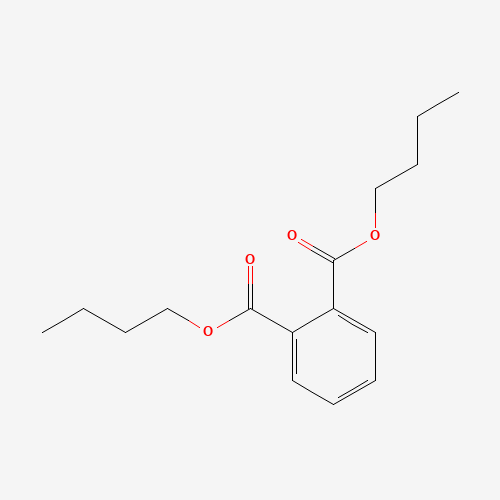
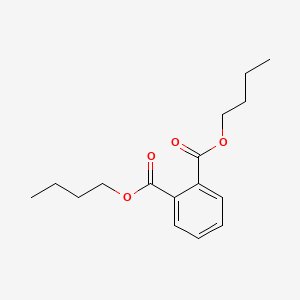
Dibutyl Phthalate
AKA “84-74-2, Di-n-butyl phthalate, n-Butyl phthalate, Butyl phthalate, Genoplast B, Palatinol C, Celluflex DPB, Unimoll DB, DIBUTYLPHTHALATE”
Ingredient
Ingredient Facts
Dibutyl phthalate
AKA: 84-74-2, Di-n-butyl phthalate, N-Butyl phthalate, Genoplast B, Palatinol C, Celluflex DPB, Unimoll DB, DIBUTYLPHTHALATE
Ingredient · Perfuming · EWG: 10
Synthetic
Fragrance
Solvent
Not Clean
Dibutyl phthalate is used in making flexible plastics that are found in a variety of consumer products. It appears to have relatively low acute (short-term) and chronic (long-term) toxicity. No information is available regarding the effects in humans from inhalation or oral exposure to dibutyl phthalate, and only minimal effects have been noted in animals exposed by inhalation. No studies are available on the reproductive, developmental, or carcinogenic effects of dibutyl phthalate in humans. Animal studies have reported developmental and reproductive effects from oral exposure. EPA has classified dibutyl phthalate as a Group D, not classifiable as to human carcinogenicity.
Solubility less than 1 mg/mL at 68 °F (NTP, 1992)
Formula
C16H22O4
Mol. Weight
278.34
CAS #
84-74-2
Form
Liquid
State
N-butyl phthalate is a colorless oily liquid. It is insoluble in water. The primary hazard is the threat to the environment. Immediate steps should be taken to limit its spread to the environment. Sin
See origin →
Functions
Perfuming
Added for scent. Can be natural or synthetic. Common irritant and allergen — one of the top reasons people react to products.
Plasticiser
Solvent
Dissolves other ingredients so they distribute evenly in the formula. Often the invisible "base" everything else is mixed into.
Antioxidant
Provides scent
Adds flexibility
Dissolves other ingredients
Traditional Use
Synthetic plasticizer first synthesized in the early 20th century. Widely used in cosmetics and nail products from the 1950s onward for flexibility and durability, though now restricted in some regions.
Skin Types
●all-skin-types
Best For
General
Pregnancy & Breastfeeding Safe
No
EWG
10
CIR
Safe as used
Pregnancy
No
Restricted By
CIR Safety Findings
medical-approval
all-shades-safe
Phototoxicity Concern
Regulatory Agencies
🧂Conflict of interest.
Verified Jun 2026 · 🧪 = conflict
Data: PubChem · CosIng · EWG · CIR