French Green Clay
AKA “Wilkonite, Alum bentonite, Bentonite magma, Colloidal clay, A3N5ZCN45C, aluminum silicate hydrate, aluminium silicate hydrate, INS NO.558, INS-558, Ci 77004”
Ingredient
Ingredient Facts
French green clay
AKA: Wilkonite, Alum bentonite, Bentonite magma, Colloidal clay, A3N5ZCN45C, Aluminum silicate hydrate, Aluminium silicate hydrate, INS NO.558, INS-558, Ci 77004
Ingredient · Absorbent · EWG: 1
Synthetic
Clay
Clean
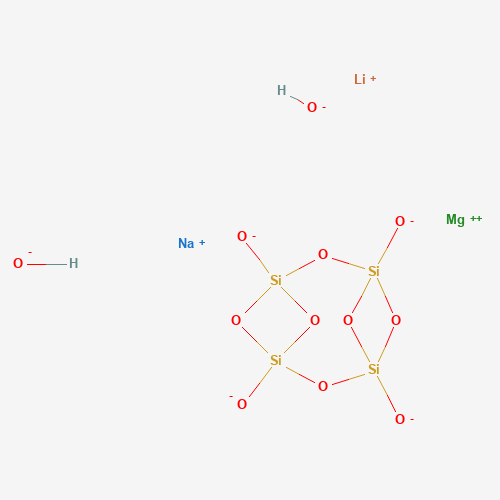
Montmorillonite is a subclass of smectite and a natural aluminomagnesium silicate clay, with potential protective effect for the digestive tract mucosa, and anti-inflammatory and anti-diarrheal activities. Although the exact mechanism of action has yet to be fully elucidated, upon administration, montmorillonite may adsorb bacteria, bacterial enterotoxins, viruses and other potentially diarrheagenic substances. It may also bind to mucin and modify mucus properties, thereby enhancing the mucus barrier function.
Solubility Insoluble in water and common organic solvents
Formula
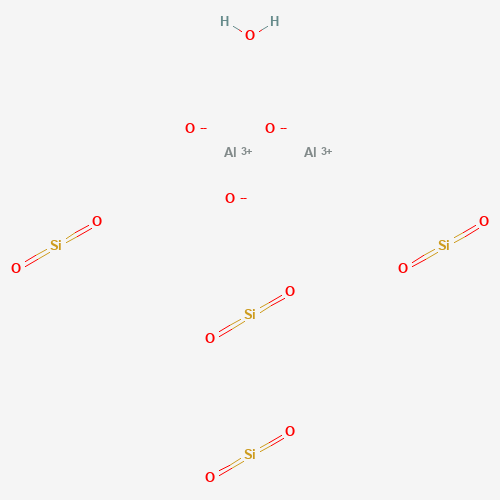
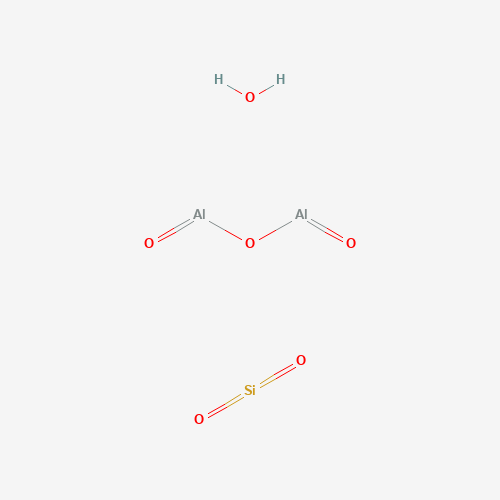
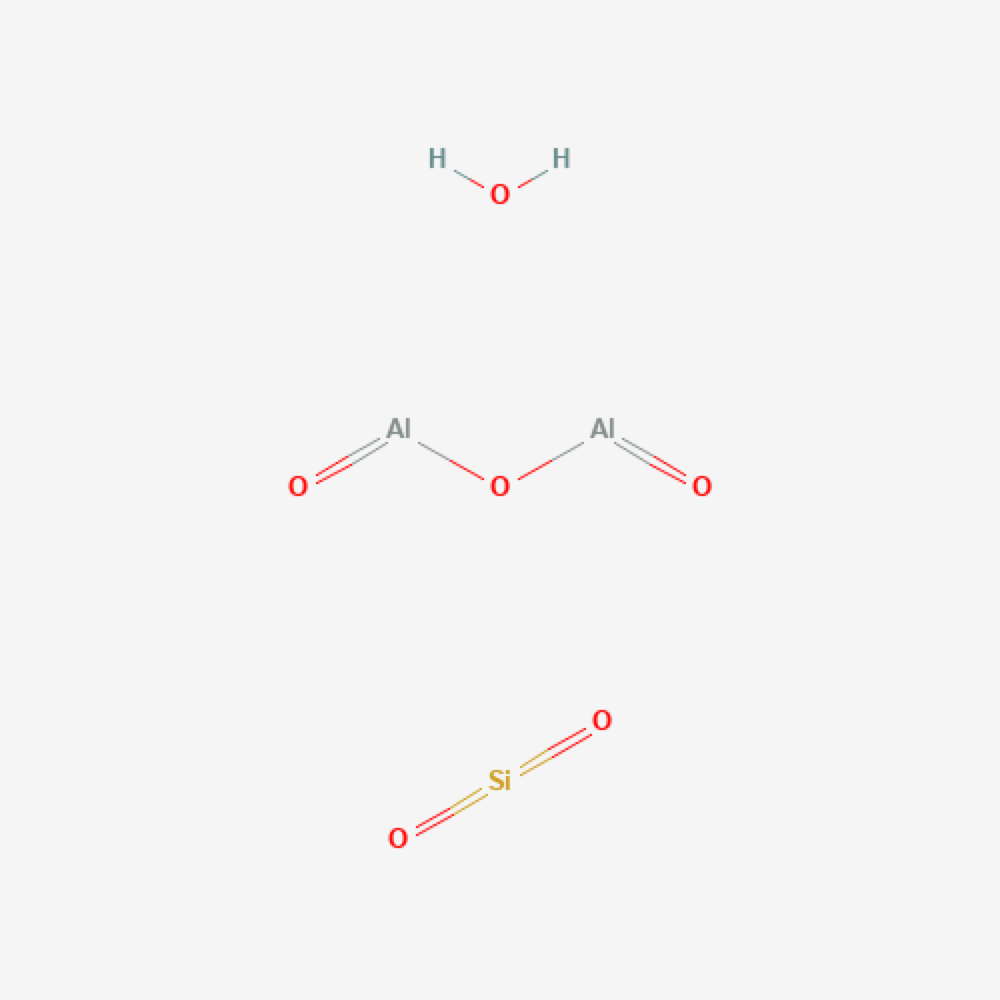
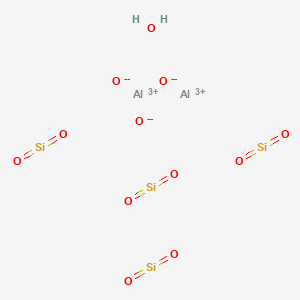
Al2H2O12Si4
Mol. Weight
360.31
Form
Powder
State
NKRA; Dry Powder, Pellets or Large Crystals; Dry Powder; Other Solid; Dry Powder, Other Solid
See origin →
Functions
Absorbent
Quells irritation
Reduces redness
Reduces swelling
Strengthens skin barrier
Traditional Use
Used for centuries in European skincare, particularly in France, for oil absorption and detoxification. Prized for its high mineral content and greenish color from iron oxide and chlorite, it became a staple in traditional spa treatments and home remedies for oily and problematic skin.
Skin Types
●all-skin-types, gentle
Best For
Oiliness
Pregnancy & Breastfeeding Safe
Yes
Verified Jun 2026
Data: PubChem · CosIng · EWG · CIR