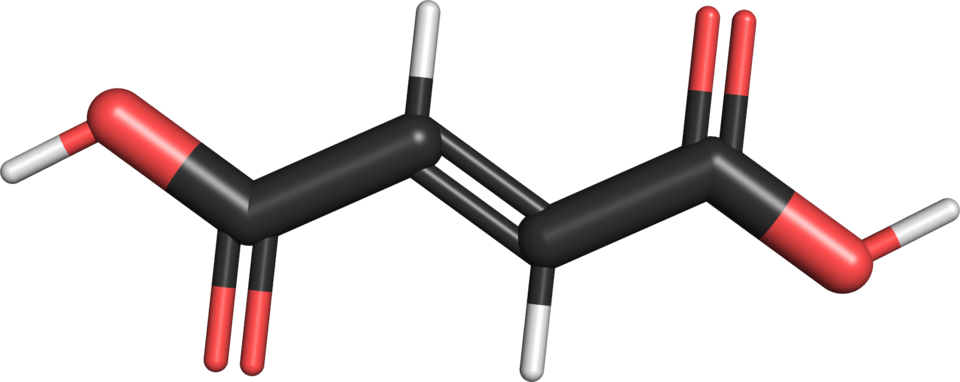
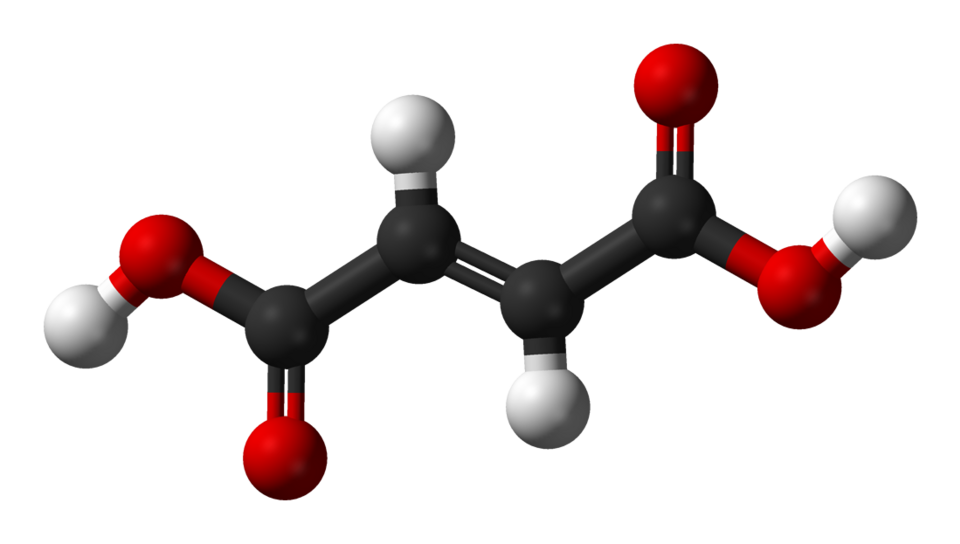
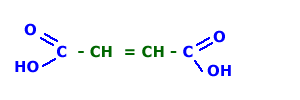
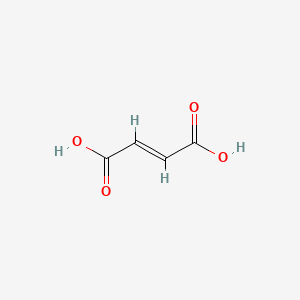
Fumaric Acid
AKA “110-17-8, trans-Butenedioic acid, Allomaleic acid, Lichenic acid, Boletic acid, (2E)-but-2-enedioic acid, Tumaric acid, trans-1, 2-Ethylenedicarboxylic acid, (E)-2-Butenedioic acid”
Acid
Ingredient Facts
Fumaric acid
AKA: 110-17-8, Trans-Butenedioic acid, Allomaleic acid, Lichenic acid, Boletic acid, (2E)-but-2-enedioic acid, Tumaric acid, Trans-1, 2-Ethylenedicarboxylic acid, (E)-2-Butenedioic acid
Acid · Buffering · EWG: 1
Plant-Derived Synthetic
Acid
Clean
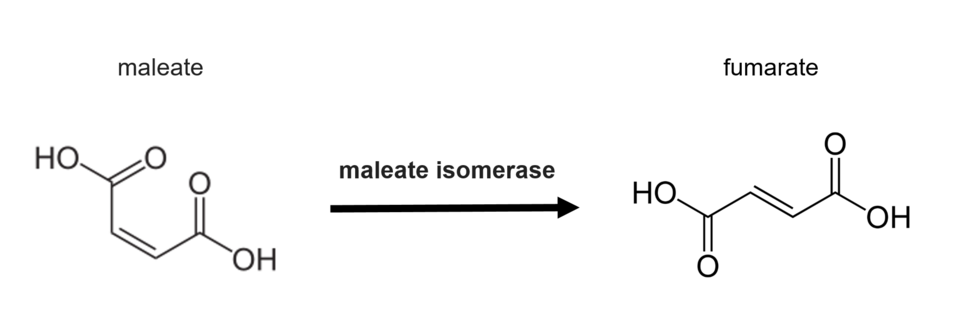
Fumaric acid is a precursor to L-malate in the Krebs tricarboxylic acid cycle. It is formed by the oxidation of succinate by succinate dehydrogenase. Fumarate is converted by fumarase to malate. A fumarate is a salt or ester of the organic compound fumaric acid, a dicarboxylic acid. Fumarate has recently been recognized as an oncometabolite. (A15199). As a food additive, fumaric acid is used to impart a tart taste to processed foods. It is also used as an antifungal agent in boxed foods such as cake mixes and flours, as well as tortillas. Fumaric acid is also added to bread to increase the porosity of the final baked product. It is used to impart a sour taste to sourdough and rye bread. In cake mixes, it is used to maintain a low pH and prevent clumping of the flours used in the mix. In fruit drinks, fumaric acid is used to maintain a low pH which, in turn, helps to stabilize flavor and color. Fumaric acid also prevents the growth of E. coli in beverages when used in combination with s
Solubility less than 1 mg/mL at 72 °F (NTP, 1992)
Formula
C4H4O4
Mol. Weight
116.07
CAS #
110-17-8
Form
Liquid
See origin →
Functions
Buffering
Stabilizes pH
Fights Bacteria
Traditional Use
Developed as a synthetic food and cosmetic ingredient in the early 20th century. Originally derived from fumitory plant fermentation, it was later synthesized chemically and adopted in skincare for pH buffering and preservative properties.
Skin Types
●all-skin-types
Best For
General
Pregnancy & Breastfeeding Safe
Yes
Final Report on the Safety Assessment of Fumaric Acid and Related Salts and Esters as Used in Cosmetics
Cosmetic Ingredient Review (CIR) Expert Panel
International Journal of Toxicology
Fumaric Acid
European Commission
EU Cosmetic Ingredient Database (CosIng)
Fumaric Acid
Environmental Working Group (EWG)
EWG Skin Deep Cosmetics Database
Verified Jun 2026
Data: PubChem · CosIng · EWG · CIR