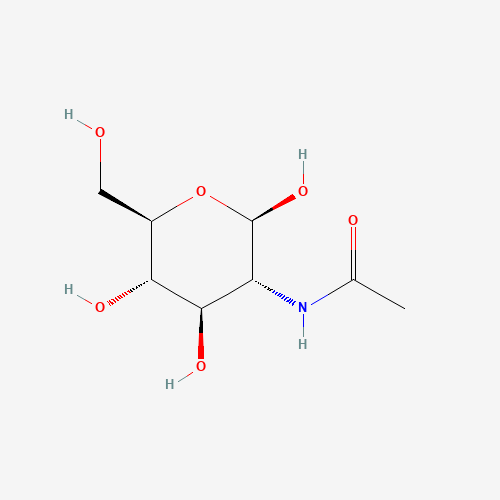

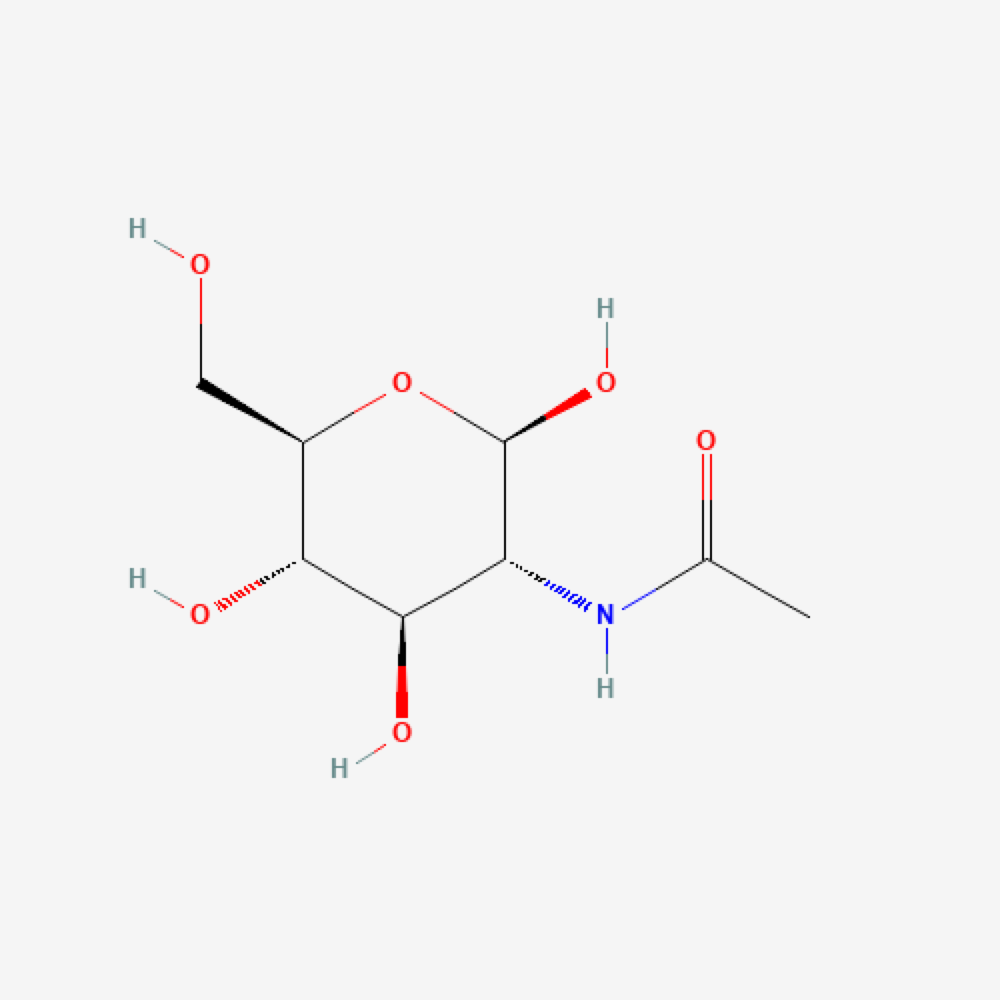


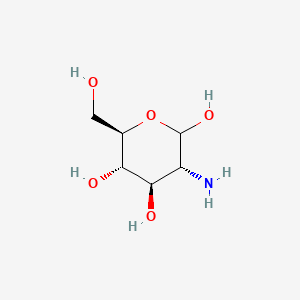
Glucosamine
AKA “D-glucosamine, 2-amino-2-deoxy-D-glucopyranose, chitosamine, (3R, 4R, 5S, 6R)-3-amino-6-(hydroxymethyl)oxane-2, 4, 5-triol, Glucosamina, Mediflex, GlcN, 2-Deoxy-2-amino-D-glucose, D-GlcN, CHEBI:47977”
Hair Conditioning
Ingredient Facts
Glucosamine
AKA: D-glucosamine, 2-amino-2-deoxy-D-glucopyranose, Chitosamine, (3R, 4R, 5S, 6R)-3-amino-6-(hydroxymethyl)oxane-2, 4, 5-triol, Glucosamina, Mediflex, GlcN, 2-Deoxy-2-amino-D-glucose, D-GlcN, CHEBI:47977
Hair Conditioning · Antistatic · EWG: 1
Synthetic
Skin Conditioner
Hair Care
Clean
Osteoarthritis (OA) is a progressive and degenerative joint disease marked by loss of cartilage, bone changes, and synovial membrane inflammation. Treatment with chondroprotective drugs, such as glucosamine sulfate may offer additional benefits to nonsteroidal anti-inflammatory drugs treating the painful symptoms of OA. Glucosamine is commonly used over the counter as a treatment for arthritic joint pain, although its acceptance as a medical therapy varies due to contradictory and findings with unclear clinical significance during clinical trials. It is currently not approved as a prescription product by the FDA, but is widely available over the counter.
Solubility 330 mg/mL
Formula
C6H13NO5
Mol. Weight
179.17
CAS #
3416-24-8
Form
Liquid
State
Alpha and beta forms are solids; [Merck Index]
See origin →
Functions
Antistatic
Hair Conditioning
A catch-all term for ingredients that improve how skin looks and feels — softer, smoother, more supple. The workhorse behind most moisturizers.
Quells irritation
Reduces redness
Reduces swelling
Traditional Use
Discovered in crustacean shells in the early 20th century; historically used in traditional medicine for joint health. Modern research in the 1980s-1990s led to its adoption in skincare for its role in maintaining skin structure and hydration.
Skin Types
●all-skin-types
Best For
Dehydration
Pregnancy & Breastfeeding Safe
Caution
EWG
1
CIR
Safe as used
Pregnancy
Caution
CIR Safety Findings
medical-approval
all-shades-safe
Dermal Absorption 5%
Concentration Guide
Dermal absorption: 5%. Source: CIR Safety Assessment (CIR Seq 832).
Regulatory Agencies
Glucosamine.
T S Barclay, C Tsourounis, G M McCart
The Annals of pharmacotherapy, 1998
Transdermal co-delivery of glucosamine sulfate and diacerein for the induction of chondroprotection in experimental osteoarthritis.
Chattopadhyay H, Auddy B, Sur T, Gupta M, Datta S
Drug delivery and translational research, 2020
Safety Assessment of Glucosamine Ingredients as Used in Cosmetics
Cosmetic Ingredient Review (CIR) Expert Panel
International Journal of Toxicology
Glucosamine
European Commission
EU Cosmetic Ingredient Database (CosIng)
Glucosamine Sulfate
European Commission
EU Cosmetic Ingredient Database (CosIng)
Acetyl Glucosamine
Environmental Working Group (EWG)
EWG Skin Deep Cosmetics Database
Disodium Acetyl Glucosamine Phosphate
Environmental Working Group (EWG)
EWG Skin Deep Cosmetics Database
Glucosamine
Environmental Working Group (EWG)
EWG Skin Deep Cosmetics Database
Glucosamine HCL
Environmental Working Group (EWG)
EWG Skin Deep Cosmetics Database
Glucosamine Sulfate
Environmental Working Group (EWG)
EWG Skin Deep Cosmetics Database
Safety Assessment of Glucosamine Ingredients as Used in Cosmetics.
Ferguson P, Bergfeld WF, Belsito DV, Cohen DE, Klaassen CD et al.
International journal of toxicology, 2026
Transdermal permeability of N-acetyl-D-glucosamine.
Garner ST Jr, Israel BJ, Achmed H, Capomacchia AC, Abney T et al.
Pharmaceutical development and technology, 2007
Verified Jun 2026
Data: PubChem · CosIng · EWG · CIR