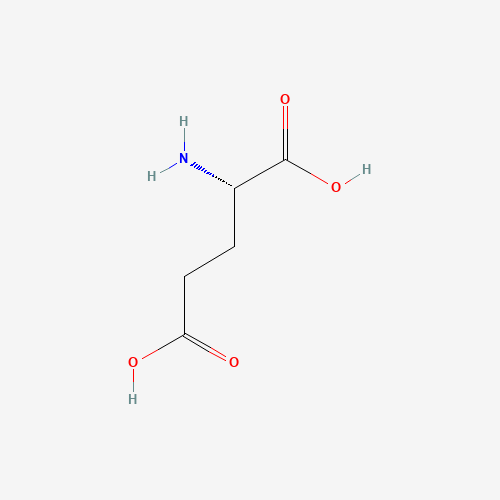
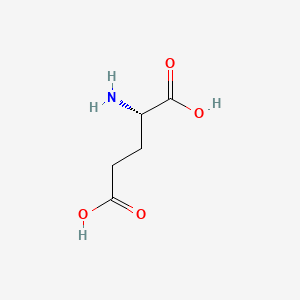
Glutamic Acid
AKA “L-glutamic acid, 56-86-0, (2S)-2-Aminopentanedioic acid, L-glutamate, (S)-2-Aminopentanedioic acid, Glutamidex, Aciglut, Glutaminol, Glutaton”
Acid
Ingredient Facts
Glutamic acid
AKA: L-glutamic acid, 56-86-0, (2S)-2-Aminopentanedioic acid, L-glutamate, (S)-2-Aminopentanedioic acid, Glutamidex, Aciglut, Glutaminol, Glutaton
Acid · Humectant · EWG: 1
Synthetic
Humectant
Skin Conditioner
Hair Care
Acid
Clean
Glutamic acid (Glu), also referred to as glutamate (the anion), is one of the 20 proteinogenic amino acids. It is not among the essential amino acids. Glutamate is a key molecule in cellular metabolism. In humans, dietary proteins are broken down by digestion into amino acids, which serves as metabolic fuel or other functional roles in the body. Glutamate is the most abundant fast excitatory neurotransmitter in the mammalian nervous system. At chemical synapses, glutamate is stored in vesicles. Nerve impulses trigger release of glutamate from the pre-synaptic cell. In the opposing post-synaptic cell, glutamate receptors, such as the NMDA receptor, bind glutamate and are activated. Because of its role in synaptic plasticity, it is believed that glutamic acid is involved in cognitive functions like learning and memory in the brain. Glutamate transporters are found in neuronal and glial membranes. They rapidly remove glutamate from the extracellular space. In brain injury or disease, they
Solubility 8570
Formula
C5H9NO4
Mol. Weight
147.13
CAS #
56-86-0
Form
Liquid
State
Liquid
See origin →
Functions
Antistatic
Hair Conditioning
A catch-all term for ingredients that improve how skin looks and feels — softer, smoother, more supple. The workhorse behind most moisturizers.
Humectant
A moisture magnet. Pulls water from the air and deeper skin layers up to the surface to keep skin plump and hydrated.
Locks In Moisture
Traditional Use
An amino acid first isolated in 1866 from wheat gluten. While not traditionally used in skincare, glutamic acid occurs naturally in the skin and was later incorporated into cosmetics for its hydrating and skin-conditioning properties.
Skin Types
●all-skin-types
Best For
Dryness
Pregnancy & Breastfeeding Safe
Yes
Acetyl Glutamic Acid
European Commission
EU Cosmetic Ingredient Database (CosIng)
Cocoyl Glutamic Acid
European Commission
EU Cosmetic Ingredient Database (CosIng)
Glutamic Acid
European Commission
EU Cosmetic Ingredient Database (CosIng)
Lauroyl Glutamic Acid
European Commission
EU Cosmetic Ingredient Database (CosIng)
Myristoyl Glutamic Acid
European Commission
EU Cosmetic Ingredient Database (CosIng)
Palmitoyl Glutamic Acid
European Commission
EU Cosmetic Ingredient Database (CosIng)
Stearoyl Glutamic Acid
European Commission
EU Cosmetic Ingredient Database (CosIng)
Glutamic Acid
Environmental Working Group (EWG)
EWG Skin Deep Cosmetics Database
Lauroyl Glutamic Acid
Environmental Working Group (EWG)
EWG Skin Deep Cosmetics Database
Stearoyl Glutamic Acid
Environmental Working Group (EWG)
EWG Skin Deep Cosmetics Database
Verified Jun 2026
Data: PubChem · CosIng · EWG · CIR