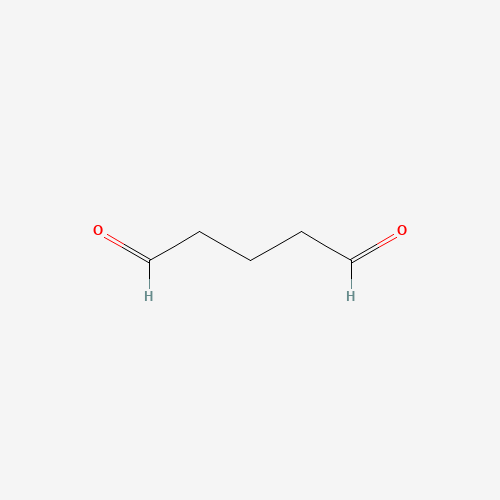
Glutaral
AKA “glutaraldehyde, Pentanedial, 111-30-8, 1, 5-Pentanedial, Glutaric dialdehyde, Sonacide, Glutardialdehyde, Alhydex, Glutaric acid dialdehyde”
Preservative
Ingredient Facts
Glutaral
AKA: Glutaraldehyde, Pentanedial, 111-30-8, 1, 5-Pentanedial, Glutaric dialdehyde, Sonacide, Glutardialdehyde, Alhydex, Glutaric acid dialdehyde
Preservative · Preservative · EWG: 4
Synthetic
Preservative
Not Clean
Glutaral is used as an antimicrobial agent in sugar mills and as a fixing agent in the immobilisation of glucose isomerase enzyme preparations for use in the manufacture of high fructose corn syrup A polymerized isomer of glutaraldehyde known as polycycloglutaracetal is a fertilizer for aquatic plants. It is claimed that it provides a bioavailable source of carbon for higher plants that is not available to algae. Though not marketed as such due to federal regulations, the biocidal effect of glutaraldehyde kills most algae at concentrations of 0.5 - 5.0 ppm. These levels are not harmful to most aquatic fauna and flora. Adverse reactions have been observed by some aquarists at these concentrations in some aquatic mosses, liverworts, and vascular plants. Glutaraldehyde is a colorless liquid with a pungent odor used to disinfect medical and dental equipment. It is also used for industrial water treatment and as a chemical preservative. Glutaraldehyde is an oily liquid at room temperature (
Solubility greater than or equal to 100 mg/mL at 72 °F (NTP, 1992)
Formula
C5H8O2
Mol. Weight
100.12
CAS #
111-30-8
Form
Liquid
State
Glutaraldehyde solution is a light yellow liquid. Mixes with water. (USCG, 1999)
See origin →
Functions
Preservative
Keeps your product from growing bacteria, mold, or yeast. Without these, that jar of cream becomes a petri dish in about a week.
Prevents microbial growth
Provides scent
Traditional Use
A synthetic chemical developed in the mid-20th century as a disinfectant and preservative. It was adopted by the cosmetics industry as a biocide to prevent microbial growth in formulations.
Skin Types
●all-skin-types
Best For
General
Pregnancy & Breastfeeding Safe
Caution
EWG
4
CIR
Safe as used
Pregnancy
Caution
CIR Safety Findings
medical-approval
all-shades-safe
Phototoxicity Concern
Concentration Guide
0.1%
0%0%
Reg. Limit
EU regulatory limit: 0.1%. Contains glutaral (9) Source: EU Cosmetics Regulation (EC) 1223/2009, Annex V (Preservatives), Entry 48.
Regulatory Agencies
Verified Jun 2026
Data: PubChem · CosIng · EWG · CIR