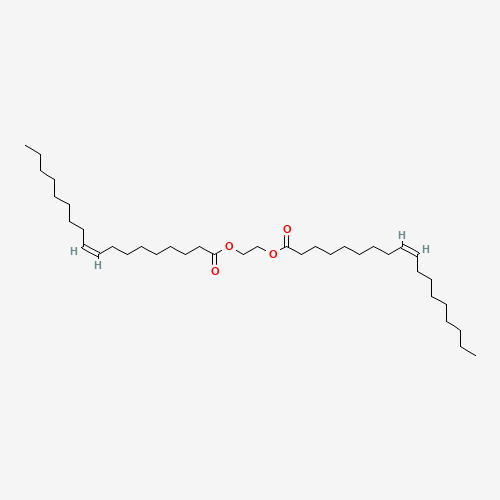
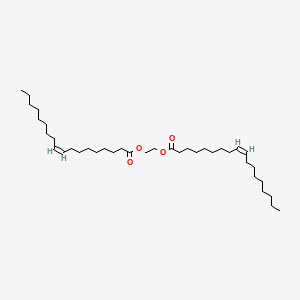
Glycol Dioleate
AKA “CMP2G8S7AM, P2NHA0HO8I, 9005-07-6, 8OD7I9D4BZ, C4M16OHW5F, TOM07RFH74, U47OPR8H97, 6JR5A7273E, O05H945W9X, 2-[(9Z)-OCTADEC-9-ENOYLOXY]ETHYL (9Z)-OCTADEC-9-ENOATE”
Emollient
Ingredient Facts
Glycol dioleate
AKA: CMP2G8S7AM, P2NHA0HO8I, 9005-07-6, 8OD7I9D4BZ, C4M16OHW5F, TOM07RFH74, U47OPR8H97, 6JR5A7273E, O05H945W9X, 2-[(9Z)-OCTADEC-9-ENOYLOXY]ETHYL (9Z)-OCTADEC-9-ENOATE
Emollient · Emollient · EWG: 4
Synthetic
Emollient
Skin Conditioner
Not Clean
The CIR Expert Panel concluded that butylene glycol diisononanoate, cetearyl isononanoate, cetearyl nonanoate, cetyl isononanoate, cholesteryl nonanoate, diethylene glycol diethyl-hexanoate/ diisononanoate, dipentaerythrityl pentaisononanoate, ethylhexyl isononanoate, isodecyl isononanoate, isononyl isononanoate, isotridecyl isononanoate, neopentyl glycol diisononanoate, PEG-2 diisononanoate, PEG-5 isononanoate, pentaerythrityl tetraisononanaote, polyglyceryl-20 octaisononanoate, tridecyl isononanoate, ethylhexyl pelargonate, pentaerythrityl tetrapelargonate, cellobiose octanonanoate, diethylene glycol diisononanoate, dihydrocholesteryl nonanoate, glycereth-7 diisononanoate, isostearyl isononanoate, phytosteryl nonanoate, propylene glycol diisononanoate, ethyl pelargonate, isobutyl pelargonate, methyl pelargonate, neopentyl glycol dicaprylate/dipelargonate/dicaprate, and pelargonic acid are safe as cosmetic ingredients in the present practices of use and concentration described in this
Formula
C38H70O4
Mol. Weight
591.00
CAS #
928-24-5
Form
Liquid
State
Lemon to orange oily liquid or semi-gel with a mild odor; [JECFA] Liquid; mp = 15 deg C; [Sigma-Aldrich MSDS]
See origin →
Functions
Skin Conditioning
A catch-all term for ingredients that improve how skin looks and feels — softer, smoother, more supple. The workhorse behind most moisturizers.
Emollient
Fills in the tiny cracks between skin cells to make everything feel smooth and soft. The "silky finish" ingredient.
Viscosity Controlling
Locks In Moisture
Traditional Use
Developed as a synthetic glycol ester in the mid-20th century. Used in cosmetics as an emollient and skin-conditioning agent, created to provide slip and spreadability while mimicking natural oil properties.
Skin Types
●all-skin-types
Best For
General
Pregnancy & Breastfeeding Safe
Yes
Verified Jun 2026
Data: PubChem · CosIng · EWG · CIR