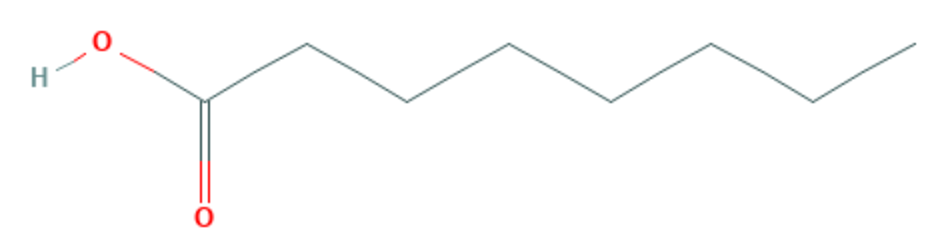
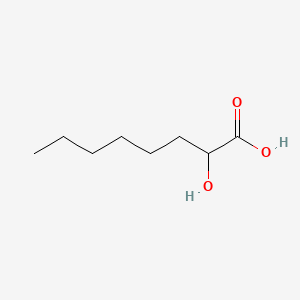
Hydroxycaprylic Acid
AKA “2-Hydroxyoctanoic acid, 617-73-2, 2-Hydroxycaprylic acid, Octanoic acid, 2-hydroxy-, alpha-Hydroxycaprylic acid, alpha-Hydroxyoctanoic acid, DL-2-Hydroxyoctanoic acid, DL-2-Hydroxycaprylic acid, .alpha.-Hydroxycaprylic acid”
Acid
Ingredient Facts
Hydroxycaprylic acid
AKA: 2-Hydroxyoctanoic acid, 617-73-2, 2-Hydroxycaprylic acid, Octanoic acid, 2-hydroxy-, Alpha-Hydroxycaprylic acid, Alpha-Hydroxyoctanoic acid, DL-2-Hydroxyoctanoic acid, DL-2-Hydroxycaprylic acid, .alpha.-Hydroxycaprylic acid
Acid · Skin Conditioning · EWG: 3
Synthetic
Skin Conditioner
Plant Oil
Acid
Not Clean
The CIR Expert Panel concluded that the following ingredients are safe in the present practices of use and concentration described in the safety assessment when formulated to be non-irritating and non-sensitizing, which may be based on a QRA...Hydroxycaprylic Acid...
Solubility 927 mg/mL
Formula
C8H16O3
Mol. Weight
160.21
CAS #
617-73-2
Form
Liquid
State
Solid
See origin →
Functions
Skin Conditioning
A catch-all term for ingredients that improve how skin looks and feels — softer, smoother, more supple. The workhorse behind most moisturizers.
Locks in moisture
Traditional Use
A synthetic fatty acid derivative developed for modern cosmetics as an emollient and preservative booster. No traditional use; it was formulated to provide specific sensory and stability characteristics in contemporary skincare products.
Skin Types
●all-skin-types
Best For
General
Pregnancy & Breastfeeding Safe
Yes
Final Report: Safety Assessment of Polyhydroxystearic Acid, Poly(3-Hydroxyoctanoic Acid, and Polylactic Acid as Used in Cosmetics
Cosmetic Ingredient Review (CIR) Expert Panel
International Journal of Toxicology
Hydroxycaprylic Acid
European Commission
EU Cosmetic Ingredient Database (CosIng)
Hydroxycaprylic Acid
Environmental Working Group (EWG)
EWG Skin Deep Cosmetics Database
Verified Jun 2026
Data: PubChem · CosIng · EWG · CIR