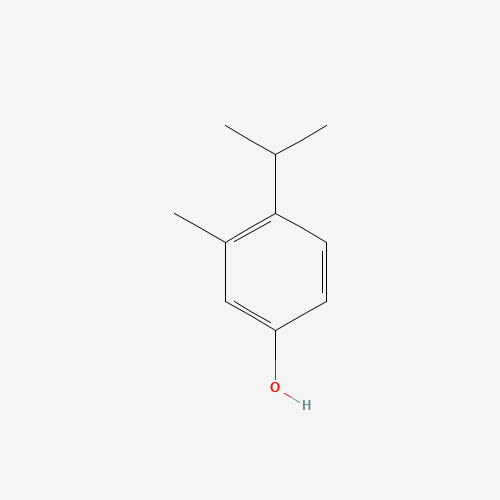
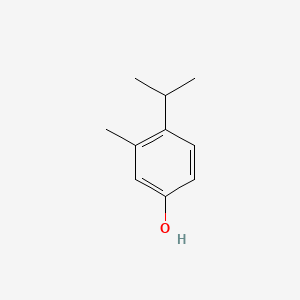
Isopropyl Cresols
AKA “4-Isopropyl-3-methylphenol, 3228-02-2, 3-Methyl-4-isopropylphenol, o-CYMEN-5-OL, 3-methyl-4-propan-2-ylphenol, 3-Methyl-4-(1-methylethyl)phenol, H41B6Q1I9L, NSC-62111, DTXSID10186026, RefChem:55740”
Preservative
Ingredient Facts
Isopropyl cresols
AKA: 4-Isopropyl-3-methylphenol, 3228-02-2, 3-Methyl-4-isopropylphenol, O-CYMEN-5-OL, 3-methyl-4-propan-2-ylphenol, 3-Methyl-4-(1-methylethyl)phenol, H41B6Q1I9L, NSC-62111, DTXSID10186026, RefChem:55740
Preservative · Preservative · EWG: 4
Synthetic
Preservative
Not Clean
The CIR Expert panel concludes Sodium p-Chloro-m-Cresol, p-Chloro-m-Cresol, Chlorothymol, m-Cresol, o-Cresol, Isopropyl Cresols, Thymol, o-Cymen-5-ol, Cavacrol are safe at concentrations up to 0.5% in cosmetics; however, the available data are insufficient to support the safety of p-Cresol and Mixed Cresols for use in cosmetic products.
Formula
C10H14O
Mol. Weight
150.22
CAS #
3228-02-2
Form
Liquid
See origin →
Functions
Preservative
Keeps your product from growing bacteria, mold, or yeast. Without these, that jar of cream becomes a petri dish in about a week.
Preserves Formula
Wound Healing
Antioxidant Protection
Reduces Inflammation
Prevents microbial growth
Traditional Use
Synthetic phenolic compounds developed in the 20th century as antimicrobial and antioxidant agents in cosmetics. Used to preserve products and prevent microbial contamination.
Skin Types
●all-skin-types
Best For
General
Pregnancy & Breastfeeding Safe
Caution
EWG
4
CIR
Safe as used
Pregnancy
Caution
CIR Safety Findings
Not a Sensitizer
medical-approval
all-shades-safe
Concentration Guide
0.1%
0%0%
Reg. Limit
EU regulatory limit: 0.1%. Source: EU Cosmetics Regulation (EC) 1223/2009, Annex V (Preservatives), Entry 38.
Regulatory Agencies
Substantivity of mouth-rinse formulations containing cetylpyridinium chloride and O-cymen-5-ol: a randomized-crossover trial.
Aguilera FR, Viñas M, Sierra JM, Vinuesa T, R Fernandez de Henestrosa A et al.
BMC oral health, 2022
Final Report on the Safety Assessment of o-Cymen-5-ol
Cosmetic Ingredient Review (CIR) Expert Panel
International Journal of Toxicology
Final Report on the Safety Assessment of Sodium p-Chloro-m-Cresol, p-Chloro-m-Cresol, Chlorothymol, Mixed Cresols, m-Cresol, o-Cresol, p-Cresol, Isopropyl Cresols, Thymol, o-Cymen-5-ol and Carvacrol
Cosmetic Ingredient Review (CIR) Expert Panel
International Journal of Toxicology
Isopropyl Cresols
European Commission
EU Cosmetic Ingredient Database (CosIng)
o-Cymen-5-ol
European Commission
EU Cosmetic Ingredient Database (CosIng)
o-Cymen-5-ol
Environmental Working Group (EWG)
EWG Skin Deep Cosmetics Database
Verified Jun 2026
Data: PubChem · CosIng · EWG · CIR