
Lysine
AKA “L-lysine, 56-87-1, lysine acid, h-Lys-oh, (S)-Lysine, Aminutrin, alpha-Lysine, (S)-2, 6-Diaminohexanoic acid, L-lys”
Synthetic
Ingredient Facts
Lysine
AKA: L-lysine, 56-87-1, Lysine acid, H-Lys-oh, (S)-Lysine, Aminutrin, Alpha-Lysine, (S)-2, 6-Diaminohexanoic acid, L-lys
Synthetic · Skin Conditioning · EWG: 1
Synthetic
Skin Conditioner
Amino Acid
Synthetic
Clean
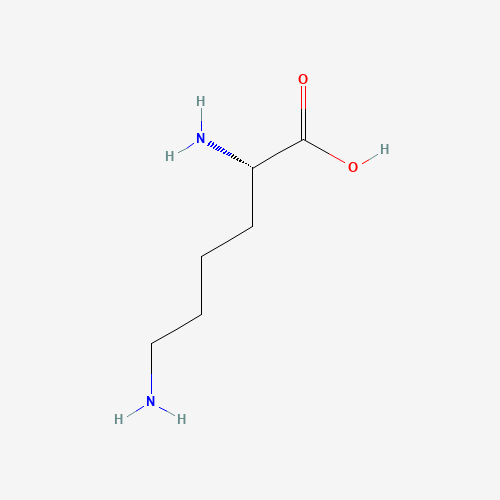
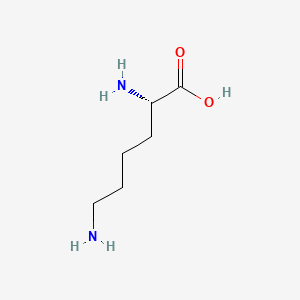
L-Lysine (abbreviated as Lys or K) is an alpha-amino acid with the chemical formula HO2CCH(NH2)(CH2)4NH2. This amino acid is an essential amino acid, which means that humans cannot synthesize it. Its codons are AAA and AAG.
L-Lysine is a base, as are arginine and histidine. The epsilon-amino group often participates in hydrogen bonding and as a general base in catalysis. Common posttranslational modifications include methylation of the epsilon-amino group, giving methyl-, dimethyl-, and trimethyllysine. The latter occurs in calmodulin. Other posttranslational modifications include acetylation. Collagen contains hydroxylysine which is derived from lysine by lysyl hydroxylase. O-Glycosylation of lysine residues in the endoplasmic reticulum or Golgi apparatus is used to mark certain proteins for secretion from the cell.L-lysine is an essential amino acid. Normal requirements for lysine have been found to be about 8 g per day or 12 mg/kg in adults. Children and infants need more- 44 mg/kg
Effective at 0.35%
Solubility 1000000
Formula
C6H14N2O2
Mol. Weight
146.19
CAS #
56-87-1
Form
Liquid
State
Liquid
See origin →
Functions
Skin Conditioning
A catch-all term for ingredients that improve how skin looks and feels — softer, smoother, more supple. The workhorse behind most moisturizers.
Reduces Static
Conditions Hair
Conditions Skin
Softens & Smooths
Reduces Flyaways
Detangles Hair
Traditional Use
An amino acid discovered in the late 19th century. While primarily known for internal immune support, L-lysine has been studied since the 1980s for skincare applications, particularly for supporting skin barrier function and reducing inflammation.
Skin Types
●all-skin-types
Best For
General
Pregnancy & Breastfeeding Safe
Yes
EWG
1
CIR
Safe
Pregnancy
Yes
CIR Safety Findings
Not Phototoxic
all-shades-safe
Concentration Guide
2e-05%
0.7%
0%100%
Effective Range
CIR reported use: 0.0009-0.001 | 0.00002-0.7 | 0.00003-0.6
Regulatory Agencies
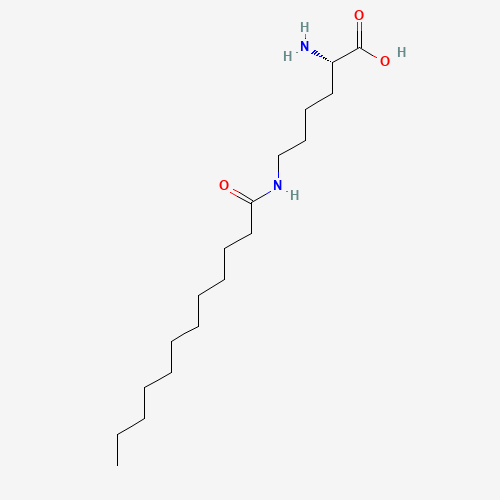
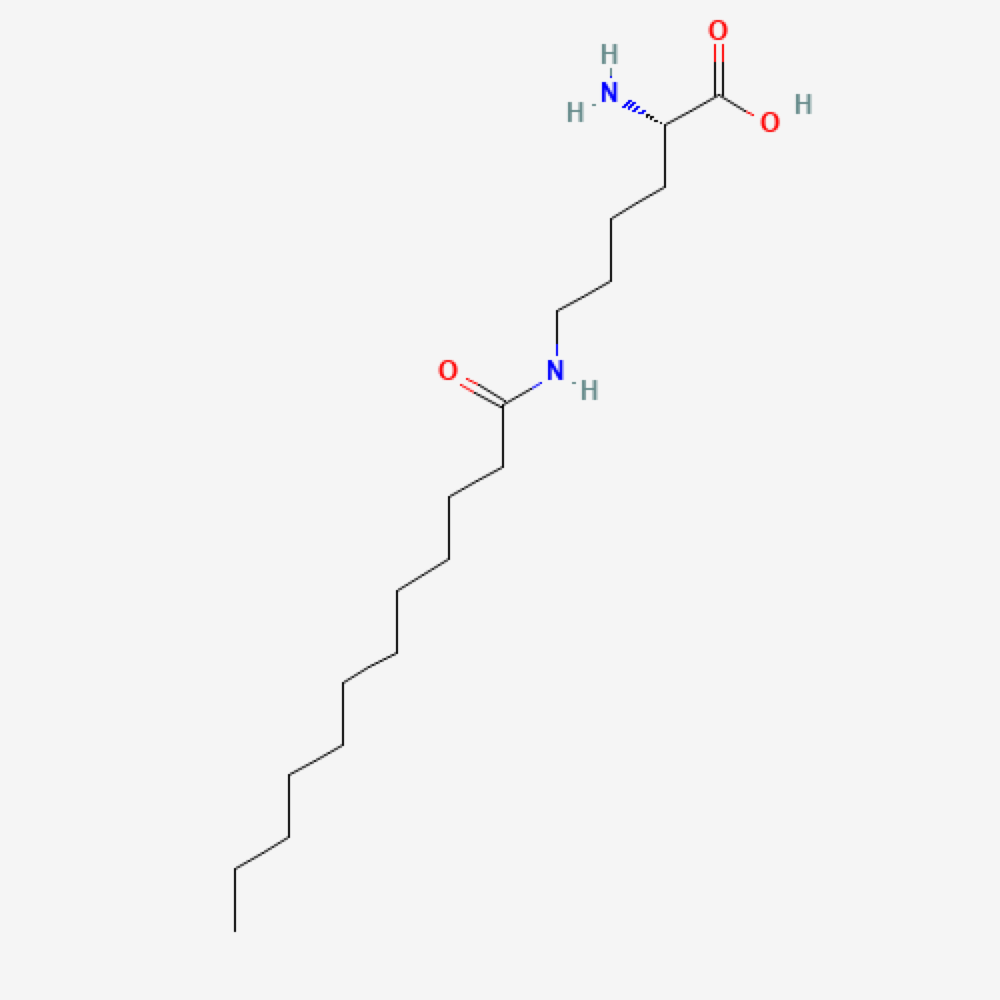
Lauroyl Lysine
European Commission
EU Cosmetic Ingredient Database (CosIng)
Lysine HCl
European Commission
EU Cosmetic Ingredient Database (CosIng)
Safety and efficacy of l-lysine monohydrochloride and concentrated liquid l-lysine (base) produced by fermentation with Corynebacterium glutamicum KCC
EFSA Panel on Additives and Products or Substances used in Animal Feed (FEEDAP), Bampidis V, Azimonti G, Bastos ML, Christensen H et al.
EFSA journal. European Food Safety Authority, 2020
Lauroyl Lysine
Environmental Working Group (EWG)
EWG Skin Deep Cosmetics Database
Lysine
Environmental Working Group (EWG)
EWG Skin Deep Cosmetics Database
Sodium Dilauramidoglutamide Lysine
Environmental Working Group (EWG)
EWG Skin Deep Cosmetics Database
Novel design of pyrrolidonecarboxylic acid and sodium dilauramidoglutamide lysine complex for targeted drug delivery to human stratum corneum.
Fujii MY, Manabe H, Ogura T
International journal of pharmaceutics, 2025
Verified Jun 2026
Data: PubChem · CosIng · EWG · CIR