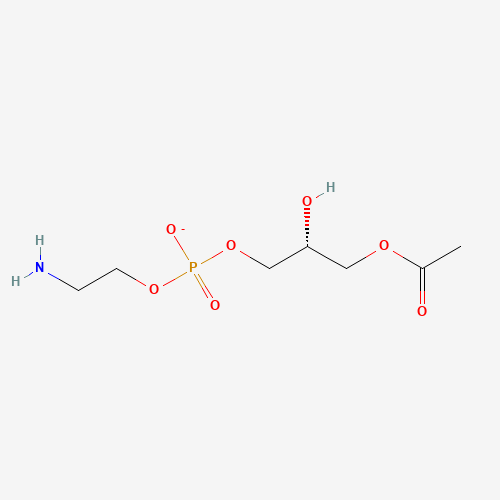
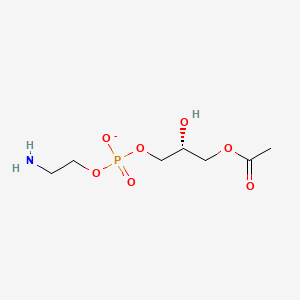
Lysophosphatidylethanolamine
AKA “monoacylglycerophosphoethanolamine, lysophosphatidyl ethanolamine, ((2R)-3-acetyloxy-2-hydroxypropyl) 2-aminoethyl phosphate, [(2R)-3-acetyloxy-2-hydroxypropyl] 2-aminoethyl phosphate, lyso-phosphatidyl ethanolamine, RefChem:154787, CHEBI:64574, GTPL5652, Q27083314
Skin Conditioning
Ingredient Facts
Lysophosphatidylethanolamine
AKA: Monoacylglycerophosphoethanolamine, Lysophosphatidyl ethanolamine, ((2R)-3-acetyloxy-2-hydroxypropyl) 2-aminoethyl phosphate, [(2R)-3-acetyloxy-2-hydroxypropyl] 2-aminoethyl phosphate, Lyso-phosphatidyl ethanolamine, RefChem:154787, CHEBI:64574, GTPL5652, Q27083314
Skin Conditioning · Skin Conditioning · EWG: 4
Synthetic
Skin Conditioner
Barrier Lipid
Not Clean
Lysophosphatidylethanolamine is the hydrolysate of phosphatidylethanolamine obtained by acid, enzyme or other method of hydrolysis
Formula
C7H15NO7P-
Mol. Weight
256.17
Form
Liquid
See origin →
Functions
Skin Conditioning
A catch-all term for ingredients that improve how skin looks and feels — softer, smoother, more supple. The workhorse behind most moisturizers.
Locks in moisture
Traditional Use
A synthetic phospholipid developed in modern cosmetic chemistry as a conditioning and skin-binding agent. No traditional or historical use prior to 20th-century cosmetic formulation.
Skin Types
all-skin-types
Best For
Dryness
Pregnancy & Breastfeeding Safe
Yes
EWG
4
CIR
Safe as used
Pregnancy
Yes
CIR Safety Findings
Not a Sensitizer
medical-approval
all-shades-safe
Regulatory Status
USApermitted
EUpermitted
JAPANpermitted
CANADApermitted
Verified Jun 2026
Data: PubChem · CosIng · EWG · CIR