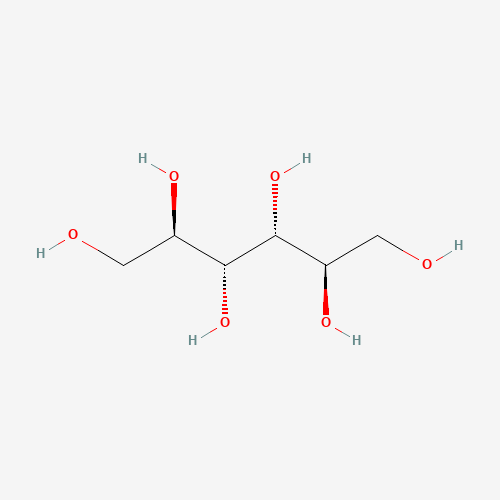
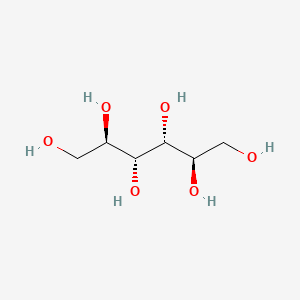
Mannitol
AKA “D-mannitol, 69-65-8, Mannite, Osmitrol, Manna sugar, Cordycepic acid, Diosmol, Resectisol, Mannidex”
Humectant
Ingredient Facts
Mannitol
AKA: D-mannitol, 69-65-8, Mannite, Osmitrol, Manna sugar, Cordycepic acid, Diosmol, Resectisol, Mannidex
Humectant · Humectant · EWG: 1
Synthetic
Humectant
Skin Conditioner
Clean
Mannitol is an osmotic diuretic that is metabolically inert in humans and occurs naturally, as a sugar or sugar alcohol, in fruits and vegetables. Mannitol elevates blood plasma osmolality, resulting in enhanced flow of water from tissues, including the brain and cerebrospinal fluid, into interstitial fluid and plasma. As a result, cerebral edema, elevated intracranial pressure, and cerebrospinal fluid volume and pressure may be reduced. Mannitol may also be used for the promotion of diuresis before irreversible renal failure becomes established; the promotion of urinary excretion of toxic substances; as an Antiglaucoma agent; and as a renal function diagnostic aid. On October 30, 2020, mannitol was approved by the FDA as add-on maintenance therapy for the control of pulmonary symptoms associated with cystic fibrosis in adult patients and is currently marketed for this indication under the name BRONCHITOL® by Chiesi USA Inc.
Solubility greater than or equal to 100 mg/mL at 68 °F (NTP, 1992)
Formula
C6H14O6
Mol. Weight
182.17
CAS #
69-65-8
Form
Powder
State
D-mannitol appears as odorless white crystalline powder or free-flowing granules. Sweet taste. (NTP, 1992)
See origin →
Functions
Binding
Humectant
A moisture magnet. Pulls water from the air and deeper skin layers up to the surface to keep skin plump and hydrated.
Moisturising
Skin Conditioning
A catch-all term for ingredients that improve how skin looks and feels — softer, smoother, more supple. The workhorse behind most moisturizers.
Locks In Moisture
Traditional Use
A naturally occurring sugar alcohol discovered in manna ash in the 17th century, first isolated and synthesized in the 19th century. Originally used as a sweetener before adoption in cosmetics as a humectant and anti-caking agent in the 20th century.
Skin Types
●all-skin-types
Best For
Dehydration
Pregnancy & Breastfeeding Safe
Yes
Safety Assessment of Mannitol, Sorbitol, and Xylitol as U...
Priya Cherian, Wilma F Bergfeld, Donald V Belsito, Curtis D Klaassen, Daniel C Liebler, James G Marks + 6 more
International journal of toxicology, 2025
Safety Assessment of Mannitol, Sorbitol and Xylitol as Used in Cosmetics
Cosmetic Ingredient Review (CIR) Expert Panel
International Journal of Toxicology
Mannitol
European Commission
EU Cosmetic Ingredient Database (CosIng)
Mannitol
Environmental Working Group (EWG)
EWG Skin Deep Cosmetics Database
Mannitol Is a Good Anticaking Agent for Spray-Dried Hydroxypropyl-Beta-Cyclodextrin Microcapsules.
Kou X, Zhang X, Cheng Y, Yu M, Meng Q et al.
Molecules (Basel, Switzerland), 2023
Glycyrrhizin and Mannitol Nasal Therapy: Cytological and ...
Giulio Pagliuca, Veronica Clemenzi, Salvatore Martellucci, Francesco Gazia, Sara Santarsiero, Luigi Farina + 2 more
International archives of otorhinolaryngology, 2023
Verified Jun 2026
Data: PubChem · CosIng · EWG · CIR