



Methyl Alcohol
AKA “methanol, 67-56-1, wood alcohol, Methylol, Wood naphtha, Methyl hydroxide, Monohydroxymethane, Methylalkohol, Alcool methylique”
Ingredient
Ingredient Facts
Methyl alcohol
AKA: Methanol, 67-56-1, Wood alcohol, Methylol, Wood naphtha, Methyl hydroxide, Monohydroxymethane, Methylalkohol, Alcool methylique
Ingredient · Denaturant · EWG: 4
Synthetic
Solvent
Not Clean
Methanol is the simplest alcohol, and is a light, volatile, colourless, flammable, poisonous liquid with a distinctive odor that is somewhat milder and sweeter than ethanol (Wikipedia). Methanol is responsible for accidental, suicidal, and epidemic poisonings, resulting in death or permanent sequelae. Toxicity is due to the metabolic products of alcohol dehydrogenase (ADH) and aldehyde dehydrogenase. (A7768). The rapid and accurate diagnosis of toxic alcohol poisoning due to methanol (methyl alcohol) is paramount in preventing serious adverse outcomes. The quantitative measurement of specific serum levels of methanol using gas chromatography is expensive, time consuming and generally only available at major tertiary-care facilities. (A7769).
Solubility greater than or equal to 100 mg/mL at 70 °F (NTP, 1992)
Formula
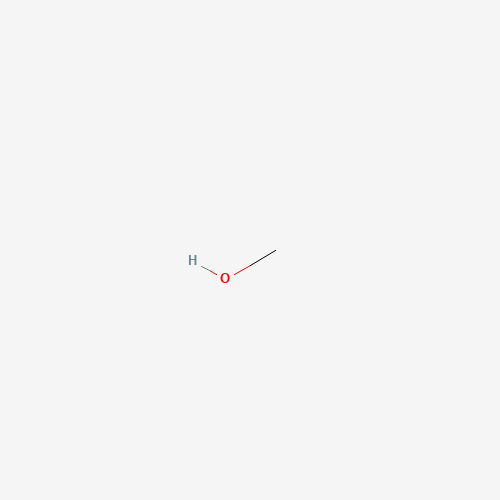
CH4O
Mol. Weight
32.04
CAS #
67-56-1
Form
Liquid
State
Methanol appears as a colorless fairly volatile liquid with a faintly sweet pungent odor like that of ethyl alcohol. Completely mixes with water. The vapors are slightly heavier than air and may trave
See origin →
Functions
Denaturant
Solvent
Dissolves other ingredients so they distribute evenly in the formula. Often the invisible "base" everything else is mixed into.
Antioxidant
Provides scent
Makes alcohol undrinkable
Dissolves other ingredients
Traditional Use
Methanol was first isolated in the late 18th century. Used in cosmetics as a solvent and preservative booster, though its use is restricted in topical products due to toxicity concerns.
Skin Types
●all-skin-types
Best For
General
Pregnancy & Breastfeeding Safe
Caution
EWG
4
CIR
Safe as used
Pregnancy
Caution
CIR Safety Findings
medical-approval
all-shades-safe
Concentration Guide
5%
0%7%
Reg. Limit
EU regulatory limit: 5%. % of ethanol and isopropyl alcohol) Source: EU Cosmetics Regulation (EC) 1223/2009, Annex III (Restricted Substances), Entry 52.
Regulatory Agencies
Final Report on the Safety Assessment of Methyl Alcohol
Cosmetic Ingredient Review (CIR) Expert Panel
International Journal of Toxicology
Methyl Alcohol
Cosmetic Ingredient Review (CIR) Expert Panel
International Journal of Toxicology
HDI/Trimethylol Hexyllactone Crosspolymer
European Commission
EU Cosmetic Ingredient Database (CosIng)
Isostearoyl Trimellitic Anhydride/Trimethylolpropane Copolymer
European Commission
EU Cosmetic Ingredient Database (CosIng)
Methyl Alcohol
European Commission
EU Cosmetic Ingredient Database (CosIng)
Trimethylolpropane Trimethacrylate
European Commission
EU Cosmetic Ingredient Database (CosIng)
HDI/Trimethylol Hexyllactone Crosspolymer
Environmental Working Group (EWG)
EWG Skin Deep Cosmetics Database
Trimethylolpropane Trimethacrylate
Environmental Working Group (EWG)
EWG Skin Deep Cosmetics Database
Methyl alcohol
Health Canada
Health Canada Cosmetic Ingredient Hotlist
Direct synthesis of dimethyl carbonate from methanol and carbon dioxide over CeO2(X)-ZnO(1-X) nano-catalysts.
Kang KH, Joe W, Lee CH, Kim M, Kim DB et al.
Journal of nanoscience and nanotechnology, 2013
Methyl Alcohol.
Raj PS, Bergfeld WF, Belsito DV, Cohen DE, Klaassen CD et al.
International journal of toxicology, 2023
Verified Jun 2026
Data: PubChem · CosIng · EWG · CIR