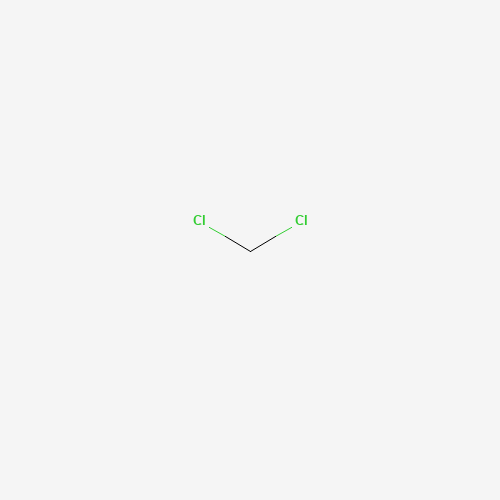
Methylene Chloride
AKA “DICHLOROMETHANE, 75-09-2, Methylene dichloride, Methane, dichloro-, Methylene bichloride, Methane dichloride, Solaesthin, Solmethine, Narkotil”
Ingredient
Ingredient Facts
Methylene chloride
AKA: DICHLOROMETHANE, 75-09-2, Methylene dichloride, Methane, Dichloro-, Methylene bichloride, Methane dichloride, Solaesthin, Solmethine, Narkotil
Ingredient · Viscosity Controlling · EWG: 4
Synthetic
Not Clean
Methylene Chloride is a clear, colorless, nonflammable, volatile liquid chlorinated hydrocarbon with a sweet, pleasant smell and emits highly toxic fumes of phosgene when heated to decomposition. Methylene chloride is primarily used as a solvent in paint removers, but is also used in aerosol formulations, as a solvent in the manufacture of pharmaceuticals, as a degreasing agent, in electronics manufacturing and as an ethane foam blowing agent. Inhalation exposure to this substance irritates the nose and throat and affects the central nervous system. Methylene chloride is a possible mutagen and is reasonably anticipated to be a human carcinogen. (NCI05)
Solubility 10 to 50 mg/mL at 70 °F (NTP, 1992)
Formula
CH2Cl2
Mol. Weight
84.93
CAS #
75-09-2
Form
Liquid
State
Dichloromethane appears as a colorless liquid with a sweet, penetrating, ether-like odor. Noncombustible by if exposed to high temperatures may emit toxic chloride fumes. Vapors are narcotic in high c
See origin →
Functions
Viscosity Controlling
Dissolves Ingredients
Antioxidant Protection
Reduces Inflammation
Wound Healing
Traditional Use
A synthetic solvent developed in the early 20th century, used historically in cosmetics manufacturing and as a paint stripper. Largely phased out of consumer cosmetics due to health concerns.
Skin Types
●all-skin-types
Best For
General
Pregnancy & Breastfeeding Safe
No
EWG
4
CIR
Safe as used
Pregnancy
No
CIR Safety Findings
Not a Sensitizer
medical-approval
all-shades-safe
Concentration Guide
35.0%
0%49%
Reg. Limit
EU regulatory limit: 35.0%. 35% (when mixed with 1,1,1 -trichloroethane, total concentration must not exceed 35%) Source: EU Cosmetics Regulation (EC) 1223/2009, Annex III (Restricted Substances), Entry 7.
Regulatory Agencies
Final Report on the Safety Assessment of Methylene Chloride
Cosmetic Ingredient Review (CIR) Expert Panel
International Journal of Toxicology
2,3-Dichloro-2-methylbutane
Health Canada
Health Canada Cosmetic Ingredient Hotlist
Methylene chloride
Health Canada
Health Canada Cosmetic Ingredient Hotlist
Trichloronitromethane
Health Canada
Health Canada Cosmetic Ingredient Hotlist
Encapsulation of the UV filters ethylhexyl methoxycinnamate and butyl methoxydibenzoylmethane in lipid microparticles: effect on in vivo human skin pe
Scalia S, Mezzena M, Ramaccini D
Skin pharmacology and physiology, 2011
Verified Jun 2026
Data: PubChem · CosIng · EWG · CIR