
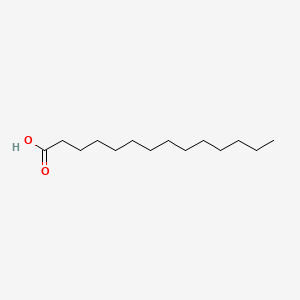
Myristic Acid
AKA “Tetradecanoic acid, 544-63-8, n-Tetradecanoic acid, n-Tetradecan-1-oic acid, Crodacid, 1-Tridecanecarboxylic acid, n-Tetradecoic acid, Hydrofol acid 1495, Univol U 316S”
Acid
Ingredient Facts
Myristic acid
AKA: Tetradecanoic acid, 544-63-8, N-Tetradecanoic acid, N-Tetradecan-1-oic acid, Crodacid, 1-Tridecanecarboxylic acid, N-Tetradecoic acid, Hydrofol acid 1495, Univol U 316S
Acid · Cleansing · EWG: 1
Plant-Derived Synthetic
Cleanser
Fragrance
Emulsifier
Acid
Clean
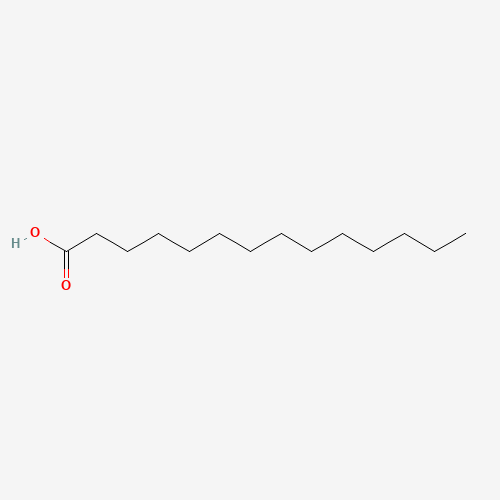
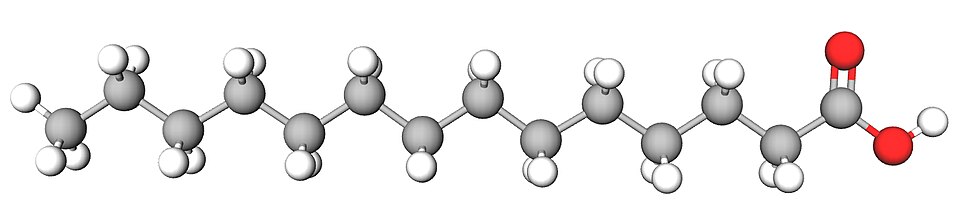
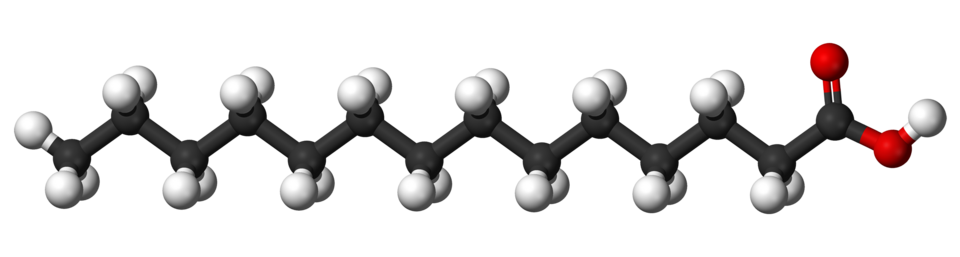
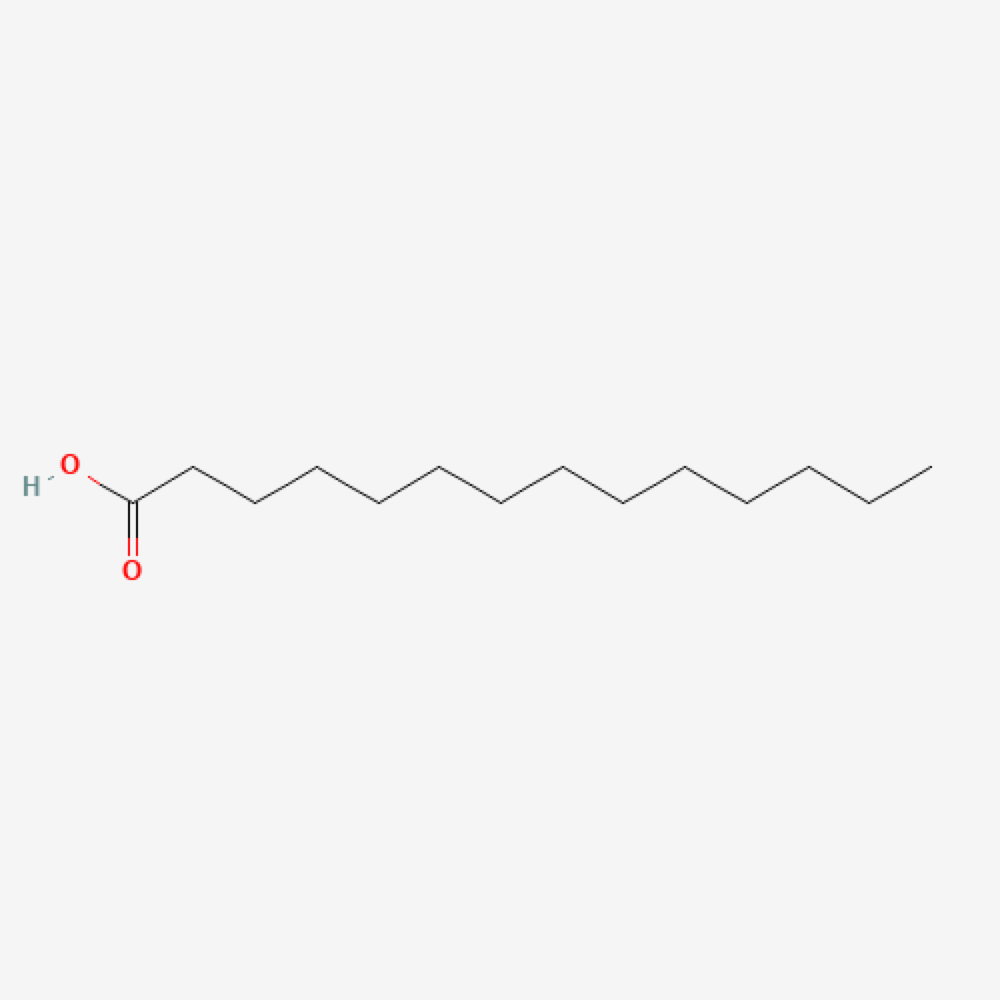
Myristic acid is a saturated 14-carbon fatty acid occurring in most animal and vegetable fats, particularly butterfat and coconut, palm, and nutmeg oils. It is used to synthesize flavor and as an ingredient in soaps and cosmetics. (From Dorland, 28th ed). Myristic acid is also commonly added to a penultimate nitrogen terminus glycine in receptor-associated kinases to confer the membrane localisation of the enzyme. this is achieved by the myristic acid having a high enough hydrophobicity to become incorporated into the fatty acyl core of the phospholipid bilayer of the plasma membrane of the eukaryotic cell.(wikipedia).
Solubility less than 1 mg/mL at 64 °F (NTP, 1992)
Formula
C14H28O2
Mol. Weight
228.37
CAS #
544-63-8
Form
Liquid
See origin →
Functions
Cleansing
Makes oil and water mix so dirt, makeup, and sunscreen can actually be washed away. The reason your face wash foams.
Perfuming
Added for scent. Can be natural or synthetic. Common irritant and allergen — one of the top reasons people react to products.
Emulsifying
Forces oil and water to stay mixed instead of separating into layers. The unsung hero holding your lotion together.
Opacifying
Surfactant Cleansing
Anti-Aging
Antioxidant
Anti-Inflammatory
Lifts away dirt and oil
Adds pleasant scent
Creates creamy opacity
Traditional Use
A saturated fatty acid naturally present in nutmeg, coconut oil, and palm oil. Traditionally used in soap and candle production; incorporated into cosmetics for its emulsifying and cleansing properties.
Skin Types
●all-skin-types, gentle
Best For
Dryness
Pregnancy & Breastfeeding Safe
Yes
Myristic acid reduces skin inflammation and nociception.
Alonso-Castro AJ, Serrano-Vega R, Pérez Gutiérrez S, Isiordia-Espinoza MA, Solorio-Alvarado CR
Journal of food biochemistry, 2022
Final Report of the Amended Safety Assessment of Myristic Acid and its Salts and Esters as Used in Cosmetics
Cosmetic Ingredient Review (CIR) Expert Panel
International Journal of Toxicology
Final Report on the Safety Assessment of Oleic Acid, Lauric Acid, Palmitic Acid, Myristic Acid, and Stearic Acid
Cosmetic Ingredient Review (CIR) Expert Panel
International Journal of Toxicology
Methyl Myristic Acid
European Commission
EU Cosmetic Ingredient Database (CosIng)
Myristic Acid
European Commission
EU Cosmetic Ingredient Database (CosIng)
Myristic Acid
Environmental Working Group (EWG)
EWG Skin Deep Cosmetics Database
Verified Jun 2026
Data: PubChem · CosIng · EWG · CIR