
Oleic Acid
AKA “112-80-1, cis-9-Octadecenoic acid, (Z)-Octadec-9-enoic acid, cis-Oleic acid, Wecoline OO, Elaidoic acid, Vopcolene 27, Glycon wo, Glycon RO”
Acid
Ingredient Facts
Oleic acid
AKA: 112-80-1, Cis-9-Octadecenoic acid, (Z)-Octadec-9-enoic acid, Cis-Oleic acid, Wecoline OO, Elaidoic acid, Vopcolene 27, Glycon wo, Glycon RO
Acid · Emollient · EWG: 1
Plant-Derived Synthetic
Emollient
Cleanser
Emulsifier
Skin Conditioner
Acid
Clean
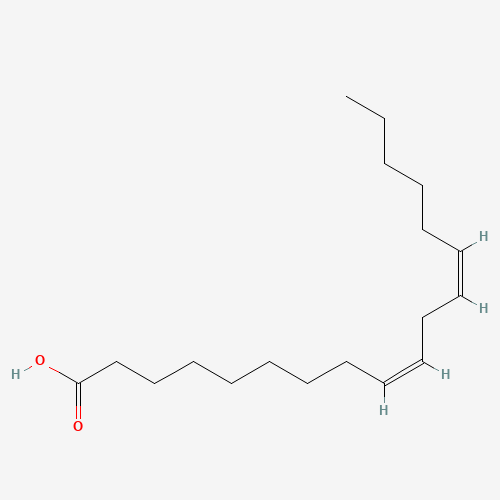
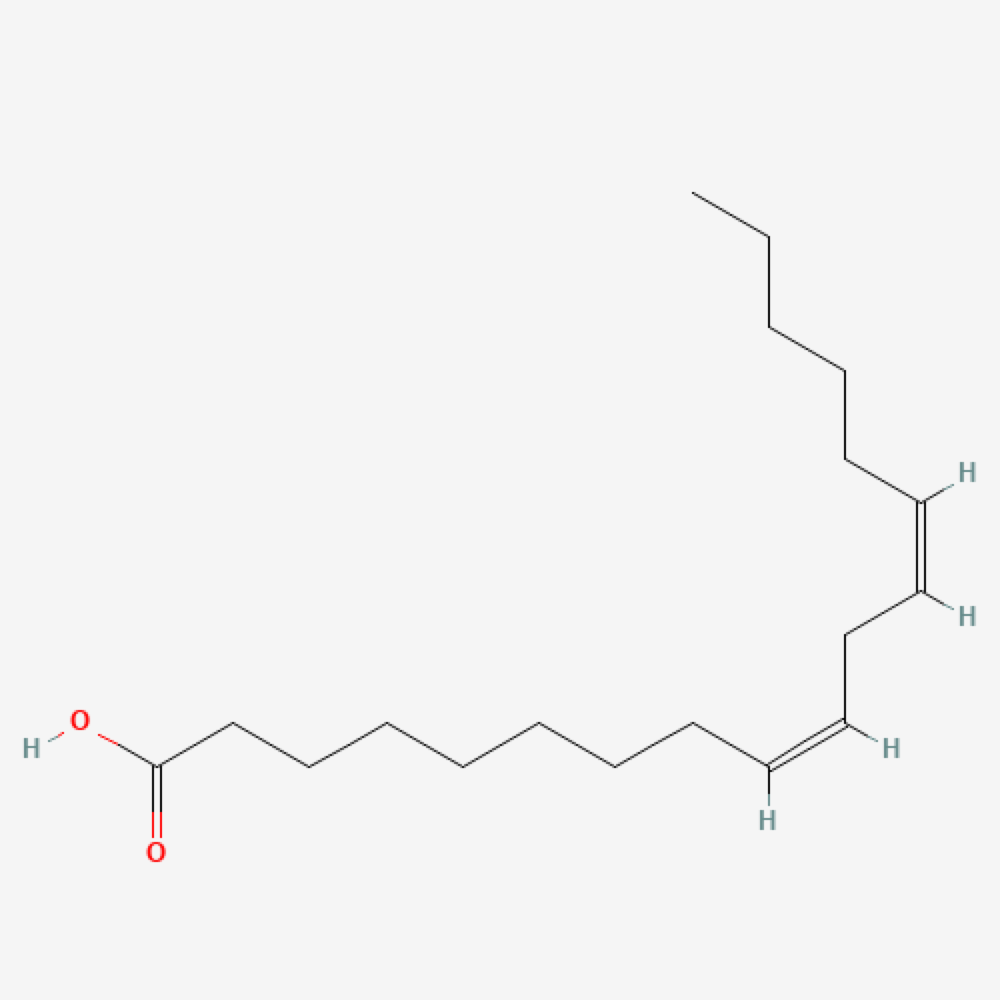
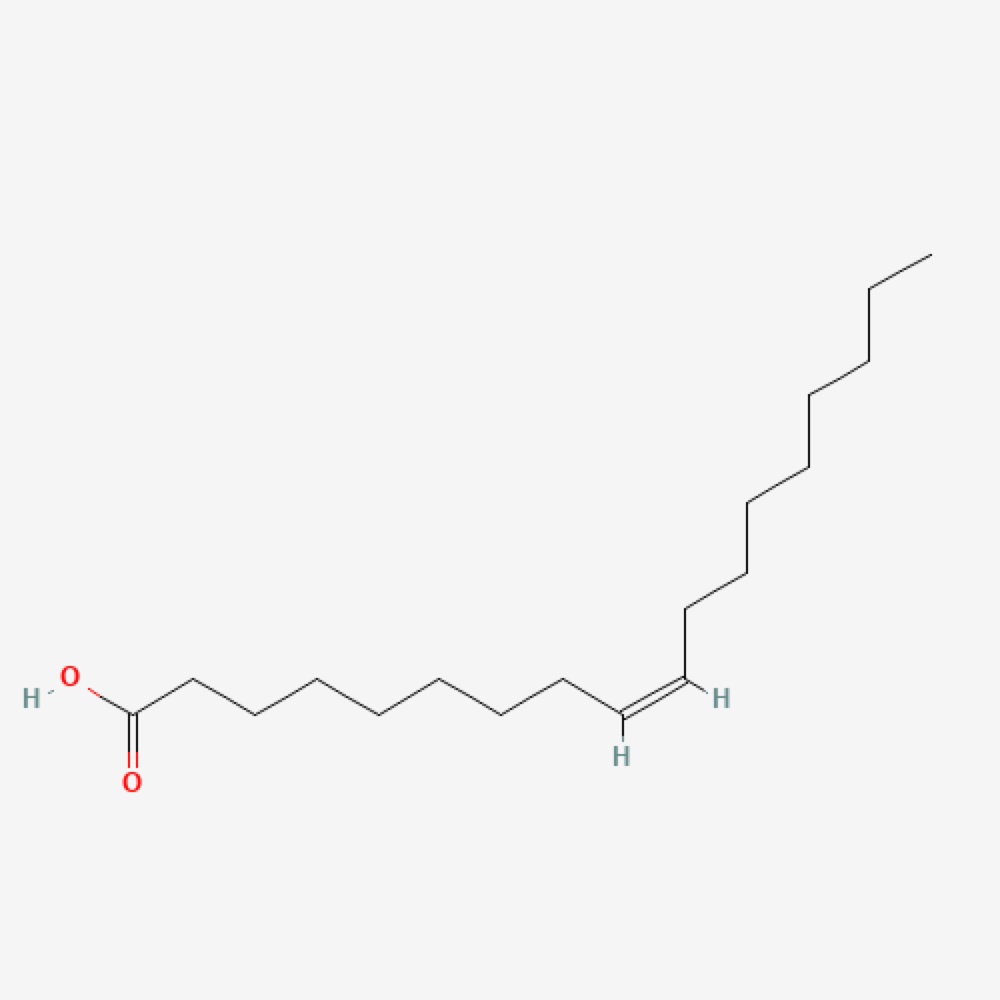
Oleic acid is an unsaturated fatty acid that occurs naturally in various animal and vegetable fats and oils. It is an odorless, colourless oil, although commercial samples may be yellowish. In chemical terms, oleic acid is classified as a monounsaturated omega-9 fatty acid. It has the formula CH3(CH2)7CH=CH(CH2)7COOH. The term "oleic" means related to, or derived from, oil or olive, the oil that is predominantly composed of oleic acid. Oleic acid is the most widely distributed and abundant fatty acid in nature. It is used commercially in the preparation of oleates and lotions, and as a pharmaceutical solvent. Oleic acid is a major constituent of plant oils e.g. olive oil (about 80%), almond oil (about 80%) and many others, mainly as glyceride. It is also a constituent of tall oil and present in fruits. Oleic acid is a food additive and is used in manufacturing of surfactants, soaps, plasticizers. It is also an emulsifying agent in foods and pharmaceuticals. Oleic acid is a known skin
Solubility Insoluble (NTP, 1992)
Formula
C18H34O2
Mol. Weight
282.50
CAS #
112-80-1
Form
Liquid
See origin →
Functions
Emollient
Fills in the tiny cracks between skin cells to make everything feel smooth and soft. The "silky finish" ingredient.
Emulsifying
Forces oil and water to stay mixed instead of separating into layers. The unsung hero holding your lotion together.
Locks In Moisture
Traditional Use
A monounsaturated fatty acid found abundantly in olive oil, avocado, and other botanical sources used for millennia. Historically valued in skin care for its penetrating and emollient properties.
Skin Types
●all-skin-types, gentle
Best For
Dryness
Pregnancy & Breastfeeding Safe
Yes
Final Report on the Safety Assessment of Oleic Acid, Lauric Acid, Palmitic Acid, Myristic Acid, and Stearic Acid
Cosmetic Ingredient Review (CIR) Expert Panel
International Journal of Toxicology
Final Report on the Safety Assessment of Ricinus Communis (Castor) Seed Oil, Hydrogenated Castor Oil, Glyceryl Ricinoleate, Glyceryl Ricinoleate SE, Ricinoleic Acid, Potassium Ricinoleate, Sodium Rici
Cosmetic Ingredient Review (CIR) Expert Panel
International Journal of Toxicology
Dilinoleic Acid/Butanediol Copolymer
European Commission
EU Cosmetic Ingredient Database (CosIng)
Isomerized Linoleic Acid
European Commission
EU Cosmetic Ingredient Database (CosIng)
Oleic Acid
European Commission
EU Cosmetic Ingredient Database (CosIng)
PEG-8 Dimethicone/Dimer Dilinoleic Acid Copolymer
European Commission
EU Cosmetic Ingredient Database (CosIng)
Ricinoleic Acid
European Commission
EU Cosmetic Ingredient Database (CosIng)
Trilinoleic Acid
European Commission
EU Cosmetic Ingredient Database (CosIng)
Dilinoleic Acid
Environmental Working Group (EWG)
EWG Skin Deep Cosmetics Database
Dilinoleic Acid/Butanediol Copolymer
Environmental Working Group (EWG)
EWG Skin Deep Cosmetics Database
Isomerized Linoleic Acid
Environmental Working Group (EWG)
EWG Skin Deep Cosmetics Database
Linoleic Acid
Environmental Working Group (EWG)
EWG Skin Deep Cosmetics Database
Oleic Acid
Environmental Working Group (EWG)
EWG Skin Deep Cosmetics Database
Ricinoleic Acid
Environmental Working Group (EWG)
EWG Skin Deep Cosmetics Database
Efficacy of an emollient containing diethylene glycol/dilinoleic acid copolymer for the treatment of dry skin and pruritus in patients with senile xer
Izumi R, Negi O, Suzuki T, Tominaga M, Kamo A et al.
Journal of cosmetic dermatology, 2017
Time-Dependent Differences in the Effects of Oleic Acid and Oleyl Alcohol on the Human Skin Barrier.
Kováčik A, Kopečná M, Hrdinová I, Opálka L, Boncheva Bettex M et al.
Molecular pharmaceutics, 2023
Linoleic Acid Induced Changes in SZ95 Sebocytes-Compariso...
Dóra Kovács, Emanuela Camera, Szilárd Póliska, Alessia Cavallo, Miriam Maiellaro, Katalin Dull + 4 more
Nutrients, 2023
Effect of a combination of medium chain triglycerides, linoleic acid, soy lecithin and vitamins A and E on wound healing in rats.
Magalhães MS, Fechine FV, Macedo RN, Monteiro DL, Oliveira CC et al.
Acta cirurgica brasileira, 2008
Resolved Psoriasis with Abundant Oleic Acid in Stratum Co...
Yasmin El Mahi, Alexis Varin, Mathieu Vetter, Ludivine Dal Zuffo, Loïc Mazzeo, Jean-Paul Pais De Barros + 3 more
The Journal of investigative dermatology, 2023
Resolved Psoriasis with Abundant Oleic Acid in Stratum Co...
Yasmin El Mahi, Alexis Varin, Mathieu Vetter, Ludivine Dal Zuffo, Loïc Mazzeo, Jean-Paul Pais De Barros + 3 more
The Journal of investigative dermatology, 2023
Differentiation of Malassezia species: selectivity of cremophor EL, castor oil and ricinoleic acid for M. furfur.
Mayser P, Haze P, Papavassilis C, Pickel M, Gruender K et al.
The British journal of dermatology, 1997
Differentiation of Malassezia species: selectivity of cremophor EL, castor oil and ricinoleic acid for M. furfur.
Mayser P, Haze P, Papavassilis C, Pickel M, Gruender K et al.
The British journal of dermatology, 1997
Differentiation of Malassezia species: selectivity of cremophor EL, castor oil and ricinoleic acid for M. furfur.
Mayser P, Haze P, Papavassilis C, Pickel M, Gruender K et al.
The British journal of dermatology, 1997
Fatty acid composition and productive traits of broiler fed diets containing conjugated linoleic acid.
Sirri F, Tallarico N, Meluzzi A, Franchini A
Poultry science, 2003
The Role of Linoleic Acid in Skin and Hair Health: A Review.
Xi Wang, Yan Jia, Huaming He
International journal of molecular sciences, 2024
The Role of Linoleic Acid in Skin and Hair Health: A Review.
Xi Wang, Yan Jia, Huaming He
International journal of molecular sciences, 2024
Verified Jun 2026
Data: PubChem · CosIng · EWG · CIR