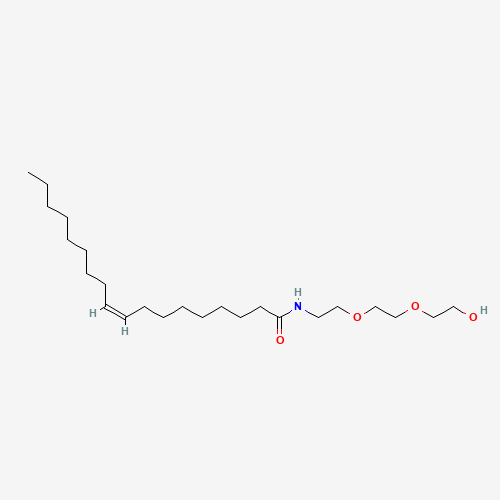
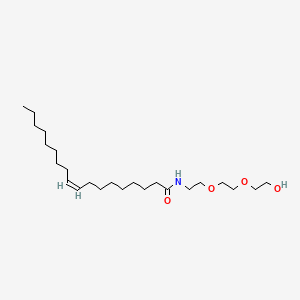
PEG-4 Oleamide
AKA “PEG-3 oleamide, 26027-37-2, UNII-T8GTI4F10C, UNII-4NB73D88QV, 1R82R14626, UNII-1R82R14626, RefChem:170681, PEG-3 OLEAMIDE [INCI], POE OLEIC AMIDE, (Z)-N-[2-[2-(2-hydroxyethoxy)ethoxy]ethyl]octadec-9-enamide”
Surfactant
Ingredient Facts
Peg-4 oleamide
AKA: PEG-3 oleamide, 26027-37-2, UNII-T8GTI4F10C, UNII-4NB73D88QV, 1R82R14626, UNII-1R82R14626, RefChem:170681, PEG-3 OLEAMIDE [INCI], POE OLEIC AMIDE, (Z)-N-[2-[2-(2-hydroxyethoxy)ethoxy]ethyl]octadec-9-enamide
Surfactant · Emulsifying · EWG: 4
Synthetic
Cleanser
Emulsifier
Not Clean
Poly(oxy-1,2-ethanediyl), .alpha.-[2-[(1-oxo-9-octadecenyl)amino]ethyl]-.omega.-hydroxy- (4 mol EO average molar ratio)
Formula
C24H47NO4
Mol. Weight
413.60
CAS #
26027-37-2
See origin →
Functions
Emulsifying
Forces oil and water to stay mixed instead of separating into layers. The unsung hero holding your lotion together.
Emulsifier
Locks In Moisture
Wound Healing
Antioxidant Protection
Mixes Oil & Water
Traditional Use
Synthetic surfactant created in the mid-20th century from oleic acid (plant-derived fatty acid) and polyethylene glycol. Developed as a conditioning agent and emulsifier for cosmetics.
Skin Types
●all-skin-types
Best For
General
Pregnancy & Breastfeeding Safe
Yes
EWG
4
CIR
Safe as used
Pregnancy
Yes
CIR Safety Findings
Not a Sensitizer
medical-approval
all-shades-safe
Concentration Guide
Dermal absorption: 100%. Source: CIR Safety Assessment (CIR Seq 772).
Regulatory Agencies
Verified Jun 2026
Data: PubChem · CosIng · EWG · CIR