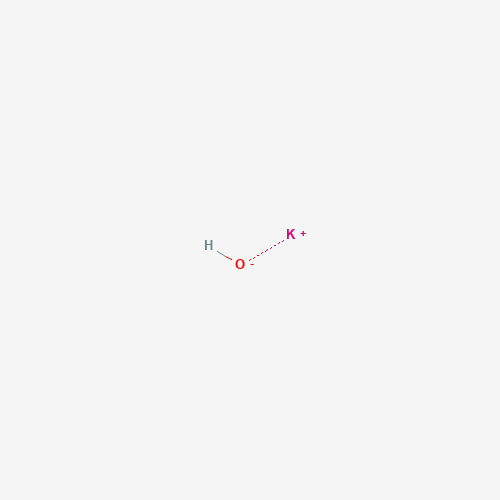
Potassium Hydroxide
AKA “1310-58-3, Caustic potash, Potash lye, Potassium hydrate, Potassium hydroxide (K(OH)), Hydroxyde de potassium, Potassa, Potasse caustique, Caustic-potash”
Ingredient
Ingredient Facts
Potassium hydroxide
AKA: 1310-58-3, Caustic potash, Potash lye, Potassium hydrate, Potassium hydroxide (K(OH)), Hydroxyde de potassium, Potassa, Potasse caustique, Caustic-potash
Ingredient · Buffering · EWG: 5
Synthetic
Not Clean
Potassium hydroxide, also known as lye is an inorganic compound with the chemical formula KOH. Also commonly referred to as caustic potash, it is a potent base that is marketed in several forms including pellets, flakes, and powders. It is used in various chemical, industrial and manufacturing applications. Potassium hydroxide is also a precursor to other potassium compounds. Potassium hydroxide is used in food to adjust pH, as a stabilizer, and as a thickening agent. This ingredient has been considered as generally safe as a direct human food ingredient by the FDA, based upon the observance of several good manufacturing practice conditions of use. In addition to the above uses, potassium hydroxide is also used in making soap, as an electrolyte in alkaline batteries and in electroplating, lithography, and paint and varnish removers. Liquid drain cleaners contain 25 to 36% of potassium hydroxide. Medically, potassium hydroxide (KOH) is widely used in the wet mount preparation of var
Solubility 107 g/100 cc at 59 °F (NTP, 1992)
Formula
HKO
Mol. Weight
56.11
CAS #
1310-58-3
Form
Powder
State
Potassium hydroxide, solution appears as an clear aqueous solution. Corrosive to metals and tissue. Noncombustible. Used in chemical manufacturing, petroleum refining, cleaning compounds.
See origin →
Functions
Buffering
Stabilizes pH
Reduces Inflammation
Brightens Skin
Traditional Use
Known historically as potash, potassium hydroxide was traditionally derived from wood ash leaching and used for soap-making since ancient times. Became commercially synthesized in the 19th century and remains a key ingredient in modern soap and alkaline cosmetic formulations.
Skin Types
●all-skin-types
Best For
General
Pregnancy & Breastfeeding Safe
Caution
EWG
5
CIR
Safe as used
Pregnancy
Caution
CIR Safety Findings
Not a Sensitizer
medical-approval
all-shades-safe
Concentration Guide
5.0%
0%7%
Reg. Limit
EU regulatory limit: 5.0%. (a) 5% (5) (b) 1. 2% (5) 2. 4.5% (5). (a) Contains alkali Avoid contact with eyes Can cause blindness Keep out of reach of children (b) 1. Contains alkali Avoid contact with eyes Can cause blindness Keep out of reach of children 2. F... Source: EU Cosmetics Regulation (EC) 1223/2009, Annex III (Restricted Substances), Entry 15a.
Regulatory Agencies
Gentle Daily Peel
Indie Lee
[Travel Size] Restorative Hand Cream (20ml)
Grown Alchemist
Rich Restorative Hand Cream (65mL)
Grown Alchemist
Regenerating Hand Cream 40ml.
Grown Alchemist
Power Duo
Grown Alchemist
Restorative Hand Cream + Lip Balm Duo
Grown Alchemist
Restorative Hand Cream (65mL)
Grown Alchemist
Advanced Regenerating Eye Cream (15ml)
Grown Alchemist
Hydra-Restore Day Cream
Credo Beauty
Regenerating Night Cream
Credo Beauty
Restorative Hand Cream
Credo Beauty
Verified Jun 2026
Data: PubChem · CosIng · EWG · CIR