Potassium Lactate
AKA “996-31-6, potassium 2-hydroxypropanoate, Monopotassium lactate, Lactic acid, potassium salt, Conclyte K, Monopotassium 2-hydroxypropanoate, monopotassium salt, Propanoic acid, 2-hydroxy-, Potassium alpha-hydroxypropionate”
Humectant
Ingredient Facts
Potassium lactate
AKA: 996-31-6, Potassium 2-hydroxypropanoate, Monopotassium lactate, Lactic acid, Potassium salt, Conclyte K, Monopotassium 2-hydroxypropanoate, Monopotassium salt, Propanoic acid, 2-hydroxy-, Potassium alpha-hydroxypropionate
Humectant · Humectant · EWG: 6
Synthetic
Humectant
Skin Conditioner
Chemical Exfoliant
Not Clean
Based on the available information included in this report, the CIR Expert Panel concludes that Glycolic and Lactic Acid, their common salts and their simple esters, are safe for use in cosmetic products at concentrations less than or equal to 10%, at final formulation pH greater than or equal to 3.5, when formulated to avoid increasing sun sensitivity or when directions for use include the daily use of sun protection. These ingredients are safe for use in salon products at concentrations less than or equal to 30%, at final formulation pH greater than or equal to 3.0, in products designed for brief, discontinuous use followed by thorough rinsing from the skin, when applied by trained professionals, and when application is accompanied by directions for the daily use of sun protection...Potassium Lactate...
Formula
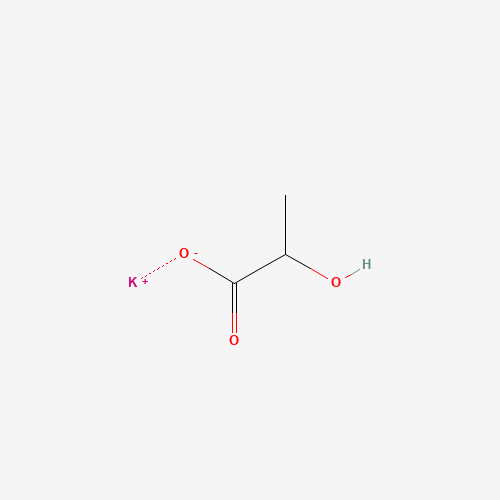
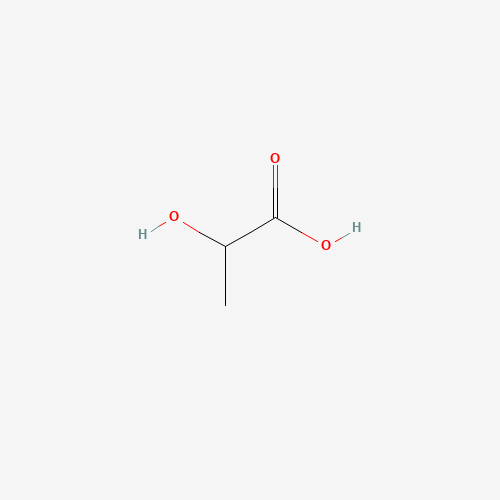
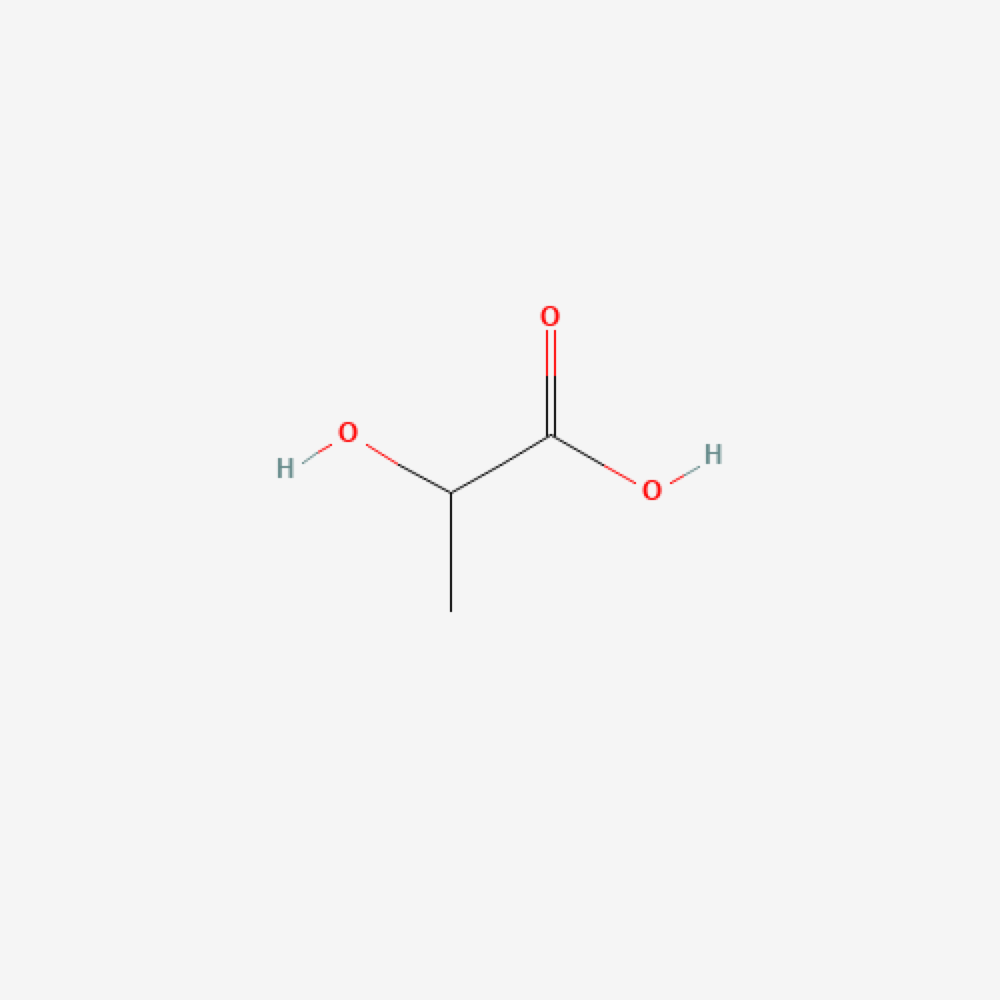
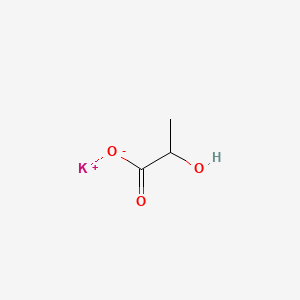
C3H5KO3
Mol. Weight
128.17
CAS #
996-31-6, 85895-78-9
Form
Liquid
State
Liquid
See origin →
Functions
Buffering
Humectant
A moisture magnet. Pulls water from the air and deeper skin layers up to the surface to keep skin plump and hydrated.
Skin Conditioning
A catch-all term for ingredients that improve how skin looks and feels — softer, smoother, more supple. The workhorse behind most moisturizers.
Locks In Moisture
Traditional Use
Derived from lactic acid, which occurs naturally during milk fermentation—a process known since ancient times. Potassium lactate was synthesized in the 20th century for use as a skin humectant and pH buffer in modern skincare formulations.
Skin Types
●all-skin-types
Best For
Dehydration
Pregnancy & Breastfeeding Safe
Yes
EWG
6
CIR
Safe as used
Pregnancy
Yes
CIR Safety Findings
medical-approval
all-shades-safe
Phototoxicity Concern
Concentration Guide
Industry Max
Industry typically uses up to 11.8% in leave-on products (5 products reported). Source: CIR Safety Assessment (CIR Seq 758).
Regulatory Agencies
Nano, micro particulate and cosmetic delivery systems of polylactic acid: A mini review.
Abu Hajleh MN, Al-Samydai A, Al-Dujaili EAS
Journal of cosmetic dermatology, 2020
LDHA-Associated Lactic Acid Production Blunts Tumor Immunosurveillance by T and NK Cells.
Brand A, Singer K, Koehl GE, Kolitzus M, Schoenhammer G et al.
Cell metabolism, 2016
Final Report on the Safety Assessment of Glycolic Acid, Ammonium, Calcium, Potassium, and Sodium Glycolates, Methyl, Ethyl, Propyl, and Butyl Glycolates, and Lactic Acid, Ammonium, Calcium, Potassium,
Cosmetic Ingredient Review (CIR) Expert Panel
International Journal of Toxicology
Final Report: Safety Assessment of Polyhydroxystearic Acid, Poly(3-Hydroxyoctanoic Acid, and Polylactic Acid as Used in Cosmetics
Cosmetic Ingredient Review (CIR) Expert Panel
International Journal of Toxicology
Lactic Acid
European Commission
EU Cosmetic Ingredient Database (CosIng)
Polylactic Acid
European Commission
EU Cosmetic Ingredient Database (CosIng)
Potassium Lactate
European Commission
EU Cosmetic Ingredient Database (CosIng)
Lactic Acid
Environmental Working Group (EWG)
EWG Skin Deep Cosmetics Database
Polylactic Acid
Environmental Working Group (EWG)
EWG Skin Deep Cosmetics Database
Potassium Lactate
Environmental Working Group (EWG)
EWG Skin Deep Cosmetics Database
Effectiveness and Safety of Sculptra Poly-L-Lactic Acid Injectable Implant in the Correction of Cheek Wrinkles.
Fabi S, Hamilton T, LaTowsky B, Kazin R, Marcus K et al.
Journal of drugs in dermatology : JDD, 2024
Physiochemical Characteristics of Poly-L-Lactic Acid (PLLA).
Fitzgerald R, Bass LM, Goldberg DJ, Graivier MH, Lorenc ZP
Aesthetic surgery journal, 2018
Recommendations on the Use of Injectable Poly-L-Lactic Acid for Skin Laxity in Off-Face Areas.
Haddad A, Menezes A, Guarnieri C, Coimbra D, Ribeiro E et al.
Journal of drugs in dermatology : JDD, 2019
Lactic acid
Health Canada
Health Canada Cosmetic Ingredient Hotlist
Lavandula stoechas extract incorporated polylactic acid nanofibrous mats as an antibacterial and cytocompatible wound dressing.
Mutlu B, Çiftçi F, Üstündağ CB, Çakır-Koç R
International journal of biological macromolecules, 2023
Polylactic acid/tapioca starch/banana peel-based material for colorimetric and electrochemical biosensing applications.
Rai P, Mehrotra S, Gautam K, Kar AK, Saxena A et al.
Carbohydrate polymers, 2023
Efficacy and Safety of Poly-l-Lactic Acid in Facial Aesth...
Roberta Signori, Antony de Paula Barbosa, Fernando Cezar-Dos-Santos, Ana Claudia Carbone, Silvio Ventura, Bryanne Brissian de Souza Nobre + 4 more
Polymers, 2024
Efficacy and Safety of Poly-l-Lactic Acid in Facial Aesth...
Roberta Signori, Antony de Paula Barbosa, Fernando Cezar-Dos-Santos, Ana Claudia Carbone, Silvio Ventura, Bryanne Brissian de Souza Nobre + 4 more
Polymers, 2024
Efficacy and Safety of Poly-l-Lactic Acid in Facial Aesth...
Roberta Signori, Antony de Paula Barbosa, Fernando Cezar-Dos-Santos, Ana Claudia Carbone, Silvio Ventura, Bryanne Brissian de Souza Nobre + 4 more
Polymers, 2024
Advancements in chain elongation technology: Transforming lactic acid into caproic acid for sustainable biochemical production.
Suo M, Liu L, Fan H, Li N, Pan H et al.
Bioresource technology, 2025
Verified Jun 2026
Data: PubChem · CosIng · EWG · CIR