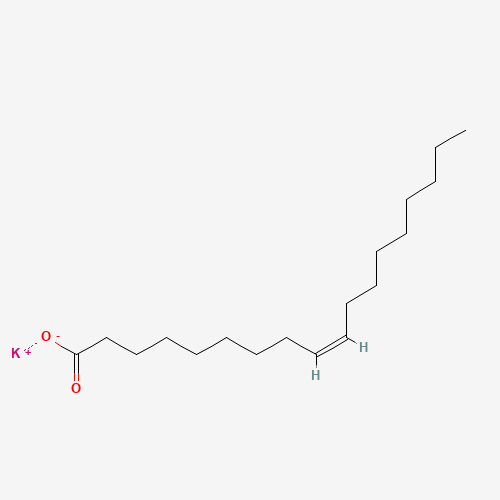
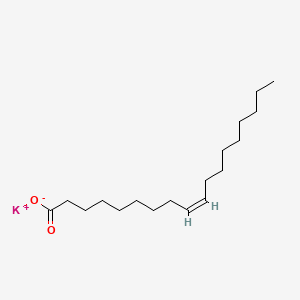
Potassium Oleate
AKA “143-18-0, Oleic acid potassium salt, Trenamine D-200, Trenamine D-201, Caswell No. 698B, HSDB 5643, POTASSIUM CIS-9-OCTADECENOIC ACID, Potassium 9-octadecenoate, (Z)-, EINECS 205-590-5”
Surfactant
Ingredient Facts
Potassium oleate
AKA: 143-18-0, Oleic acid potassium salt, Trenamine D-200, Trenamine D-201, Caswell No. 698B, HSDB 5643, POTASSIUM CIS-9-OCTADECENOIC ACID, Potassium 9-octadecenoate, (Z)-, EINECS 205-590-5
Surfactant · Cleansing · EWG: 1
Synthetic
Cleanser
Emulsifier
Plant Oil
Clean
The CIR Expert Panel concluded that the following ingredients are safe in the present practices of use andconcentration described in the safety assessment when formulated to be non-irritating and non-sensitizing, which may be basedon a QRA...Potassium Oleate..
Solubility greater than or equal to 100 mg/mL at 70 °F (NTP, 1992)
Formula
C18H33KO2
Mol. Weight
320.60
CAS #
143-18-0, 23282-35-1
Form
Liquid
State
Potassium oleate appears as brown solid or clear to amber liquid with a soapy odor. Sinks and mixes slowly with water. (USCG, 1999)
See origin →
Functions
Cleansing
Makes oil and water mix so dirt, makeup, and sunscreen can actually be washed away. The reason your face wash foams.
Emulsifying
Forces oil and water to stay mixed instead of separating into layers. The unsung hero holding your lotion together.
Cleansing Surfactant
Emulsifier
Removes Impurities
Mixes Oil & Water
Traditional Use
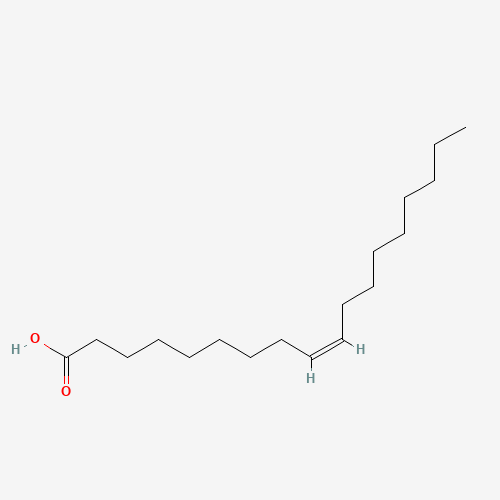
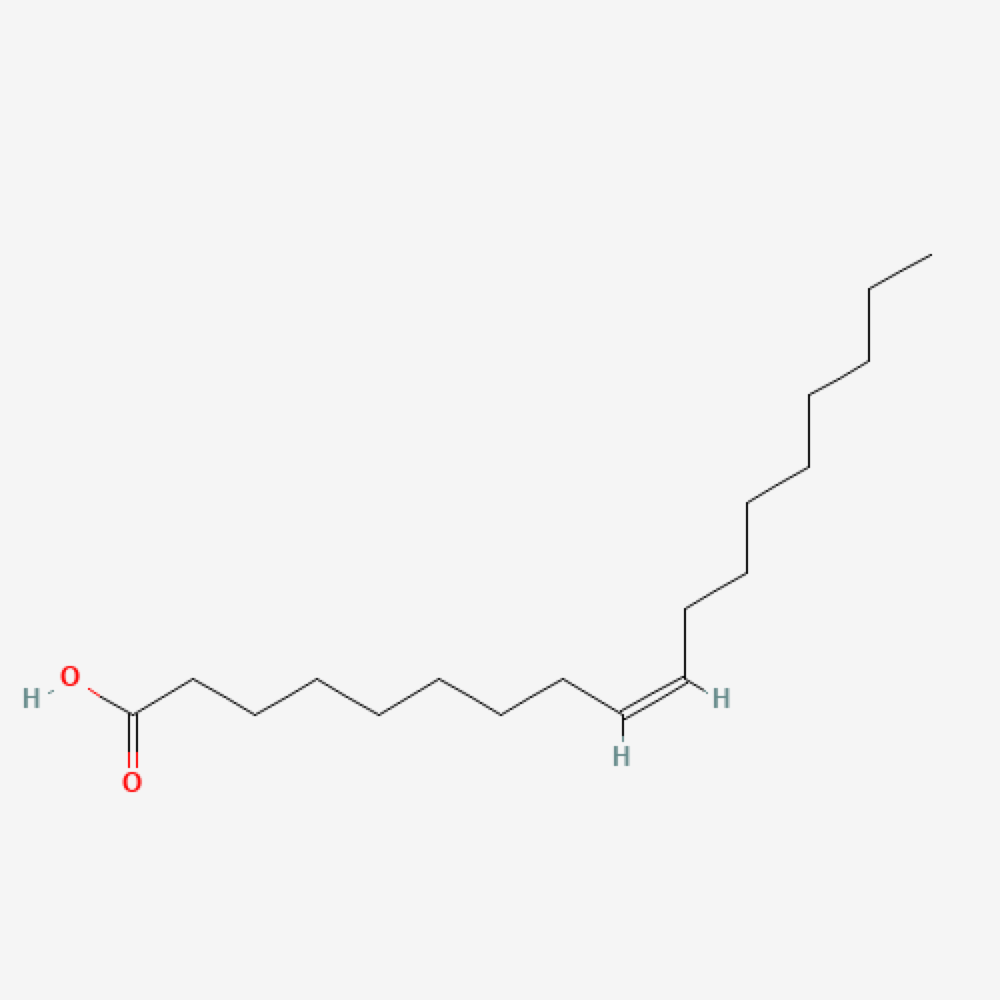
Potassium salt of oleic acid derived from olive oil, historically used in traditional soap-making and developed for modern cosmetics as a mild surfactant and emulsifier.
Skin Types
●all-skin-types
Best For
General
Pregnancy & Breastfeeding Safe
Yes
Verified Jun 2026
Data: PubChem · CosIng · EWG · CIR