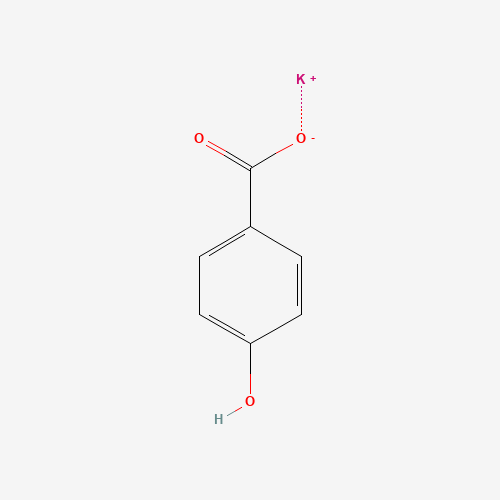

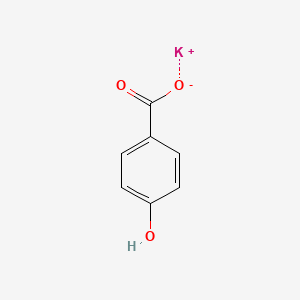
Potassium Paraben
AKA “Potassium 4-hydroxybenzoate, 16782-08-4, potassium p-hydroxybenzoate, UNII-UHZ6Y0A8VR, UHZ6Y0A8VR, EINECS 240-830-2, DTXSID20168378, MONOPOTASSIUM P-HYDROXYBENZOATE, 4-HYDROXYBENZOIC ACID POTASSIUM SALT”
Preservative
Ingredient Facts
Potassium paraben
AKA: Potassium 4-hydroxybenzoate, 16782-08-4, Potassium p-hydroxybenzoate, UNII-UHZ6Y0A8VR, UHZ6Y0A8VR, EINECS 240-830-2, DTXSID20168378, MONOPOTASSIUM P-HYDROXYBENZOATE, 4-HYDROXYBENZOIC ACID POTASSIUM SALT
Preservative · Preservative · EWG: 4
Synthetic
Preservative
Not Clean
The CIR Expert Panel concluded that the following 20 parabens are safe in cosmetics in the present practices of use and concentration described in the safety assessment when the sum of the combined concentration of parabens in any given formulation does not exceed 0.8 %...Potassium Paraben...
Formula
C7H5KO3
Mol. Weight
176.21
CAS #
16782-08-4
Form
Powder
See origin →
Functions
Preservative
Keeps your product from growing bacteria, mold, or yeast. Without these, that jar of cream becomes a petri dish in about a week.
Preserves Formula
Prevents microbial growth
Traditional Use
A synthetic preservative developed in the early 20th century as an antimicrobial agent. Created to prevent bacterial and fungal contamination in cosmetic formulations without the toxicity of earlier preservatives.
Skin Types
●all-skin-types
Best For
General
Pregnancy & Breastfeeding Safe
Yes
EWG
4
CIR
Safe as used
Pregnancy
Yes
Restricted By
CIR Safety Findings
medical-approval
all-shades-safe
Phototoxicity Concern
Concentration Guide
8.0%
0%11%
Reg. Limit
EU regulatory limit: 8.0%. 0,4% (as acid) for single ester 0,8% (as acid) for mixtures of esters Source: EU Cosmetics Regulation (EC) 1223/2009, Annex V (Preservatives), Entry 12. Dermal absorption: 0.1%. Source: CIR Safety Assessment (CIR Seq 746).
Regulatory Agencies
Verified Jun 2026
Data: PubChem · CosIng · EWG · CIR