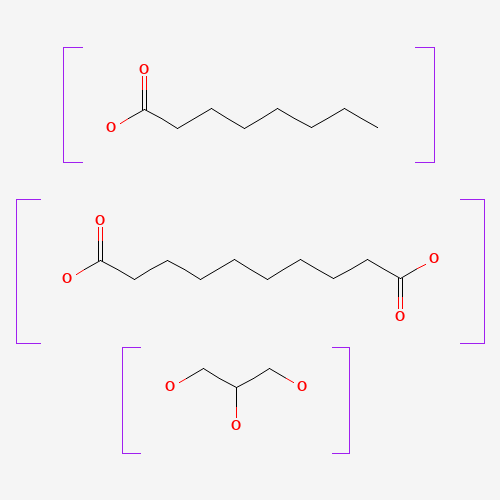
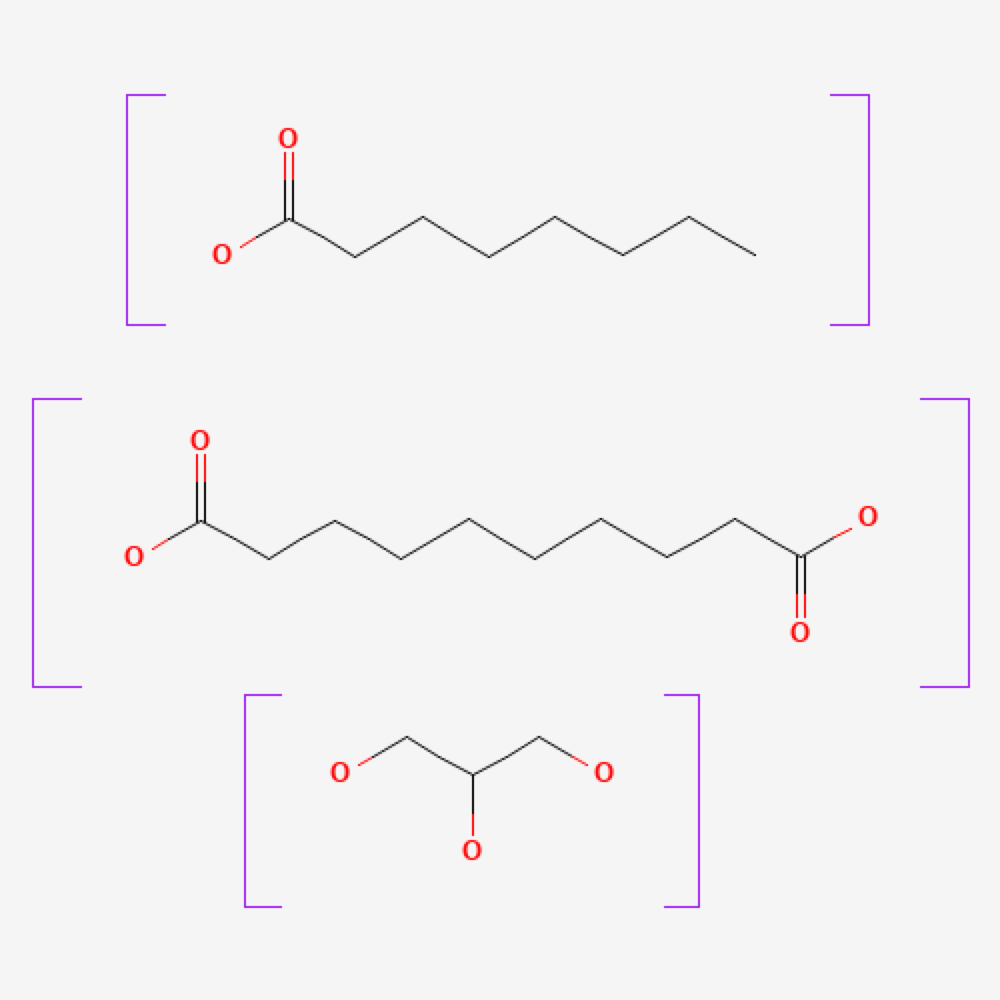
Sebacic Acid
AKA “DECANEDIOIC ACID, 111-20-6, 1, 8-Octanedicarboxylic acid, 10-Decanedioic acid, Sebacinsaure, Decanedicarboxylic acid, n-Decanedioic acid, Acide sebacique, Sebacinsaeure”
Acid
Ingredient Facts
Sebacic acid
AKA: DECANEDIOIC ACID, 111-20-6, 1, 8-Octanedicarboxylic acid, 10-Decanedioic acid, Sebacinsaure, Decanedicarboxylic acid, N-Decanedioic acid, Acide sebacique, Sebacinsaeure
Acid · Buffering · EWG: 1
Synthetic
Plant Oil
Acid
Clean
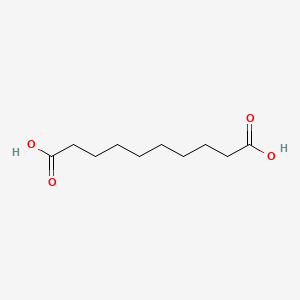
Sebacic acid is a saturated, straight-chain naturally occurring dicarboxylic acid with 10 carbon atoms. Sebacic acid is a normal urinary acid. In patients with multiple acyl-CoA-dehydrogenase deficiency (MADD) or glutaric aciduria type II (GAII) are a group of metabolic disorders due to deficiency of either electron transfer flavoprotein or electron transfer flavoprotein ubiquinone oxidoreductase, biochemical data shows an increase in urine sebacic acid excretion. Sebacic acid is a white flake or powdered crystal slightly soluble in water that has been proposed as an alternative energy substrate in total parenteral nutrition. Sebacic Acid was named from the Latin sebaceus (tallow candle) or sebum (tallow) in reference to its use in the manufacture of candles. Sebacic Acid and its derivatives such as azelaic acid have a variety of industrial uses as plasticizers, lubricants, hydraulic fluids, cosmetics, candles, etc. It is used in the synthesis of polyamide and alkyd resins. It is also
Solubility less than 1 mg/mL at 70 °F (NTP, 1992)
Formula
C10H18O4
Mol. Weight
202.25
CAS #
111-20-6
Form
Liquid
State
Sebacic acid is a white granular powder. Melting point 153 °F. Slightly soluble in water. Sublimes slowly at 750 mmHg when heated to melting point.
See origin →
Functions
Buffering
Controls excess oil
Traditional Use
A dicarboxylic acid first isolated from castor oil in the 19th century and later synthesized industrially. Developed as a replacement for natural materials in polymer and cosmetic applications in the mid-20th century.
Skin Types
●all-skin-types
Best For
General
Pregnancy & Breastfeeding Safe
Yes
Capryloyl Glycerin/Sebacic Acid Copolymer
European Commission
EU Cosmetic Ingredient Database (CosIng)
Dodecanedioic Acid
European Commission
EU Cosmetic Ingredient Database (CosIng)
Propylene Glycol/Sebacic Acid/Trimellitic Anhydride Copolymer
European Commission
EU Cosmetic Ingredient Database (CosIng)
Sebacic Acid
European Commission
EU Cosmetic Ingredient Database (CosIng)
Capryloyl Glycerin/Sebacic Acid Copolymer
Environmental Working Group (EWG)
EWG Skin Deep Cosmetics Database
Sebacic Acid
Environmental Working Group (EWG)
EWG Skin Deep Cosmetics Database
Antitumor efficacy of poly(dimer acid-dodecanedioic acid) copolymer in mice bearing Sarcoma-180 tumor.
Guo WX, Shi Z, Zeng FB, Liang K, Chen XH et al.
Journal of materials science. Materials in medicine, 2007
Verified Jun 2026
Data: PubChem · CosIng · EWG · CIR