Sodium Chloride
AKA “7647-14-5, Table salt, Common salt, Sodium chloric, NaCl, Dendritis, Purex, Iodized salt, Top flake”
Acid
Ingredient Facts
Sodium chloride
AKA: 7647-14-5, Table salt, Common salt, Sodium chloric, NaCl, Dendritis, Purex, Iodized salt, Top flake
Acid · Viscosity Controlling · EWG: 1
Synthetic
Acid
Clean
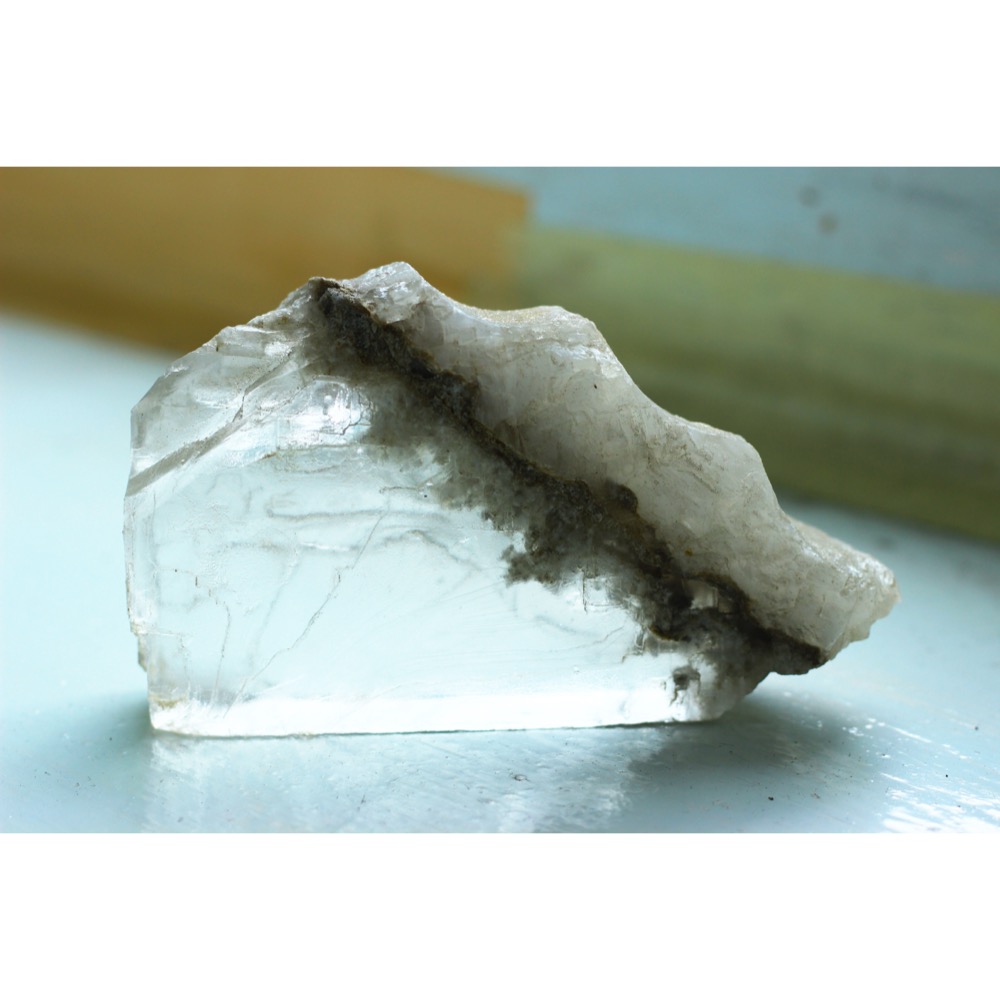
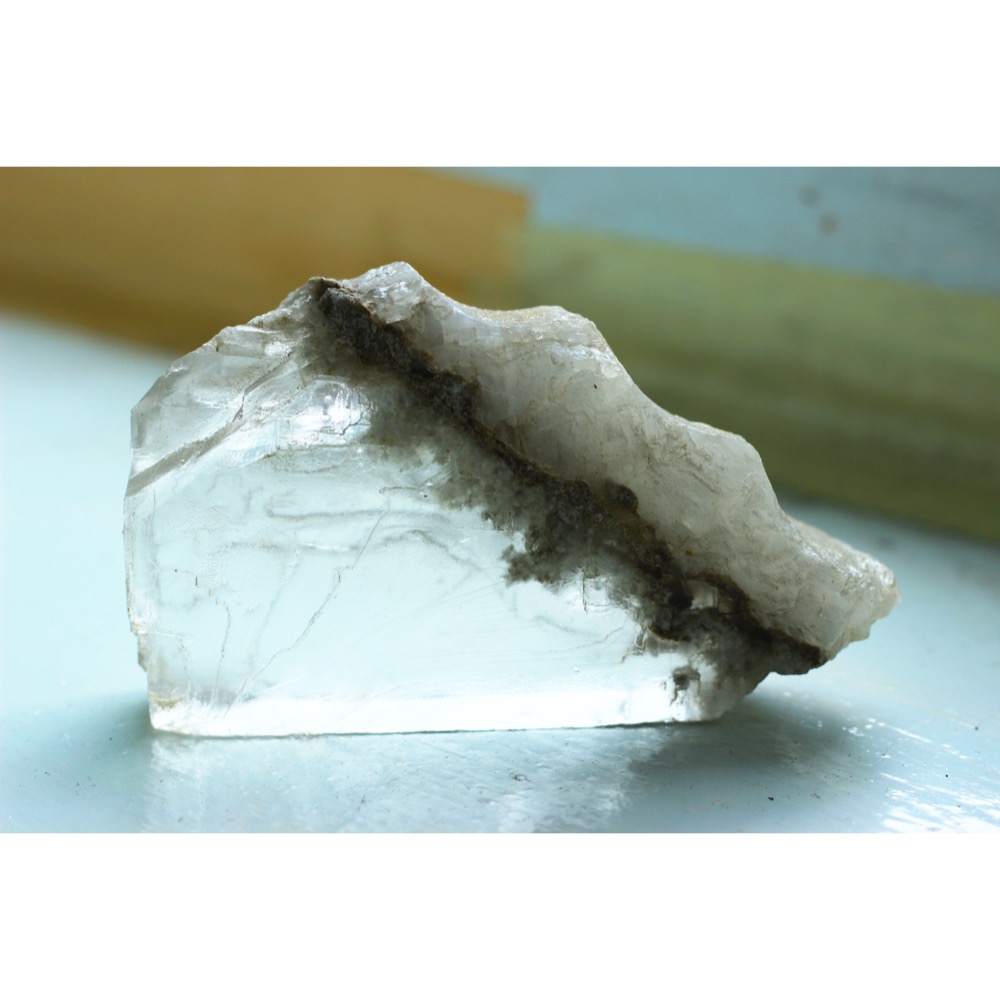
Sodium chloride or table salt is a mineral substance belonging to the larger class of compounds called ionic salts. Salt in its natural form is known as rock salt or halite. Salt is present in vast quantities in the ocean, which has about 35 grams of sodium chloride per litre, corresponding to a salinity of 3.5%. Salt is essential for animal life, and saltiness is one of the basic human tastes. The tissues of animals contain larger quantities of salt than do plant tissues. Salt is one of the oldest and most ubiquitous of food seasonings, and salting is an important method of food preservation. Salt is produced from salt mines or by the evaporation of seawater or mineral-rich spring water in shallow pools. Salt is used in many industrial processes and in the manufacture of polyvinyl chloride, plastics, paper pulp and many other consumer products. Of the global annual production of around 200,000,000 tonnes of salt, only 6% is used for human consumption. Other uses include water conditio
Solubility 36.0 g/100 g of water at 25 °C
Formula
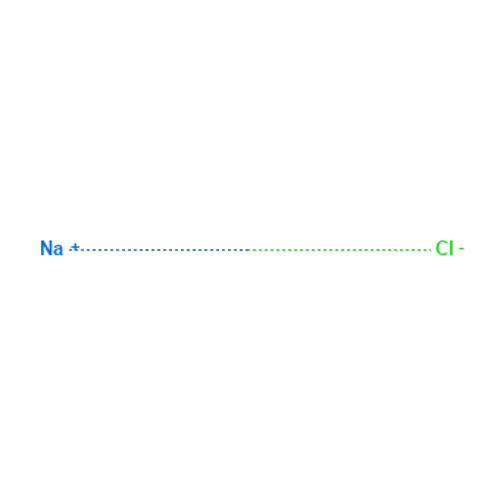
ClNa
Mol. Weight
58.44
CAS #
7647-14-5
Form
Liquid
State
Dry Powder, Other Solid; Liquid; Liquid, Other Solid; NKRA; Dry Powder, Liquid; Dry Powder, Water or Solvent Wet Solid; Other Solid; Pellets or Large Crystals, Liquid; Water or Solvent Wet Solid; Pell
See origin →
Functions
Viscosity Controlling
Bulking
Oral Care
Supports dental health
Provides scent
Adds volume
Controls product thickness
Traditional Use
This is the CAS number for sodium chloride (salt). Salt has been used for thousands of years in traditional medicine and cosmetics for skin preservation, wound healing, and as an abrasive cleansing agent in scrubs.
Skin Types
●all-skin-types
Best For
General
Glowy Super Skin Tint Foundation
Saie
Slip Tint™ Radiant All-Over Concealer
Saie
Concealer Brush Duo
Saie
Super Skin Duo
Saie
The Slip Tint™ Family
Saie
Slip Tint™ Undetectable Baked Setting Powder
Saie
body cleansing bar
Cocokind
ceramide hydration duo
Cocokind
retinol face + body duo
Cocokind
Skin Perfecting Skincare Set
Acure
Body Wash Oil
Acure
Everything Shower Set
Acure
Moisture Rich Body Set
Acure
The Skin Smoother Set
Acure
Bathroom Sink Ritual Set
Acure
Farmhouse Sink Duo
Acure
All In: The Farm Collection
Acure
holi (sun) spf 50 dewy tinted skin drops
Agent Nateur
the body duo
Agent Nateur
lactic acid cleanser duo
Agent Nateur
the vitamin c and hyaluronic brightening duo
Agent Nateur
holi (soleil) firming & plumping mineral spf 50 sunscreen
Agent Nateur
the after (glow) set: ruby
Agent Nateur
the after (glow) set: rose quartz
Agent Nateur
Glow Getters Trio
Goldfaden MD
Radiance Repair
Goldfaden MD
We're Expecting (a Glow) Set
Goldfaden MD
Radiance Boosting Starter Set
Goldfaden MD
Radiance Renewal Eye Duo
Goldfaden MD
Radiance Repair Trio
Goldfaden MD
The Skin Reset Duo
Goldfaden MD
Glow Support System
Goldfaden MD
Phaze™ Gel Cleanser
Pai Skincare
Phaze™ Gel Cleanser Mini
Pai Skincare
Sunlit Essentials Set
Indie Lee
Gentle Body Wash - Unscented
Kinship
Gentle Body Wash - Vanilla
Kinship
The Bodycare Ritual - Vanilla
Kinship
The Bodycare Ritual - Unscented
Kinship
Tulip Dew Sunscreen Serum
Bloom Effects
Tulipscreen™ Hydrating Lip Oil
Bloom Effects
Radiance Reset
Bloom Effects
Everyday Radiance Essentials
Bloom Effects
Balance + Support Duo
Marie Veronique
Hoppin’ Fresh Body Wash
Ursa Major
Hoppin’ Fresh Deodorant
Ursa Major
Hoppin’ Fresh Bar Soap
Ursa Major
Golden Hour Body Serum
Ursa Major
Free Gift: Botanic Buzz Hand Wash
Ursa Major
The Body Essentials Mini
Nécessaire
Verified Jun 2026
Data: PubChem · CosIng · EWG · CIR