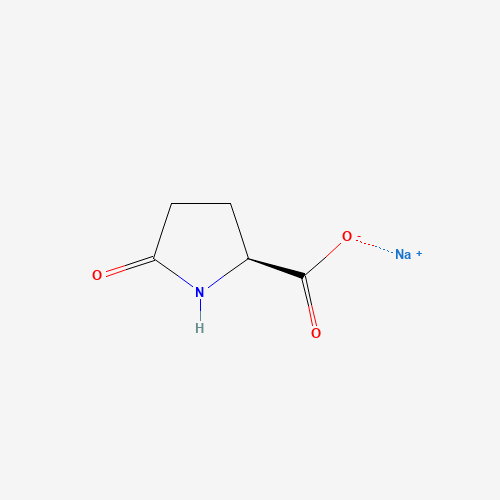
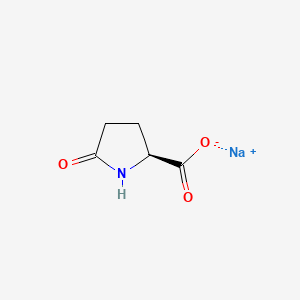
Sodium PCA
AKA “Sodium L-pyroglutamate, 28874-51-3, Sodium pyroglutamate, Sodium pidolate, L-Proline, 5-oxo-, monosodium salt, L-5-Oxoproline monosodium salt, Sodium pyrrolidone-5-carboxylate, 5-Oxo-L-proline monosodium salt, Sodium L-pyrrolidonecarboxylate, EINECS 249-277-1”
Humectant
Ingredient Facts
Sodium pca
AKA: Sodium L-pyroglutamate, 28874-51-3, Sodium pyroglutamate, Sodium pidolate, L-Proline, 5-oxo-, Monosodium salt, L-5-Oxoproline monosodium salt, Sodium pyrrolidone-5-carboxylate, 5-Oxo-L-proline monosodium salt, Sodium L-pyrrolidonecarboxylate, EINECS 249-277-1
Humectant · Humectant · EWG: 1
Synthetic
Humectant
Skin Conditioner
Hair Care
Amino Acid
Clean
Sodium 5-oxo-2-pyrrolidinecarboxylate
Effective at 25.0%
Formula
C5H6NNaO3
Mol. Weight
151.10
CAS #
28874-51-3
Form
Liquid
See origin →
Functions
Antistatic
Hair Conditioning
A catch-all term for ingredients that improve how skin looks and feels — softer, smoother, more supple. The workhorse behind most moisturizers.
Humectant
A moisture magnet. Pulls water from the air and deeper skin layers up to the surface to keep skin plump and hydrated.
Skin Conditioning
A catch-all term for ingredients that improve how skin looks and feels — softer, smoother, more supple. The workhorse behind most moisturizers.
Locks In Moisture
Traditional Use
Sodium PCA is the salt form of pyrrolidone carboxylic acid, a natural humectant found in human skin. Identified in the 1970s as a key component of the skin's natural moisture factor and incorporated into moisturizers to mimic skin's natural hydration mechanism.
Skin Types
●all-skin-types
Best For
Dryness
Pregnancy & Breastfeeding Safe
Yes
EWG
1
CIR
Reviewed by CIR
Pregnancy
Yes
CIR Safety Findings
Not a Sensitizer
all-shades-safe
Concentration Guide
5e-05%
50.0%
0%100%
Effective Range
CIR reported use: 0.00005-0.05 | 0.001 (as 50% conc)
Regulatory Agencies
travel-size Electrolyte Water Cream
Cocokind
hydration heroes set
Cocokind
calming magnesium mist
Cocokind
calm & clarify duo
Cocokind
travel-size calming magnesium mist
Cocokind
Plant Profusion Supreme Serum
Goldfaden MD
Radiance Boosting Starter Set
Goldfaden MD
Radiance Whip
Goldfaden MD
Soothing Hand Cream (65mL)
Grown Alchemist
Daily Acid Toner Set
Josh Rosebrook
Gentle Body Wash - Unscented
Kinship
Gentle Body Wash - Vanilla
Kinship
The Bodycare Ritual - Vanilla
Kinship
The Bodycare Ritual - Unscented
Kinship
Black Tulip Eye Treatment
Bloom Effects
Black Tulip Facial Treatment
Bloom Effects
Balance + Support Duo
Marie Veronique
Supernutrient Firming Facial
Marie Veronique
Pre + Probiotic Daily Mist
Marie Veronique
Gentle Retinol Night Serum
Marie Veronique
COLORFREE ZINC Broad Spectrum Sunscreen | SPF 32
Marie Veronique
Barrier Restore Serum
Marie Veronique
COLORFREE Zinc Broad Spectrum Sunscreen SPF 32
Credo Beauty
The Body Exfoliator | Physical + Chemical
Credo Beauty
The Body Wash | Multi-Oil
Credo Beauty
Dream Night Serum with Bio-Retinol
Credo Beauty
Tinted Skincare Lineup with BB Burst
Credo Beauty
BB Burst
Kosas
Verified Jun 2026
Data: PubChem · CosIng · EWG · CIR