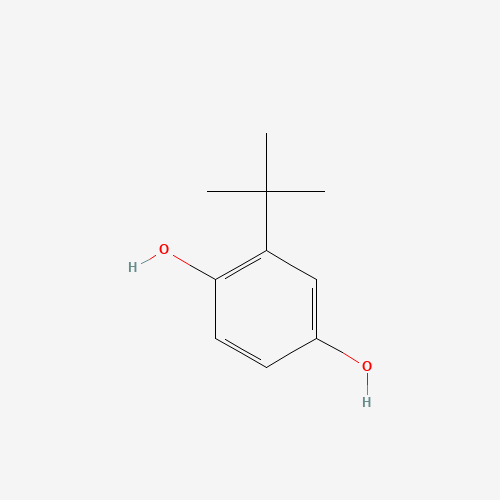
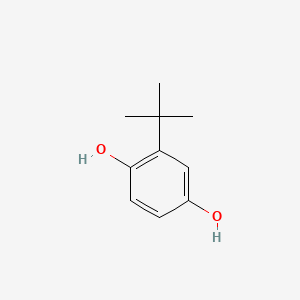
TBHQ
AKA “tert-Butylhydroquinone, 1948-33-0, 2-tert-Butylhydroquinone, T-BUTYLHYDROQUINONE, MTBHQ, 2-t-Butylhydroquinone, 2-tert-Butyl-1, 4-benzenediol, Mono-tert-butylhydroquinone, Sustane”
Antioxidant
Ingredient Facts
TBHQ
AKA: Tert-Butylhydroquinone, 1948-33-0, 2-tert-Butylhydroquinone, T-BUTYLHYDROQUINONE, MTBHQ, 2-t-Butylhydroquinone, 2-tert-Butyl-1, 4-benzenediol, Mono-tert-butylhydroquinone, Sustane
Antioxidant · Antioxidant · EWG: 4
Synthetic
Antioxidant
Fragrance
Safety Concern
Not Clean
1,4-Benzenediol, 2-(1,1-Dimethylethyl)-; 2-tert-Butyl-1,4-dihydroxybenzene; tert-Butyl hydroquinone
Solubility less than 1 mg/mL at 66 °F (NTP, 1992)
Formula
C10H14O2
Mol. Weight
166.22
CAS #
1948-33-0
State
Tert-butylhydroquinone appears as white to light tan crystalline powder or a fine beige powder. Very slight aromatic odor. (NTP, 1992)
See origin →
Functions
Antioxidant
Fights free radicals — the unstable molecules from UV, pollution, and stress that break down collagen and cause premature aging.
Perfuming
Added for scent. Can be natural or synthetic. Common irritant and allergen — one of the top reasons people react to products.
Neutralizes Free Radicals
Traditional Use
Tertiary butylhydroquinone was developed in the mid-20th century as a synthetic antioxidant preservative for fats and oils, later adopted in cosmetics to prevent rancidity and product degradation.
Skin Types
●all-skin-types
Best For
General
Pregnancy & Breastfeeding Safe
Caution
Final Report on the Safety Assessment of Di-t-Butylhydroquinone
Cosmetic Ingredient Review (CIR) Expert Panel
International Journal of Toxicology
Di-t-Butylhydroquinone
European Commission
EU Cosmetic Ingredient Database (CosIng)
TBHQ
European Commission
EU Cosmetic Ingredient Database (CosIng)
TBHQ
Health Canada
Health Canada Cosmetic Ingredient Hotlist
Verified Jun 2026
Data: PubChem · CosIng · EWG · CIR