Tin Oxide
AKA “Tin oxide (SnO2), KM7N50LOS6, DTXSID8042474, CI 77861, C.I. 77861, Stannoxyl, Putty powder, Polishing powder, Tin ash, Nanotek tin oxide”
Ingredient
Ingredient Facts
Tin oxide
AKA: Tin oxide (SnO2), KM7N50LOS6, DTXSID8042474, CI 77861, C.I. 77861, Stannoxyl, Putty powder, Polishing powder, Tin ash, Nanotek tin oxide
Ingredient · Abrasive · EWG: 4
Synthetic
Not Clean
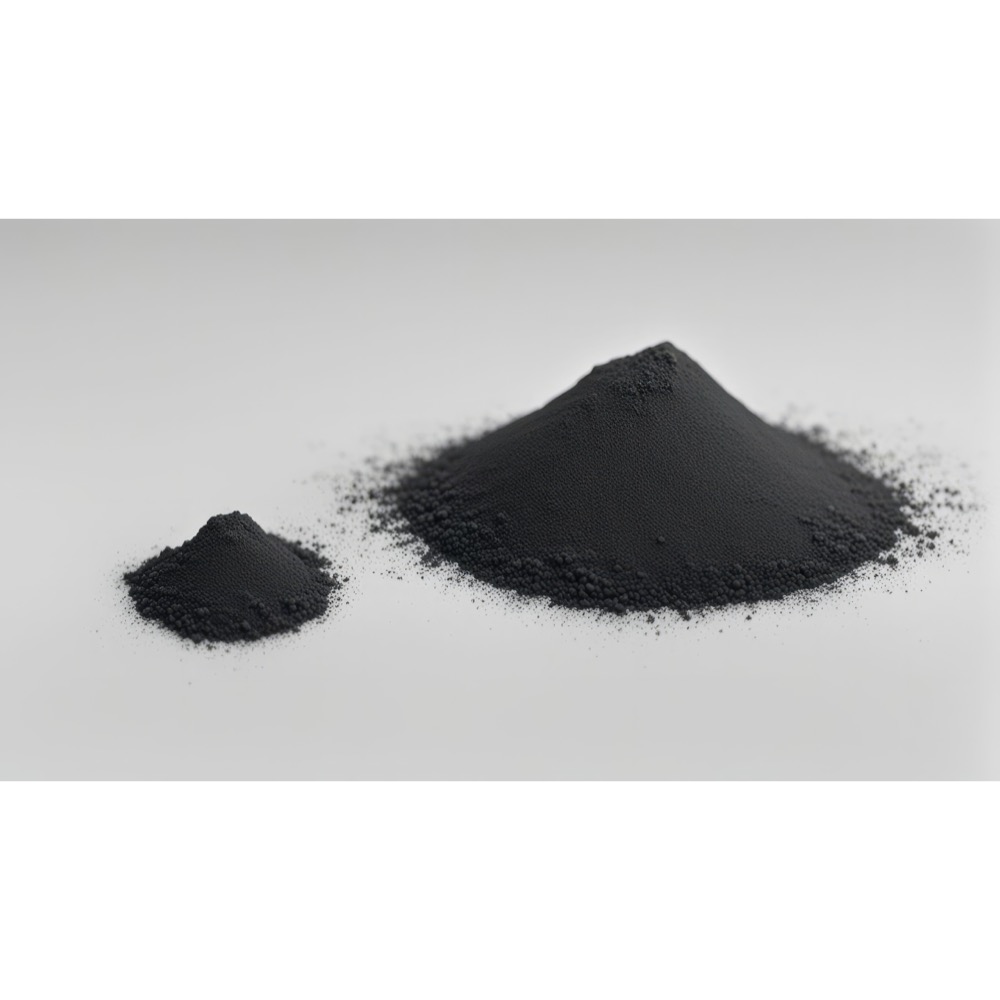
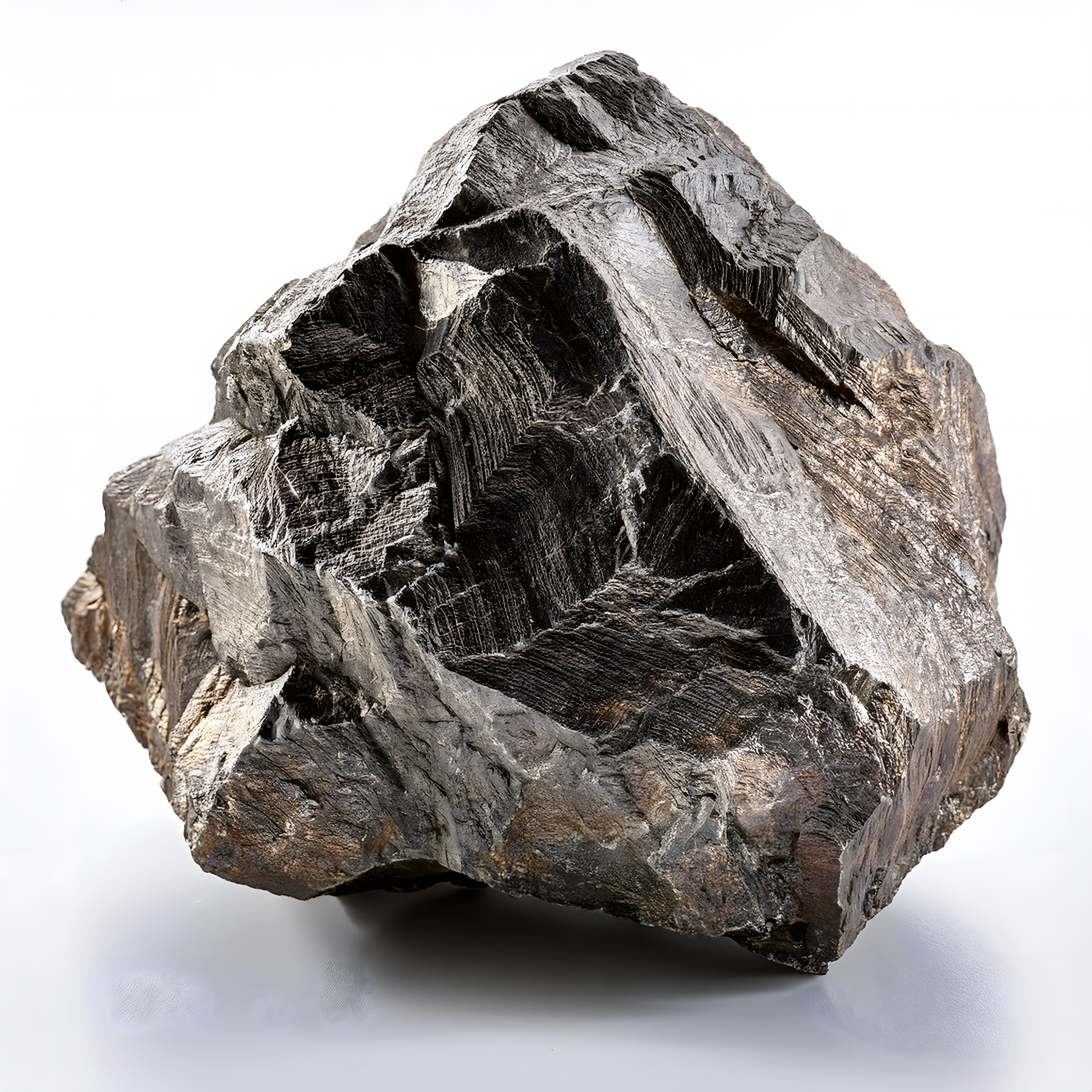
Tin(iv) oxide appears as white or off-white crystalline solid or powder. mp: 1127 °C, Sublimes: 1800-1900 °C, density: 6.95 g/cm3 Insoluble in water. Soluble in concentrated sulfuric acid, hydrochloric acid. Occurs in nature as the mineral cassiterite. Used as a catalyst, in putty, as a polishing powder for steel and glass, in ceramic glazes and colors. "Flowers of tin" refers to the material collected as the result of condensation after sublimation.
Solubility Insoluble (NIOSH, 2024)
Formula
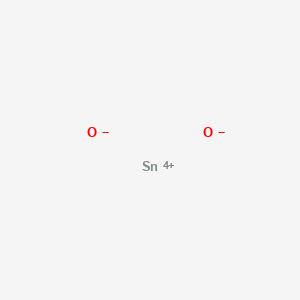
O2Sn
Mol. Weight
150.71
CAS #
18282-10-5
Form
Powder
State
Tin(iv) oxide appears as white or off-white crystalline solid or powder. mp: 1127 °C, Sublimes: 1800-1900 °C, density: 6.95 g/cm3 Insoluble in water. Soluble in concentrated sulfuric acid, hydrochlori
See origin →
Functions
Abrasive
Bulking
Opacifying
Viscosity Controlling
Physical Exfoliant
Adds Body & Volume
Adds Opacity
Controls Viscosity
Reduces Inflammation
Gently polishes surface
Adds volume
Creates creamy opacity
Controls product thickness
Traditional Use
Used historically in Chinese cosmetics as a whitening and opacifying agent. In modern cosmetics, it is employed primarily in color cosmetics for opacity and shimmer effects.
Skin Types
●all-skin-types
Best For
General
Pregnancy & Breastfeeding Safe
Yes
Line-Filling Eye Balm
Alpyn Beauty
Sun Melt
Saie
Glow Sculpt™
Saie
Complexion Boost
Saie
Toasty Fall Bundle
Saie
The Impossible Glow™ Glow Drops
Pai Skincare
The Impossible Glow™ Glow Drops Mini
Pai Skincare
Royal Tulip Petal Polish
Bloom Effects
Tulipscreen™ Hydrating Lip Oil
Bloom Effects
Glow I.V.
Kosas
Skin Activator Serum
Credo Beauty
Skin Activator Packette
Credo Beauty
Hyaluronic Highlight Balm Last Call
MOB Beauty
Hyaluronic Highlight Balm
MOB Beauty
Lit Up Highlight Stick - Pärla
Westman Atelier
Lit Up Highlight Stick - Garçonne
Westman Atelier
Liquid Super Loaded Tinted Highlight - Peau de Petal
Westman Atelier
Sun Tone Bronzing Drops - Soleil Parfait 2
Westman Atelier
Sun Tone Bronzing Drops - Soleil Parfait 3
Westman Atelier
Sun Tone Bronzing Drops - Soleil Parfait 4
Westman Atelier
Sun Tone Bronzing Drops - Soleil Parfait 1
Westman Atelier
Lit Up Highlight Stick - Petal
Westman Atelier
Super Loaded Tinted Highlight - Peau de Santé
Westman Atelier
Super Loaded Tinted Highlight - Peau de Soleil
Westman Atelier
Super Loaded Tinted Highlight - Peau de Peony
Westman Atelier
Super Loaded Tinted Highlight - Peau de Rosé
Westman Atelier
Liquid Super Loaded Tinted Highlight - Peau de Pêche
Westman Atelier
Super Loaded Tinted Highlight - Peau de Pêche
Westman Atelier
Lit Up Highlight Stick - Biscuit
Westman Atelier
Lit Up Highlight Stick - Nectar
Westman Atelier
Lit Up Highlight Stick - Brûlée
Westman Atelier
Liquid Super Loaded Tinted Highlight - Peau de Soleil
Westman Atelier
Lit Up Highlight Stick - Lit
Westman Atelier
Liquid Super Loaded Tinted Highlight - Peau de Rosé
Westman Atelier
Face Trace Contour Stick - Truffle
Westman Atelier
Face Trace Contour Stick - Ganache
Westman Atelier
Vital Skin Foundation Stick - Atelier 0
Westman Atelier
Baby Cheeks Blush Stick - Bichette
Westman Atelier
Baby Cheeks Blush Stick - Coquette
Westman Atelier
Squeaky Clean Liquid Lip Balm - Chou Chou
Westman Atelier
Mixed Media Must Haves
Gen See
Straight Flush Glow Stick
Gen See
Mixed Media Liquid Eyeshadow
Gen See
GoGo Cooling Shimmer Eyeshadow
Tower 28 Beauty
ShineOn Lip Oil Jelly
Tower 28 Beauty
ShineOn Milky Lip Oil Jelly
Tower 28 Beauty
Liquid Powder Eye Tint
ILIA Beauty
Overglaze Hydrating Lip Gloss
ILIA Beauty
Soft Focus Blurring Blush
ILIA Beauty
The Ethereal Baked Face Palette
ILIA Beauty
Verified Jun 2026
Data: PubChem · CosIng · EWG · CIR