Triethylene Glycol
AKA “112-27-6, Triglycol, 2, 2'-(Ethane-1, 2-diylbis(oxy))diethanol, 2'-Ethylenedioxydiethanol, Trigen, 2-[2-(2-Hydroxyethoxy)ethoxy]ethanol, Triethylenglykol, Triethyleneglycol, 1, 2-Bis(2-hydroxyethoxy)ethane”
Ingredient
Ingredient Facts
Triethylene glycol
AKA: 112-27-6, Triglycol, 2, 2'-(Ethane-1, 2-diylbis(oxy))diethanol, 2'-Ethylenedioxydiethanol, Trigen, 2-[2-(2-Hydroxyethoxy)ethoxy]ethanol, Triethylenglykol, Triethyleneglycol, 1, 2-Bis(2-hydroxyethoxy)ethane
Ingredient · Perfuming · EWG: 4
Synthetic
Fragrance
Not Clean
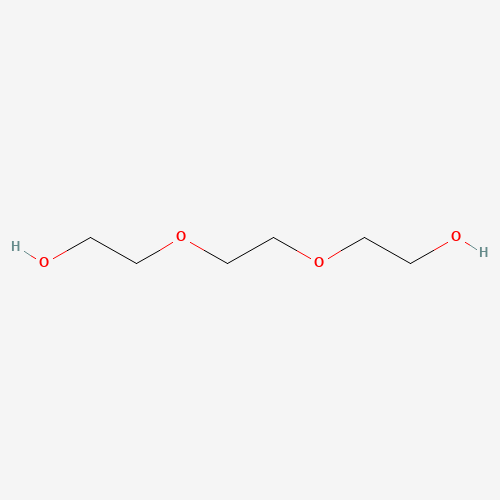
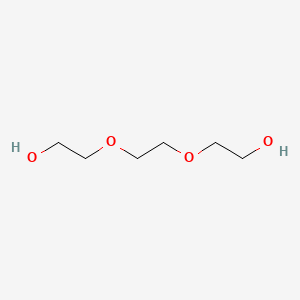
Triethylene glycol is a poly(ethylene glycol) that is octane-1,8-diol in which the carbon atoms at positions 3 and 6 have been replaced by oxygen atoms. It has a role as a plasticiser. It is a primary alcohol, a diol and a poly(ethylene glycol).
Solubility greater than or equal to 100 mg/mL at 68 °F (NTP, 1992)
Formula
C6H14O4
Mol. Weight
150.17
CAS #
112-27-6
Form
Powder
State
Triethylene glycol is a colorless liquid with a mild odor. Dense than water. (USCG, 1999)
See origin →
Functions
Perfuming
Added for scent. Can be natural or synthetic. Common irritant and allergen — one of the top reasons people react to products.
Viscosity Controlling
Antioxidant
Moisturizing
Provides scent
Controls product thickness
Traditional Use
Synthetic humectant developed in the 20th century as a modern cosmetic ingredient to attract and retain moisture in skincare products, replacing some traditional plant-based humectants.
Skin Types
●all-skin-types
Best For
Dehydration
Pregnancy & Breastfeeding Safe
Yes
Final report on the safety assessment of Triethylene Glycol and PEG-4.
International journal of toxicology, 2006
Final report on the safety assessment of Triethylene Glycol and PEG-4.
International journal of toxicology, 2006
Final report on the safety assessment of Triethylene Glycol and PEG-4.
International journal of toxicology, 2006
Final report on the safety assessment of Triethylene Glycol and PEG-4.
International journal of toxicology, 2006
Final report on the safety assessment of Triethylene Glycol and PEG-4.
International journal of toxicology, 2006
Final report on the safety assessment of Triethylene Glycol and PEG-4.
International journal of toxicology, 2006
Final Report of the Cosmetic Ingredient Review Expert Panel Amended Safety Assessment of Triethylene Glycol and Polyethylene glycols (PEGs)-4, -6, -7, -8, -9, -10, -12, -14, -16, -18, -20, -32, -33, -
Cosmetic Ingredient Review (CIR) Expert Panel
International Journal of Toxicology
Final Report on the Safety Assessment of Triethylene Glycol and PEG-4
Cosmetic Ingredient Review (CIR) Expert Panel
International Journal of Toxicology
Triethylene Glycol
European Commission
EU Cosmetic Ingredient Database (CosIng)
Triethylene Glycol Dimethacrylate
European Commission
EU Cosmetic Ingredient Database (CosIng)
Triethylene Glycol
Environmental Working Group (EWG)
EWG Skin Deep Cosmetics Database
Verified Jun 2026
Data: PubChem · CosIng · EWG · CIR