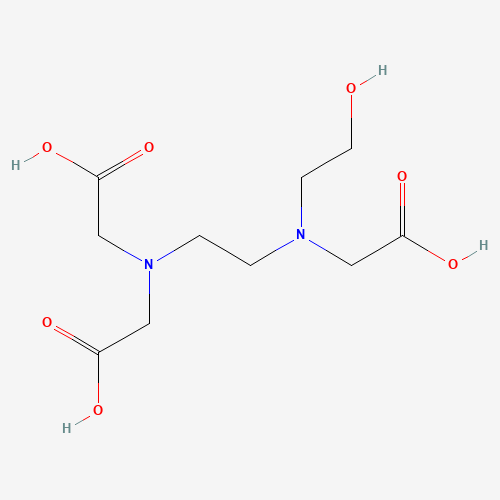
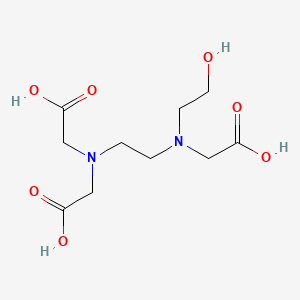
Trisodium HEDTA
AKA “N-(2-Hydroxyethyl)ethylenediaminetriacetic acid, HEDTA, Heedta, Versenol, Versenol 120, (2-Hydroxyethyl)ethylenediaminetriacetic acid, Hydroxyethylethylenediaminetriacetic acid, Caswell No. 487B, N-(Hydroxyethyl)ethylenediaminetriacetic acid, 2-Hydroxyethylenediamine triacetate”
Ingredient
Ingredient Facts
Trisodium hedta
AKA: N-(2-Hydroxyethyl)ethylenediaminetriacetic acid, Heedta, Versenol, Versenol 120, (2-Hydroxyethyl)ethylenediaminetriacetic acid, Hydroxyethylethylenediaminetriacetic acid, Caswell No. 487B, N-(Hydroxyethyl)ethylenediaminetriacetic acid, 2-Hydroxyethylenediamine triacetate
Ingredient · Chelating · EWG: 1
Synthetic
Chelating Agent
Clean
Trisodium 2-(carboxylatomethyl(2-hydroxyethyl)amino)ethyliminodi(acetate)
Solubility Insoluble in most organic solvents
Formula
C10H18N2O7
Mol. Weight
278.26
CAS #
139-89-9
Form
Powder
State
Dry Powder; Liquid
See origin →
Functions
Chelating
Grabs onto metal ions in water that would destabilize the formula. Keeps your product from going bad or changing color.
Removes Metal Ions
Reduces Inflammation
Fights Bacteria
Wound Healing
Binds metal ions
Traditional Use
Developed in the mid-20th century as a synthetic chelating agent for cosmetic formulations. Designed as an alternative to EDTA to improve biodegradability while preserving cosmetic stability and preventing metal ion oxidation.
Skin Types
●all-skin-types
Best For
General
Pregnancy & Breastfeeding Safe
Yes
Final Report on the Safety Assessment of EDTA, Calcium Disodium EDTA, Diammonium EDTA, Dipotassium EDTA, Disodium EDTA, HEDTA, TEA-EDTA, Tetrasodium EDTA, Tripotassium EDTA, Trisodium EDTA, and Trisod
Cosmetic Ingredient Review (CIR) Expert Panel
International Journal of Toxicology
HEDTA
European Commission
EU Cosmetic Ingredient Database (CosIng)
Trisodium HEDTA
European Commission
EU Cosmetic Ingredient Database (CosIng)
Trisodium HEDTA
Environmental Working Group (EWG)
EWG Skin Deep Cosmetics Database
Verified Jun 2026
Data: PubChem · CosIng · EWG · CIR