Vanillin
AKA “4-Hydroxy-3-methoxybenzaldehyde, 121-33-5, Vanillic aldehyde, Vanillaldehyde, p-Vanillin, Vanilline, Lioxin, 3-Methoxy-4-hydroxybenzaldehyde, 4-Hydroxy-3-methoxy-benzaldehyde”
Synthetic
Ingredient Facts
Vanillin
AKA: 4-Hydroxy-3-methoxybenzaldehyde, 121-33-5, Vanillic aldehyde, Vanillaldehyde, P-Vanillin, Vanilline, Lioxin, 3-Methoxy-4-hydroxybenzaldehyde, 4-Hydroxy-3-methoxy-benzaldehyde
Synthetic · Fragrance · EWG: 3
Synthetic
Fragrance
Synthetic
Not Clean
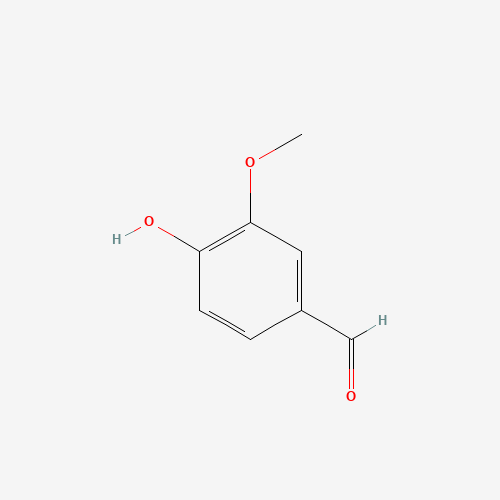
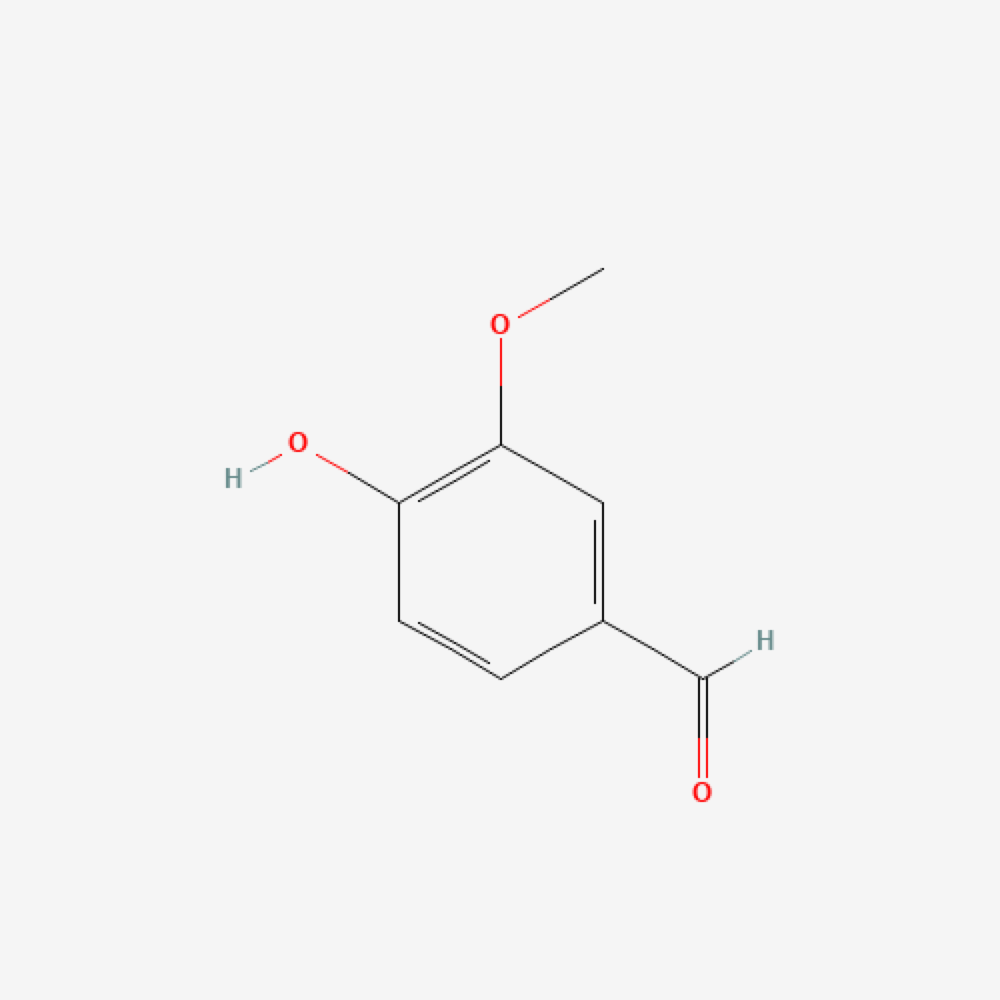
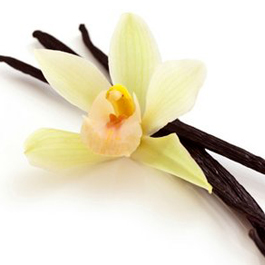
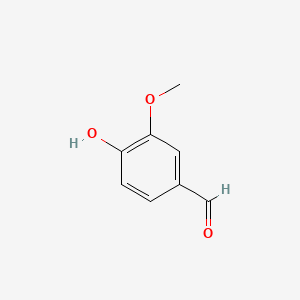
Vanillin is the primary component of the extract of the vanilla bean. Synthetic vanillin, instead of natural vanilla extract, is sometimes used as a flavouring agent in foods, beverages, and pharmaceuticals. It is used by the food industry as well as ethylvanillin.Artificial vanilla flavoring is a solution of pure vanillin, usually of synthetic origin. Because of the scarcity and expense of natural vanilla extract, there has long been interest in the synthetic preparation of its predominant component. The first commercial synthesis of vanillin began with the more readily available natural compound eugenol. Today, artificial vanillin is made from either guaiacol or from lignin, a constituent of wood which is a byproduct of the paper industry. (Wiki).
Solubility Slightly soluble (NTP, 1992)
Formula
C8H8O3
Mol. Weight
152.15
CAS #
121-33-5
Form
Powder
State
Vanillin appears as white or very slightly yellow needles.
See origin →
Functions
Fragrance
Added for scent. Can be natural or synthetic. Common irritant and allergen — one of the top reasons people react to products.
Traditional Use
This compound is vanillin, derived from vanilla orchids (Vanilla planifolia), which has been used for centuries in traditional medicine and perfumery. Modern synthesis was developed in 1874 to replicate the natural compound from vanilla beans.
Skin Types
●all-skin-types
Best For
General
flavored ceramide lip blur balm
Cocokind
Refreshing Water Cream
COOLA
Refreshing Water Mist
COOLA
Zinc Oxide Sunscreen Lotion - Tropical Coconut
COOLA
Clear Sunscreen Spray - Tropical Coconut
COOLA
3 Piece Classic Suncare Travel Set
COOLA
Suncare Travel Essentials Set
COOLA
Salt Body Scrub
Acure
Sugar Body Scrub
Acure
Moisture Rich Body Set
Acure
Salt & Sugar Scrub Set
Acure
The Skin Smoother Set
Acure
Lip Remedy Mask
Indie Lee
Sunlit Essentials Set
Indie Lee
Clean & Comfort Duo
Indie Lee
Soft Touch Duo
Indie Lee
Soothing Hand Cream (65mL)
Grown Alchemist
Hydra-Restore Lip Balm (12mL)
Grown Alchemist
The Body Essentials Mini
Nécessaire
The New Tendency Duo
Nécessaire
The New Tendency Complete Set
Nécessaire
The Body Essentials
Nécessaire
Wet Stick
Kosas
The Body Essentials
Credo Beauty
The Body Lotion 70 ml | Multi-Peptide | Santal
Nécessaire
The Body Lotion 70 ml | Multi-Peptide | Olibanum
Nécessaire
The Body Wash 100 ml | Multi-Mineral | Santal
Nécessaire
Frost Lipstick
MOB Beauty
Hydrating Shine Lip Balm
MOB Beauty
Balmy Tint Hydrating Lip Balm
ILIA Beauty
Color Block Lipstick
ILIA Beauty
Color Haze
ILIA Beauty
Plump + Juicy Lip Booster
Kosas
Weightless Lip Color
Kosas
Wet Lip Oil Gloss
Kosas
Verified Jun 2026
Data: PubChem · CosIng · EWG · CIR