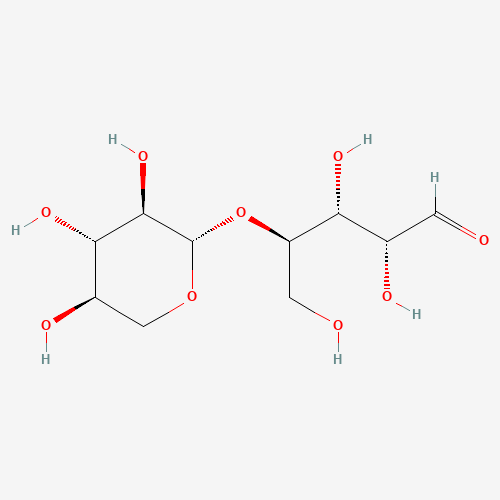
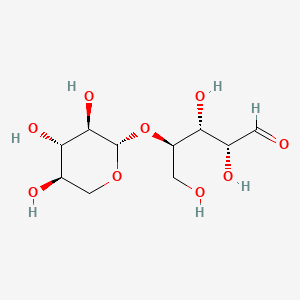
Xylobiose
AKA “D-Xylose, 4-O-beta-D-xylopyranosyl-, ID02R0EG7P, DTXSID10905097, RefChem:934354, GlyTouCan:G41543CB, beta-D-xylose of xylobiose, DTXCID201334200, G41543CB, 894-821-9, (2S, 3R, 4S, 5R)-2-((3R, 4R, 5R)-4, 5, 6-trihydroxyoxan-3-yl)oxyoxane-3, 4, 5-triol
Humectant
Ingredient Facts
Xylobiose
AKA: D-Xylose, 4-O-beta-D-xylopyranosyl-, ID02R0EG7P, DTXSID10905097, RefChem:934354, GlyTouCan:G41543CB, Beta-D-xylose of xylobiose, DTXCID201334200, G41543CB, 894-821-9, (2S, 3R, 4S, 5R)-2-((3R, 4R, 5R)-4, 5, 6-trihydroxyoxan-3-yl)oxyoxane-3, 4, 5-triol
Humectant · Humectant · EWG: 4
Synthetic
Humectant
Skin Conditioner
Not Clean
D-Xylose, 4-O-beta-D-xylopyranosyl-
Effective at 32.5%
Formula
C10H18O9
Mol. Weight
282.24
CAS #
6860-47-5
Form
Powder
See origin →
Functions
Humectant
A moisture magnet. Pulls water from the air and deeper skin layers up to the surface to keep skin plump and hydrated.
Skin Conditioning
A catch-all term for ingredients that improve how skin looks and feels — softer, smoother, more supple. The workhorse behind most moisturizers.
Locks In Moisture
Traditional Use
Modern ingredient derived from xylitol, developed through fermentation or chemical synthesis for cosmetic use. Created as a humectant and skin-conditioning agent with no traditional historical use.
Skin Types
all-skin-types
Best For
Dehydration
Pregnancy & Breastfeeding Safe
Yes
EWG
4
CIR
Safe as used
Pregnancy
Yes
CIR Safety Findings
Not a Sensitizer
medical-approval
all-shades-safe
Concentration Guide
0.0001%
65.0%
0%91%
Effective Range
CIR reported use: 0.001-65 | 0.0001-2 | 0.0075-0.15
Regulatory Status
USApermitted
EUrestricted
JAPANrestricted
CANADArestricted
Verified Jun 2026
Data: PubChem · CosIng · EWG · CIR