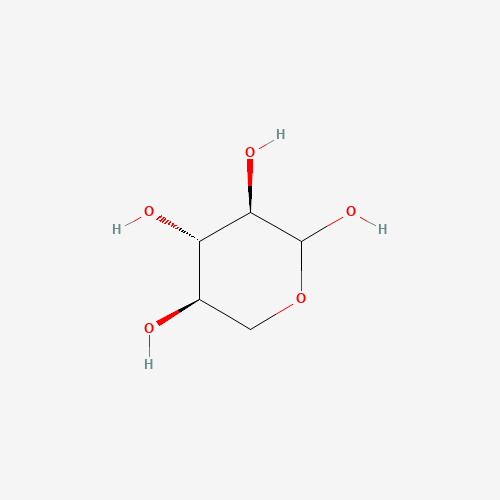
Xylose
AKA “D-xylopyranose, XYLOPYRANOSE, xylopyranoside, Xylomed, d-xylopyranoside, D Xylose, Xylo-Pfan, CHEBI:53455, DTXSID0023745, Xylose, pure”
Humectant
Ingredient Facts
Xylose
AKA: D-xylopyranose, XYLOPYRANOSE, Xylopyranoside, Xylomed, D-xylopyranoside, D Xylose, Xylo-Pfan, CHEBI:53455, DTXSID0023745, Pure
Humectant · Humectant · EWG: 4
Synthetic
Humectant
Skin Conditioner
Not Clean
Xylose or wood sugar is an aldopentose - a monosaccharide containing five carbon atoms and an aldehyde functional group. It has chemical formula C5H10O5 and is 40% as sweet as sucrose. Xylose is found in the embryos of most edible plants. The polysaccharide xylan, which is closely associated with cellulose, consists practically entirely of d-xylose. Corncobs, cottonseed hulls, pecan shells, and straw contain considerable amounts of this sugar. Xylose is also found in mucopolysaccharides of connective tissue and sometimes in the urine. Xylose is the first sugar added to serine or threonine residues during proteoglycan type O-glycosylation. Therefore xylose is involved in the biosythetic pathways of most anionic polysaccharides such as heparan sulphate and chondroitin sulphate. In medicine, xylose is used to test for malabsorption by administering a xylose solution to the patient after fasting. If xylose is detected in the blood and/or urine within the next few hours, it has been absorbe
Effective at 0.55%
Solubility 1 g dissolves in 0.8 ml water; sol in pyridine & hot alc
Formula
C5H10O5
Mol. Weight
150.13
CAS #
58-86-6
Form
Powder
State
Solid; [Merck Index] White crystalline powder; Hygroscopic; [Alfa Aesar MSDS]
See origin →
Functions
Humectant
A moisture magnet. Pulls water from the air and deeper skin layers up to the surface to keep skin plump and hydrated.
Skin Conditioning
A catch-all term for ingredients that improve how skin looks and feels — softer, smoother, more supple. The workhorse behind most moisturizers.
Locks In Moisture
Traditional Use
A naturally occurring pentose sugar identified in the late 19th century. Adopted in cosmetics in recent decades as a humectant and skin-conditioning ingredient with no traditional historical skincare use.
Skin Types
●all-skin-types
Best For
Dehydration
Pregnancy & Breastfeeding Safe
Yes
Skin Permeation and Oxidative Protection Effect of Soybean Isoflavones from Topical Nanoemulsions-a Comparative Study of Extracts and Pure Compounds.
Back PI, Furtado LR, Nemitz MC, Balestrin LA, Fachel FNS et al.
AAPS PharmSciTech, 2018
Echinacea Purpurea (echinacea) flower/leaf/stem Extract
European Commission
EU Cosmetic Ingredient Database (CosIng)
Echinacea Purpurea Extract
European Commission
EU Cosmetic Ingredient Database (CosIng)
Porphyridium Purpureum Extract
European Commission
EU Cosmetic Ingredient Database (CosIng)
Xylose
European Commission
EU Cosmetic Ingredient Database (CosIng)
Claviceps purpurea Tul., its alkaloids and galenical preparations
Health Canada
Health Canada Cosmetic Ingredient Hotlist
Digitalis purpurea L., all heterosides of
Health Canada
Health Canada Cosmetic Ingredient Hotlist
Sulfated Exopolysaccharides from Porphyridium purpureum: A Review of Extraction, Structural Characterization, and Chemical Properties for Advanced App
Maulina D, Mun'im A, Bayu A, Setiawan H, Mohd Hashim N
F1000Research, 2025
Verified Jun 2026
Data: PubChem · CosIng · EWG · CIR