Zinc Chloride
AKA “Dichlorozinc, Zinkchloride, Zinc(II) chloride, Zintrace, Zinc chloride fume, Zinc chloride (ZnCl2), Zinkchlorid, Zine dichloride, Chlorure de zinc, Zinc (chlorure de)”
Ingredient
Ingredient Facts
Zinc chloride
AKA: Dichlorozinc, Zinkchloride, Zinc(II) chloride, Zintrace, Zinc chloride fume, Zinc chloride (ZnCl2), Zinkchlorid, Zine dichloride, Chlorure de zinc, Zinc (chlorure de)
Ingredient · Soothing · EWG: 5
Synthetic
Soothing
Not Clean
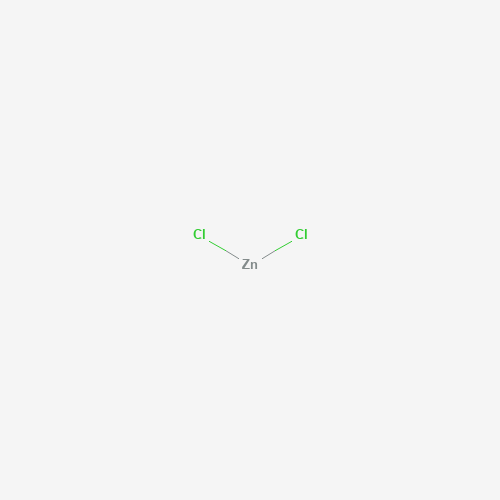
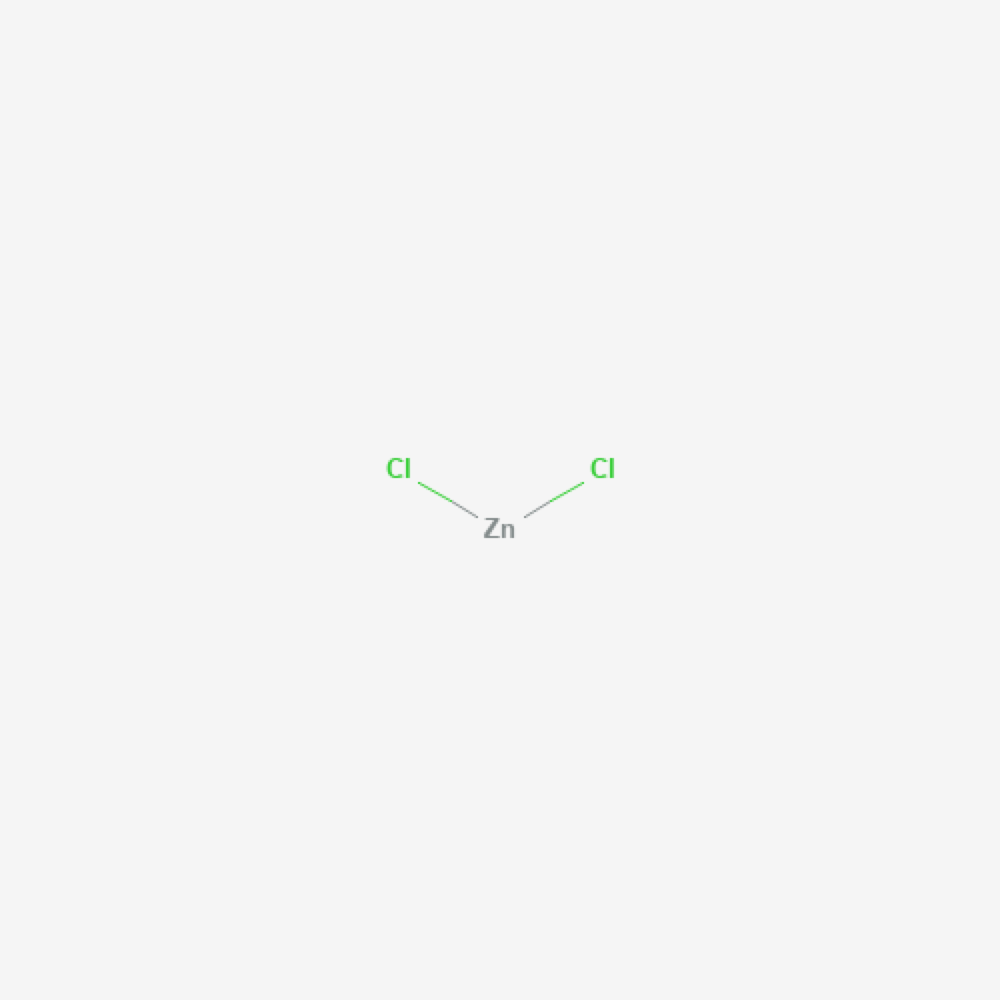
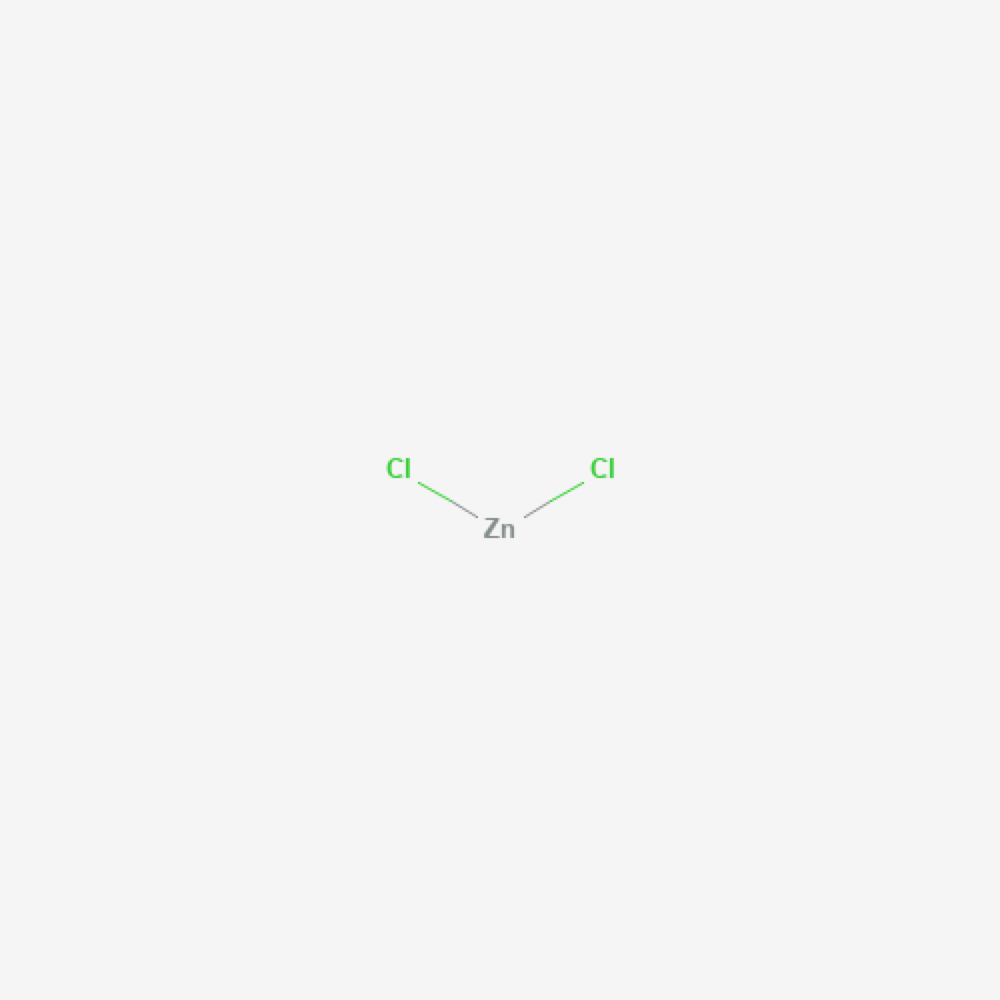
Zinc chloride is a nutrient supplement A number of salts containing the tetrachlorozincate anion, ZnCl2 4, are known. Caulton's reagent, V2Cl3(thf)6Zn2Cl6 is an example of a salt containing Zn2Cl2 6. The compound Cs3ZnCl5 contains tetrahedral ZnCl2 4 and Cl anions. No compounds containing the ZnCl4 6 ion have been characterized. Four crystalline forms, (polymorphs) , of ZnCl2 are known, and in each case the Zn2+ ions are trigonal planar coordinated to four chloride ions. The pure anhydrous orthorhombic form rapidly changes to one of the other forms on exposure to the atmosphere and a possible explanation is that the presence of OH facilitates the rearrangement. Rapid cooling of molten ZnCl2 gives a glass, that is, a rigid amorphous solid and this ability has been related to the structure in the melt.<br /> Zinc chloride belongs to the family of Transition Metal Chlorides. These are inorganic compounds in which the largest halogen atom is Chlorine, and the heaviest metal atom is a trans
Solubility 435 % at 70 °F (NIOSH, 2024)
Formula
Cl2Zn
Mol. Weight
136.30
CAS #
7646-85-7
Form
Powder
State
Zinc chloride is a white crystalline solid. It is soluble in water. It is corrosive to metals and therefore irritating to the skin, eyes and mucous membranes. It is used for preserving wood, in solder
See origin →
Functions
Oral Care
Soothing
Calms redness, irritation, and inflammation. Your skin's chill pill — great for sensitive, reactive, or post-procedure skin.
Soothes Skin
Traditional Use
Zinc salts have been used in traditional medicine for centuries to treat wounds and skin conditions. Zinc chloride specifically was developed in the 19th century and adopted in cosmetics as an astringent and antimicrobial agent in the 20th century.
Skin Types
●all-skin-types
Best For
Oiliness
Pregnancy & Breastfeeding Safe
Caution
EWG
5
CIR
Safe as used
Pregnancy
Caution
CIR Safety Findings
Not a Sensitizer
ewg-5
medical-approval
all-shades-safe
Concentration Guide
1%
0%1%
Reg. Limit
EU regulatory limit: 1%. Source: EU Cosmetics Regulation (EC) 1223/2009, Annex III (Restricted Substances), Entry 24.
Regulatory Agencies
Zinc Chloride
European Commission
EU Cosmetic Ingredient Database (CosIng)
Zinc Chloride
Environmental Working Group (EWG)
EWG Skin Deep Cosmetics Database
Impact of Dietary Zinc Chloride Hydroxide and Zinc Methionine on the Faecal Microbiota of Healthy Adult Horses and Ponies.
Paßlack N, van Bömmel-Wegmann S, Vahjen W, Zentek J
Journal of equine veterinary science, 2022
Verified Jun 2026
Data: PubChem · CosIng · EWG · CIR