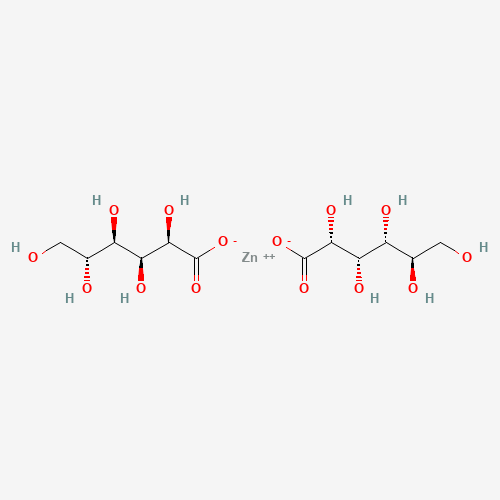
Zinc Gluconate
AKA “4468-02-4, Zincum gluconicum, Zinc D-gluconate (1:2), Bis(D-gluconato-O1, O2) zinc, Zinc gluconate (USP), U6WSN5SQ1Z, DTXSID20894125, Zinkgluconaat, Rubozine”
Skin Conditioning
Ingredient Facts
Zinc gluconate
AKA: 4468-02-4, Zincum gluconicum, Zinc D-gluconate (1:2), Bis(D-gluconato-O1, O2) zinc, Zinc gluconate (USP), U6WSN5SQ1Z, DTXSID20894125, Zinkgluconaat, Rubozine
Skin Conditioning · Deodorant · EWG: 5
Synthetic
Skin Conditioner
Not Clean
Zinc gluconate is a zinc salt of gluconic acid comprised of two gluconic acid molecules for each zinc cation (2+). Zinc gluconate is a generally recognized as safe (GRAS) substance by FDA. It is available as a trace mineral supplement and over the counter as a lozenge form for a reduced duration of common colds and with decreased symptom severity. Although it has been nasally administered for treating the common cold, this route of administration has been associated with some cases of anosmia,,,. Studies show that zinc may be better absorbed in humans in the gluconate form,, however, results from other studies may vary. Interestingly, zinc supplementation has become a critical intervention for treating diarrheal episodes in children. Studies suggest that administration of zinc along with new low osmolarity oral rehydration solutions/salts (oral rehydration solution), may reduce both the duration and severity of diarrheal episodes for up to 12 weeks. More information about Zinc (in
Solubility moderately soluble
Formula
C12H22O14Zn
Mol. Weight
455.70
CAS #
4468-02-4
Form
Powder
State
Solid; [HSDB] White granular solid; [MSDSonline]
See origin →
Functions
Deodorant
Skin Conditioning
A catch-all term for ingredients that improve how skin looks and feels — softer, smoother, more supple. The workhorse behind most moisturizers.
Locks in moisture
Traditional Use
A modern zinc salt developed in the 20th century as a bioavailable form of zinc for nutritional supplementation and skincare. Used in contemporary cosmetics to support skin barrier function and wound healing.
Skin Types
●all-skin-types
Best For
Acne
Pregnancy & Breastfeeding Safe
Yes
EWG
5
CIR
Safe as used
Pregnancy
Yes
CIR Safety Findings
Not a Sensitizer
medical-approval
all-shades-safe
Concentration Guide
1%
0%1%
Reg. Limit
EU regulatory limit: 1%. Source: EU Cosmetics Regulation (EC) 1223/2009, Annex III (Restricted Substances), Entry 24.
Regulatory Agencies
Verified Jun 2026
Data: PubChem · CosIng · EWG · CIR